THE UNIVERSITY OF SASKATCHEWAN’S MAIN CAMPUS IS SITUATED ON TREATY 6 TERRITORY AND THE HOMELAND OF THE MÉTIS.

By Bryn Becker March 17, 2011
The cognitive benefits of closing a laptop or pocketing a cell phone in a classroom should come as no surprise to anyone who has studied entry-level psychology. Reducing the number of distracting external stimuli increases one’s ability to focus on the specific task at hand, like actively participating in class discussions or absorbing information.
By The Sheaf March 11, 2011
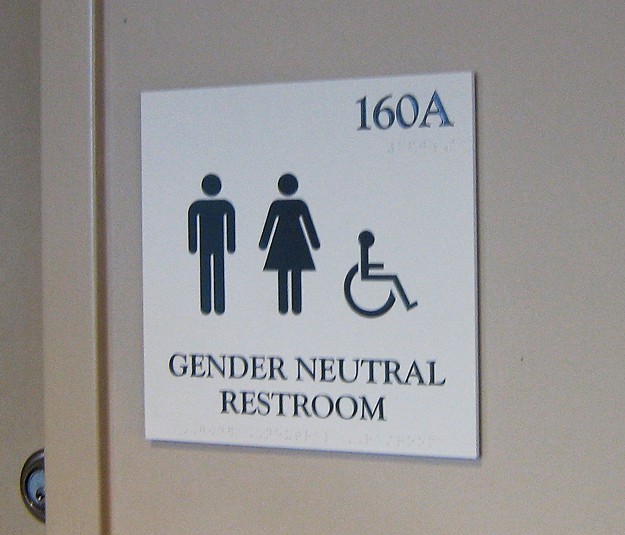
This past February, the House of Commons passed C-389, a private member’s bill introduced by Bill Siksay, the MP for Burnaby-Douglas, B.C., that proposed the addition of the terms “gender identity” and “gender expression” to the sections of the Canadian Human Rights Act and Criminal Code, which outline prohibited grounds of discrimination and what constitutes a hate crime.
By The Sheaf March 10, 2011
A great moustache is one which can encompass all the biggest moments in one’s life, in one way or another. My dad started growing his right after high school. By the time he started university, it had gotten so thick that it helped land him a part in the school play.
By Bryn Becker March 10, 2011
In late 2003 Anonymous emerged, still dripping, from the primordial soup of the Internet. Since then, they have taken on various people and made headlines along the way.
By Tomas Borsa March 9, 2011
Images of disability, like those on primetime TLC and A&E, perpetuate negative stereotypes and pander to the misinformed belief of non-disabled audiences that a disabled person is dissatisfied with his/her quality of life, is seeking pity or requires assistance.
By Greg Reese March 8, 2011
Michael Ignatieff is back — but for how long? And where the hell was he all this time?
By Ashleigh Mattern March 8, 2011
I have patellofemoral pain syndrome in my knees, tendinitis in my shoulders, my hair is turning grey, I’ve developed rosacea, and now, I have a bunionette on my foot. Gross.
By The Sheaf March 7, 2011
Until the uprising in Tunisia, we thought that political change would be led either by Islamist forces or by a coup by a group of military officers ”” not by disorganized, youth-led masses.