THE UNIVERSITY OF SASKATCHEWAN’S MAIN CAMPUS IS SITUATED ON TREATY 6 TERRITORY AND THE HOMELAND OF THE MÉTIS.
THE UNIVERSITY OF SASKATCHEWAN’S MAIN CAMPUS IS SITUATED ON TREATY 6 TERRITORY AND THE HOMELAND OF THE MÉTIS.
  • By November 2, 2011

    With less than two weeks to go before the provincial election, the University of Saskatchewan Students’ Union released a document outlining its demands of the provincial political parties.

    The timing was unusual for a document of its type, which groups usually use to extract promises from campaigning politicians desperate to curry favour with the electorate. USSU President Scott Hitchings acknowledged as much, saying the external affairs board he chairs got off to a late start this year.

  • New cell research at University of Alberta ‘final piece in puzzle,’ could lead to new disease treatment

    By October 30, 2011

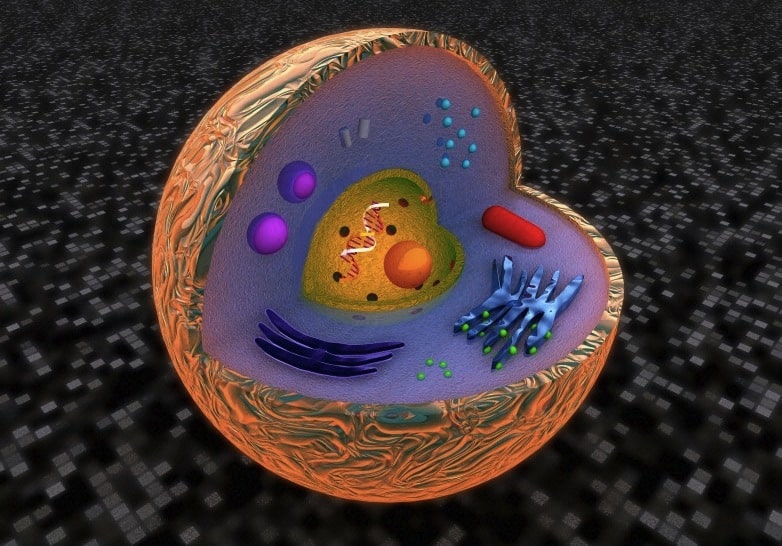
    Groundbreaking new research from the University of Alberta has led to the discovery of a new part of the cells that make up complex life.

    Four years ago, work began on a project centered on “harmless soil amoeba,” when scientists came across a protein that he had seen before in human cells. The protein is an adaptin that brings things into the cell or expels things. It is the fifth of its kind.

  • City punts on parking: Sunday parking fees deferred

    By October 26, 2011

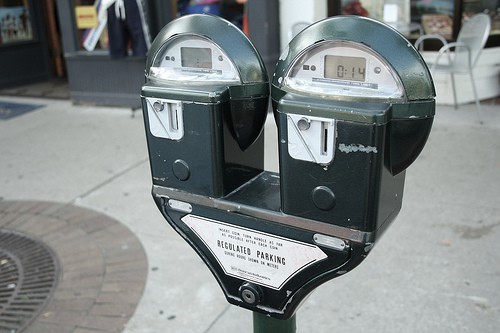
    Saskatoon City Councillors discussed and ultimately deferred a motion on Oct. 24 to implement paid metered parking on Sundays in the downtown, Broadway and Riversdale neighbourhoods.

    There are no large metropolitan centres in Canada that currently charge for parking on Sundays, though city councillor Darren Hill says there are other municipalities that are already doing this.

  • Bottled water gets the boot: Calgary college joins ranks of schools no longer selling water for profit

    By October 21, 2011

    On Oct. 6, Calgary’s St. Mary’s University College joined schools like the University of Winnipeg, Queen’s and the University of Ottawa when it banned the sale of bottled water on its campus. The Council of Canadians Acting for Social Justice only lists six schools in Canada that have made this move, though they did not have St. Mary’s on their list.

  • Breaking down the black box: Engineers Without Borders advocates for transparent aid practices

    By October 19, 2011

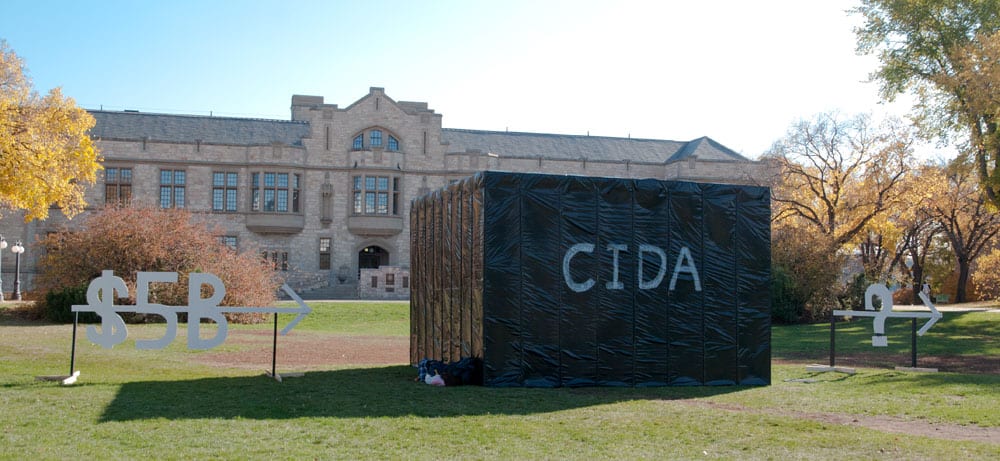
    Students walking through the Bowl on Oct. 17 may have seen a large black box with the letters “CIDA” scrawled on it. This mysterious display was part of Engineers Without Borders’ attempt to raise awareness about the need for international aid transparency.

    The Canadian International Development Agency spends $5 billion annually on development and poverty reduction around the world. After it is allocated, it becomes extremely difficult to follow up on how effective that aid was.

  • No name, no shame

    By October 16, 2011

    In the wake of a scathing editorial in one of the world’s leading science journals, Canadian handling of research misconduct has been called into question.

    The journal Nature criticized the Natural Sciences and Energy Research Council of Canada for refusing to publicly identify researchers found guilty of misconduct in its Sept. 28 issue. James Turk of the Canadian Association of University Teachers says his organization agrees with Nature and advocates a change.

  • Saskatchewan’s child welfare system hurts more than it helps

    By October 13, 2011

    Research by a Native Studies professor and medical anthropologist at the University of Saskatchewan shows the province’s child welfare system is in dire shape.

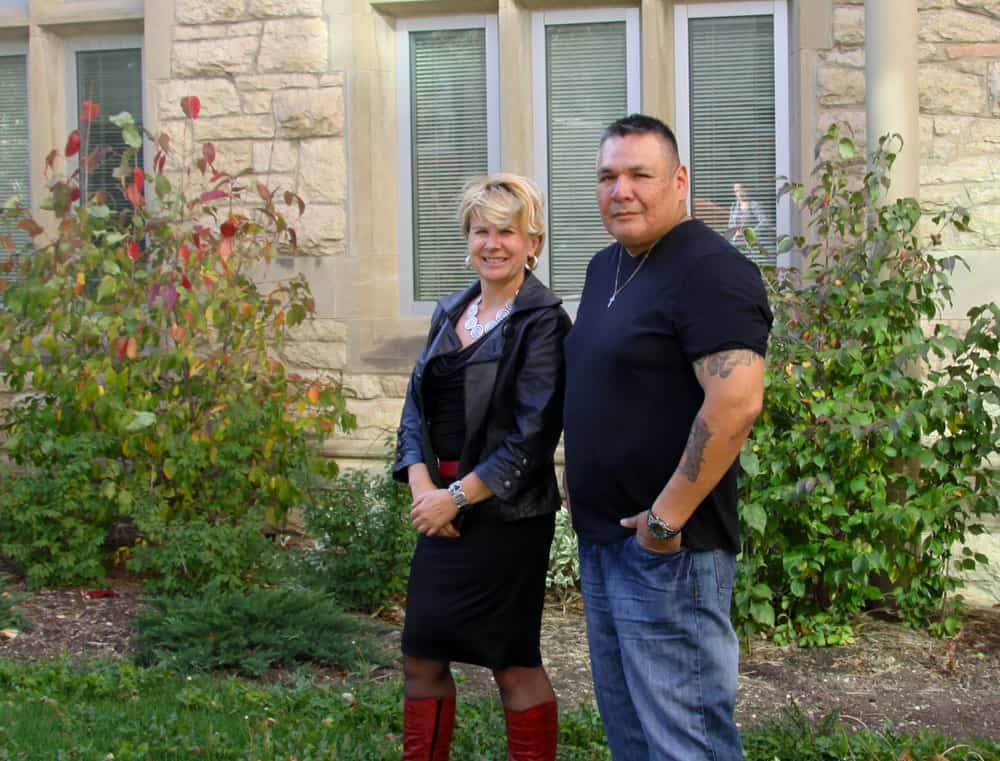
    Recent research by U of S professor Caroline Tait looks into the realities of the child welfare system in Saskatchewan, providing a sobering picture of a vital government program. The research resulted in a documentary on child welfare entitled Child Welfare: the State as Parent, which was launched at the U of S on Oct. 7.

  • Facebook: a post-secondary complaint forum

    By October 8, 2011

    The university teacher-student dynamic can be a strange one: on one hand, students are students, and should reasonably be expected to act accordingly, deferring to professors as superiors and as more knowledgeable.

    On the other hand, students know they pay a good chunk of their professors’ salary, and this can sometimes lead to students feeling as though they deserve more equal footing with their instructors.