THE UNIVERSITY OF SASKATCHEWAN’S MAIN CAMPUS IS SITUATED ON TREATY 6 TERRITORY AND THE HOMELAND OF THE MÉTIS.


THE UNIVERSITY OF SASKATCHEWAN’S MAIN CAMPUS IS SITUATED ON TREATY 6 TERRITORY AND THE HOMELAND OF THE MÉTIS.

  • By January 20, 2012

    What started in 2009 as a side project with low expectations has quickly yielded impressive results and garnered funding from the National Sciences and Engineering Research Council of Canada.

    University of Calgary biochemistry professor Raymond Turner began working with Howard Ceri, a U of C biology professor, on creating a biofilm that would assist in the detoxification and reclamation of some tailings pond water left over after oil sands excavation.

  • What happens when a highly contagious virus sweeps through a conference of student journalists?

    By January 19, 2012

    “Did you eat the slaw? How about you, how much coleslaw did you eat?”

    This is how the 74th annual Canadian University Press national conference’s bizarre outbreak of norovirus began. Norovirus, previously named Norwalk, is a highly contagious illness that most often causes violent illness for one or two days, including vomiting, diarrhea and stomach pain.

    What ensued was twelve hours of the worst kind of illness. Read on for a full, first person recap of the night’s disastrous and disgusting outbreak.

  • Where nanotechnology and medicine meet: scientists shrink medical tests, makes them more affordable

    By January 4, 2012

    In a rural medical office, only the bare minimum of medical technology is either affordable or practical, and doctors rely on their own diagnostic skills rather than the expensive tests that doctors at urban centres can more easily access. In the absence of proper equipment from which many urban doctors benefit, rural patients can be misdiagnosed or mistreated due to the impracticality of running the gamut of tests on them.

    Linda Pilarski, a University of Alberta oncology professor and Canada Research Chair in Biomedical Nanotechnology, has been working since 1998 to change this.

  • Occupy Saskatoon calls attention to housing problems

    By November 25, 2011

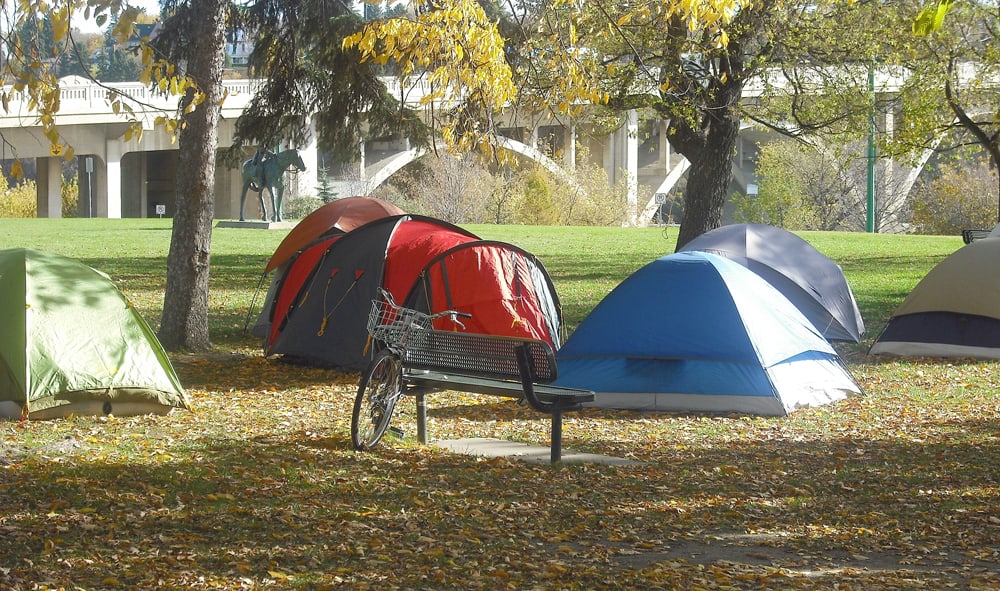
    When Saskatoon’s branch of the Occupy Wall Street protests set up camp in Friendship Park on Oct. 15, it quickly became a home for the homeless in town.

    Since the first protesters took to the streets of New York’s financial district on Sept. 17, the Occupy Wall Street movement has spread to more than 1,500 cities worldwide. About 1,000 cities with active Occupy protests are much farther south, in the United States, allowing the Saskatoon protesters to develop distinctly local priorities.

  • Aboriginal education key to economic growth, professor finds

    By November 24, 2011

    Aboriginal students are one of Saskatchewan’s largest untapped economic assets, according to a new study done for the Gabriel Dumont Institute.

    The Association of Universities and Colleges of Canada’s website claims that only eight per cent of aboriginal people in Canada between ages 25 and 64 have university degrees, while 23 per cent of non-aboriginal people in that same age group have university degrees.

  • Falling crime rates to be met with harsher sentences

    By November 17, 2011

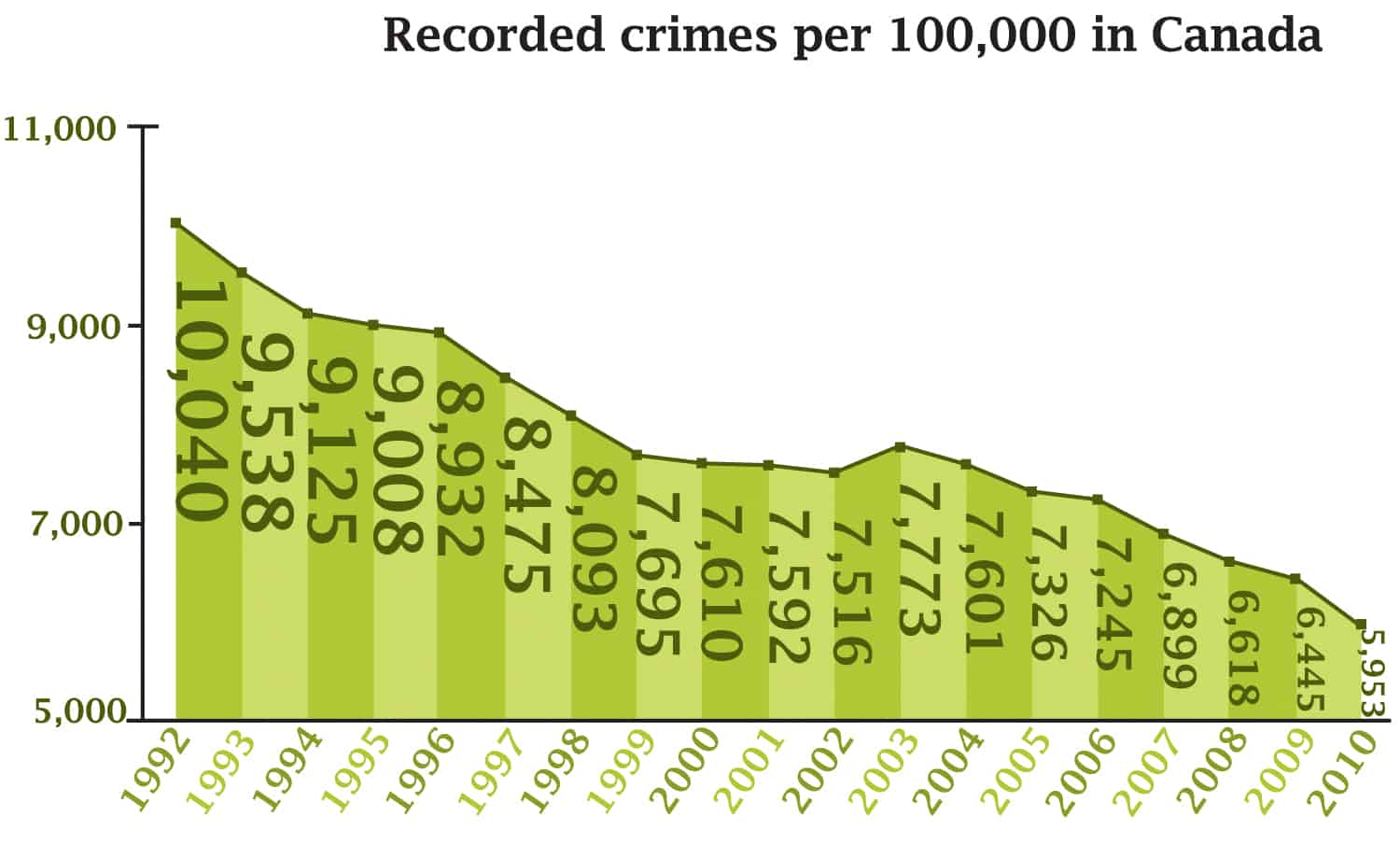
    With both serious and petty crime dropping steadily in Canada over the last two decades, many are challenging the federal government’s intense focus on imprisoning law-breakers.

    Bill C-10, entitled the “Safe Streets and Communities Act,” is an omnibus bill composed of nine different bills that died in Parliament before the May 2 election was called. It includes harsher mandatory minimum sentences for minor offenses such as drug possession, as well as extended possible maximum sentences.

  • Local program Str8 Up gives gangsters a way out

    By November 17, 2011

    Though Stacey Swampy has not been an active gang member in almost 17 years, he can readily list the many benefits they offer to poor youth: protection, a sense of belonging, family, and, not least, money.

    Str8 Up began several years ago in Saskatoon. Father Andre, a Catholic priest and chaplain in the Saskatoon Correctional Centre, “basically started to recognize that people who want to get out of the gangs have a long, hard, difficult road ahead of them,” said John Howard Society District Director Shaun Dyer. “So he started to be intentional about working with them and befriending them.”

  • Saskatoon growing? Not so fast: U of S professor warns economy not as golden as others claim

    By November 5, 2011

    In the wake of reports about Saskatchewan’s recent economic and population growth, a University of Saskatchewan professor cautions that the numbers are not as impressive as they may seem.

    In an Oct. 25 op-ed published in the StarPhoenix, Saskatoon Mayor Don Atchison claimed that “the prosperity and strong economic growth Saskatoon is now experiencing are here for the long term. The forces are aligned to continue to build Saskatoon’s success for at least the next 25 years. That’s not just wishful thinking, but is an economic fact.”