THE UNIVERSITY OF SASKATCHEWAN’S MAIN CAMPUS IS SITUATED ON TREATY 6 TERRITORY AND THE HOMELAND OF THE MÉTIS.


THE UNIVERSITY OF SASKATCHEWAN’S MAIN CAMPUS IS SITUATED ON TREATY 6 TERRITORY AND THE HOMELAND OF THE MÉTIS.

  • By March 1, 2012

    Despite all the great music made in town, bands can still often be better-known elsewhere in the country than within Saskatoon. It took two veterans of the local music scene to start to get the word out to other Saskatonians about what they weren’t hearing.

    On March 1, Ryan Smith and Chris Morin will celebrate the first anniversary of their music blog Ominocity with a site redesign and a concert at Louis’ showcasing eight different Saskatoon bands.

  • Standardized nursing exam causes controversy: nursing students opposed to US company producing new exam

    By March 1, 2012

    Controversy has broken out in nursing colleges across Canada as preparations are made to move to a single, continent-wide standardized exam for licensing registered nurses.

    “The main thing is that nursing students across the country, since this announcement, have been voicing a lot of discontent and upset with the decision,” said Maggie Danko, western regional director of the Canadian Nursing Students’ Association and a third-year nursing student at the University of Alberta.

  • U of S prof wins $2.6-million research chair in oil sands reclamation

    By February 18, 2012

    University of Saskatchewan professor Lee Barbour has been granted a five-year Industrial Research Chair through the Natural Sciences and Engineering Research Council of Canada to study water flow in reclaimed oil sands mines.

    The IRC program is a partnership between academics and industry; in Barbour’s case, oil giant Syncrude will provide half the funding for the $2.6-million project, and NSERC will put up the other half.

  • Music to fuck to this Valentine’s day

    By February 11, 2012

    We’re all familiar with lists of love songs and sexy songs (Al Green, anyone?) coming out around Valentine’s Day. This has been done and done again, but one important sector of love-related music has been undeservedly ignored. I refer, of course, to music you can fuck to.

    During February, as the ice outside temporarily thaws and our thoughts turn to love or the drunken hookups week-long school breaks inevitably lead to, it is absolutely essential to have a rock-solid go-to list of music to get down to. And no, there’s no Al Green here. Save that for the love song lists.

  • Saskatchewan acts to curb new HIV cases

    By February 9, 2012

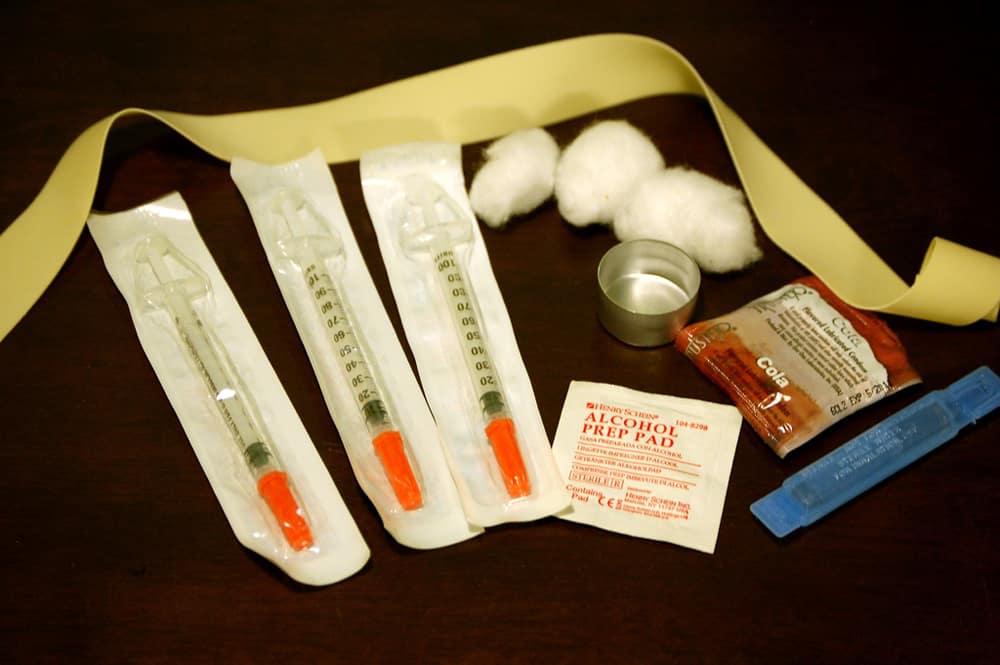
    Despite the fact that new cases of HIV have largely levelled off across Canada, Saskatchewan has a surging infection rate. Over the next few weeks, the Sheaf will examine why this is the case and what can be done about it from the perspective of people dealing with the situation. This week: a look at how the provincial government treats patients and how they plan to curb new infections.

  • Canada’s next prime minister? Speaking with candidates for the leadership of the NDP

    By February 8, 2012

    In the wake of Jack Layton’s tragic death, there has been a tangible vacuum of power in the NDP. Now, as the race for the leadership of the Official Opposition heats up, the candidates are striving to showcase why and how they will be able to bring Layton’s singular passion back to the party. The Sheaf spoke to the five candidates who came to Saskatoon for a Feb. 7 debate.

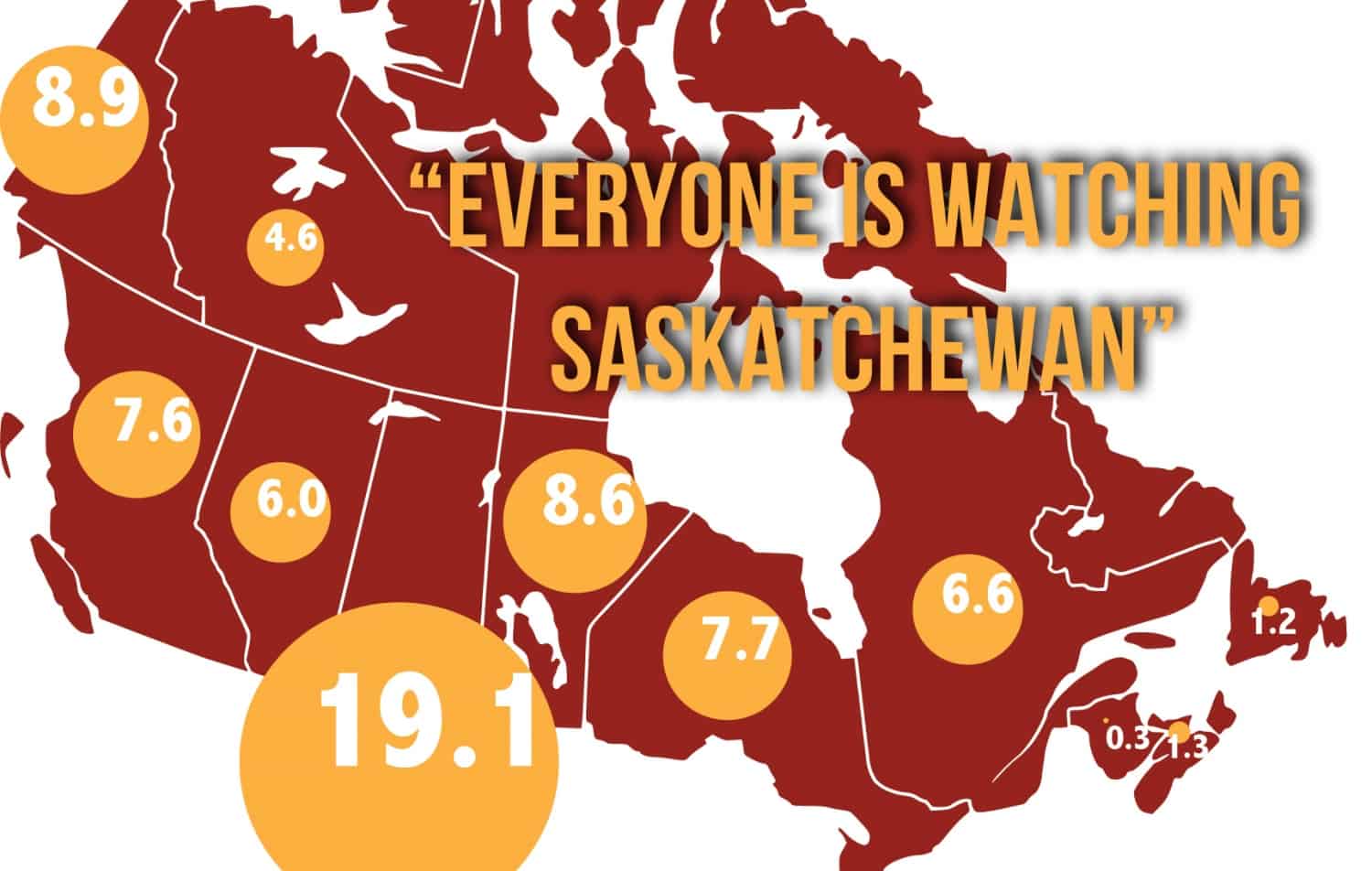
  • “Everyone is watching Saskatchewan:” province’s HIV infections a cause for concern

    By February 1, 2012

    Since 2002, the number of new HIV infections in Saskatchewan per year has risen steadily, from 26 to 200. And while there was a slight drop in 2010, AIDS Saskatoon expects the 2011 numbers will almost certainly show another increase once they are available.

  • What will the end of the Wheat Board look like?

    By January 26, 2012

    Passed on Nov. 28, 2011, the Conservative-introduced Bill C-18 will go into effect on Aug. 1, 2012, and will end the CWB’s monopoly on selling Western Canadian wheat and barley internationally. Western Canadian farmers produce 21 tonnes of wheat, barley and durum annually, 80 per cent of which is exported overseas.

    While the bill does not legislate the dismantling of the board, it remains to be seen what, if any, kind of role the board will play in a deregulated grain market.