THE UNIVERSITY OF SASKATCHEWAN’S MAIN CAMPUS IS SITUATED ON TREATY 6 TERRITORY AND THE HOMELAND OF THE MÉTIS.
THE UNIVERSITY OF SASKATCHEWAN’S MAIN CAMPUS IS SITUATED ON TREATY 6 TERRITORY AND THE HOMELAND OF THE MÉTIS.
theatre

  • By March 21, 2012

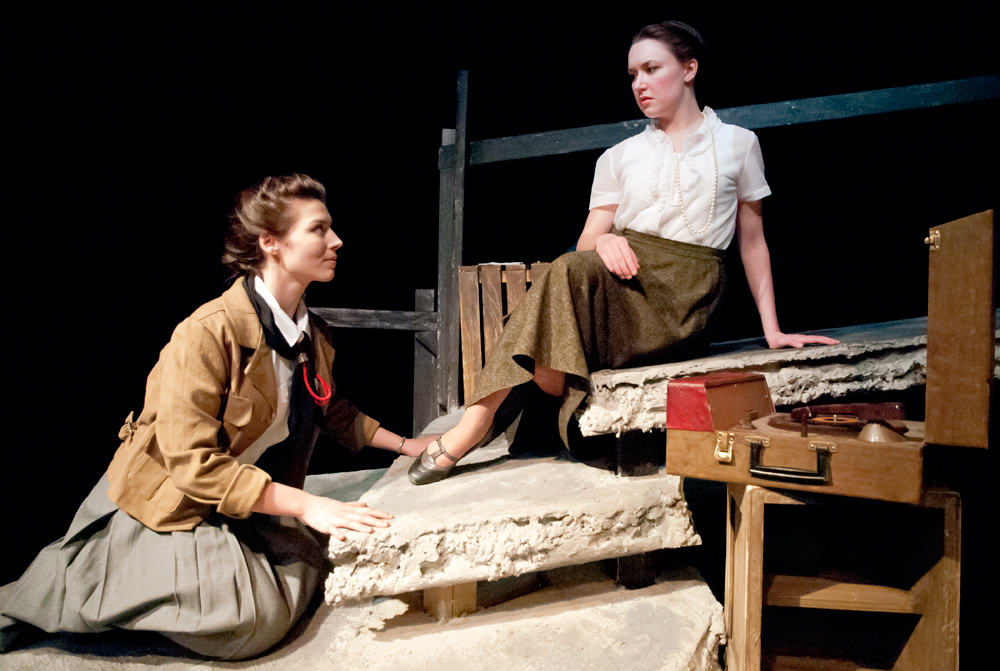
    If birds could speak, oh the lyrics they would weave. The final instalment of Greystone Theatre’s season tackles ancient Greek tragedy combined with modern political commentary — along with a healthy dose of sex, violence and excitement.

    The Love of the Nightingale by Timberlake Wertenbaker is a retelling of the old story from Ovid’s Metamorphoses about the tragedy of Philomele and Procne. Philomele’s sister Procne is married to Tereus, the king of Thrace. However, Tereus decides he is in love with Philomele, so he rapes her in a moment of emotional vulnerability, then cuts out her tongue when she promises to spread word of the rape.

  • Newman Players bring Anne of Green Gables to STM

    By March 16, 2012

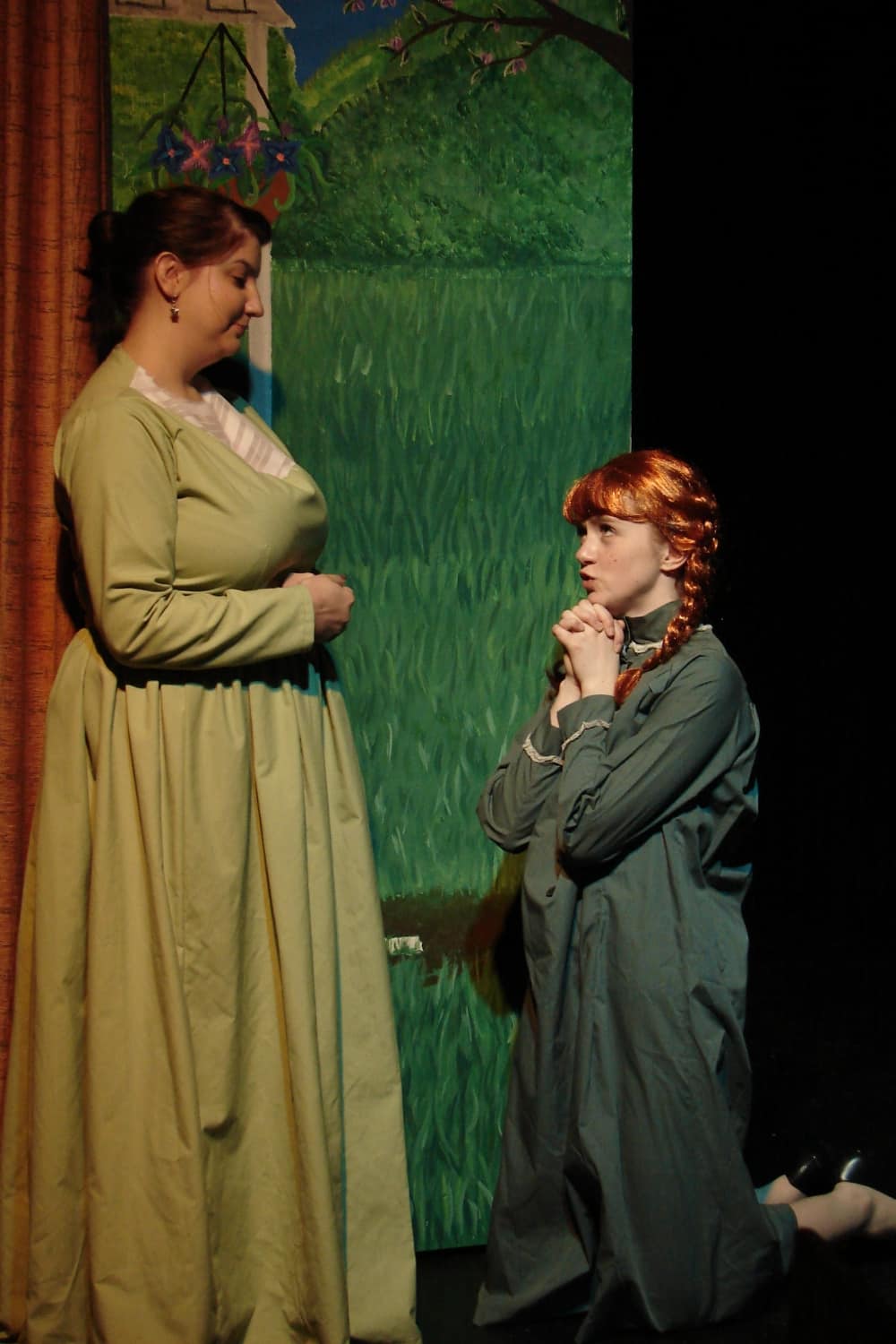
    “Anne is loved for her spirit, energy and imagination. She approaches life how other people wish they could.”

    This glowing character sketch is given by Linnea Bargen, who plays the lead role of Anne in the upcoming Newman Players version of Anne of Green Gables, opening March 14 at 7 p.m. in the Fr. O’Donnell Auditorium.

  • Rick Miller does Shakespeare as The Simpsons in MacHomer

    By March 14, 2012

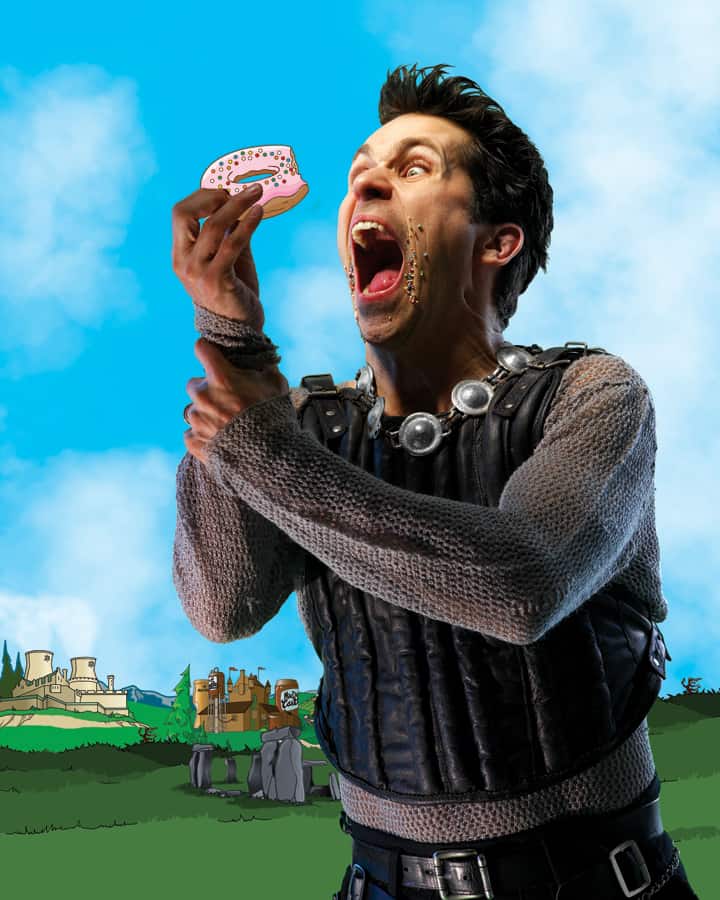
    A kind of MTV-generation thinking pervades MacHomer. It’s thinking that says to make classic art (like the plays of Shakespeare) relatable to modern audiences, you should throw in some pop-culture references and, voila, you have an easily digestible version ready for the masses to consume.

    It seems that Canadian comedian and stage performer Rick Miller subscribes to this sort of thinking, and he really runs with it in MacHomer, a shortened version of Macbeth in which every character is performed as a member of The Simpsons.

  • Once upon a time in Nazi Germany

    By February 6, 2012

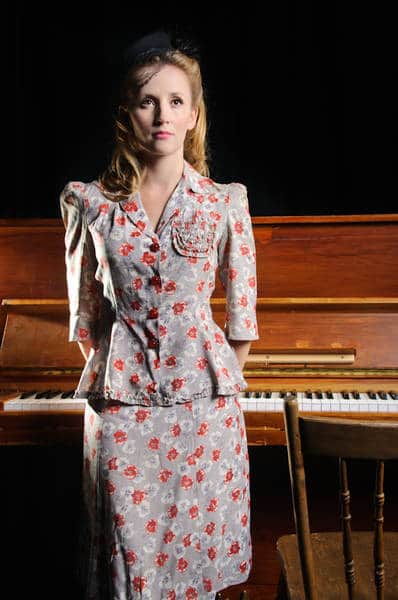
    “Once upon a time” and “Happily ever after” — these phrases are not typically associated with the Holocaust. Yet so unfolds the storybook opening to All Through the Night.

    The dark yet strangely whimsical drama is the latest offering from the Greystone Theatre, sporting an all female cast and a striking atmosphere.

  • Escaping the past and finding yourself East of Berlin

    By February 2, 2012

    “This show is edgy. It’s gripping. It’s also surprisingly funny.”

    That is how University of Saskatchewan alum Heather Morrison describes the Canadian play East of Berlin, which she stars in. The play runs at the Refinery on Dufferin Ave. starting Feb. 3.

  • Waiting for the Parade has a dynamite female cast

    By November 25, 2011

    Waiting for the Parade does more than just reflect on war, past and present, and the way it has shaped our country; it interacts with the past in a way that is full of love and vitality, and it takes hold of the audience with its continuing sense of urgency.

  • Amadeus is a dark and rhythmic tribute to Mozart’s musical genius

    By November 16, 2011

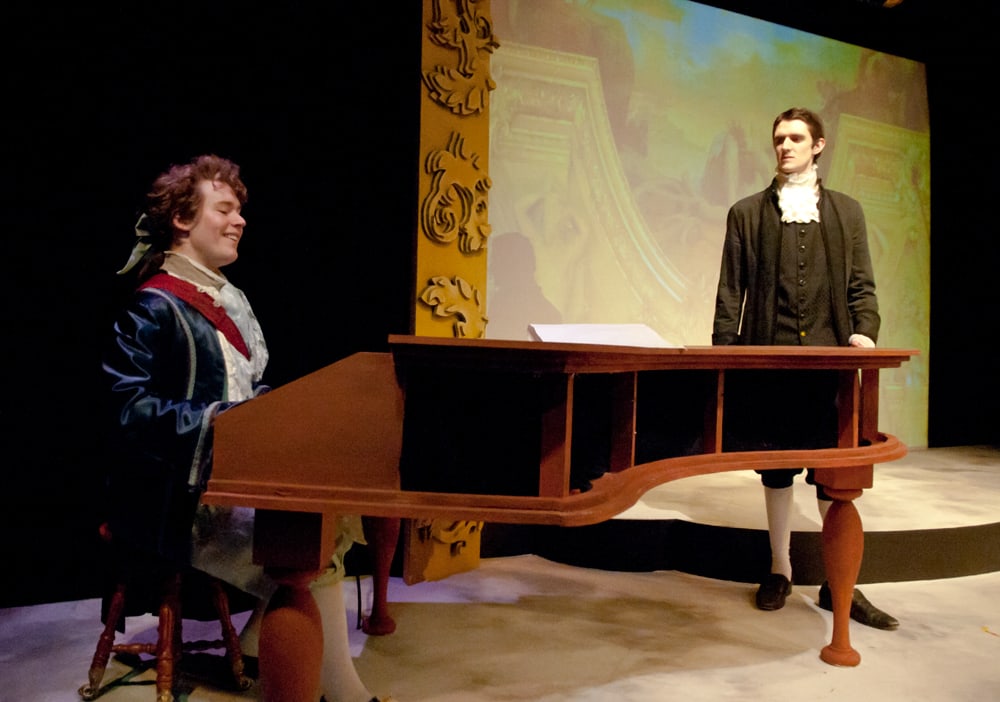
    The man, the myth, the legend — who was Wolfgang Amadeus Mozart? The newly arrived production of Amadeus may not provide exact historical accuracy, but it does provide a sizzling spectacle of classic elegance and bloodthirsty rivalry.

    This fall, Greystone Theatre is putting on the Peter Shaffer play that delves into the mystery of the genius who changed history. Amadeus is told from the perspective of Viennese court composer Antonio Salieri. It begins in the early 19th century, with Salieri wasting away in his autumn years, his distinguished career long behind him.

  • Vimy in time for Remembrance Day

    By November 10, 2011

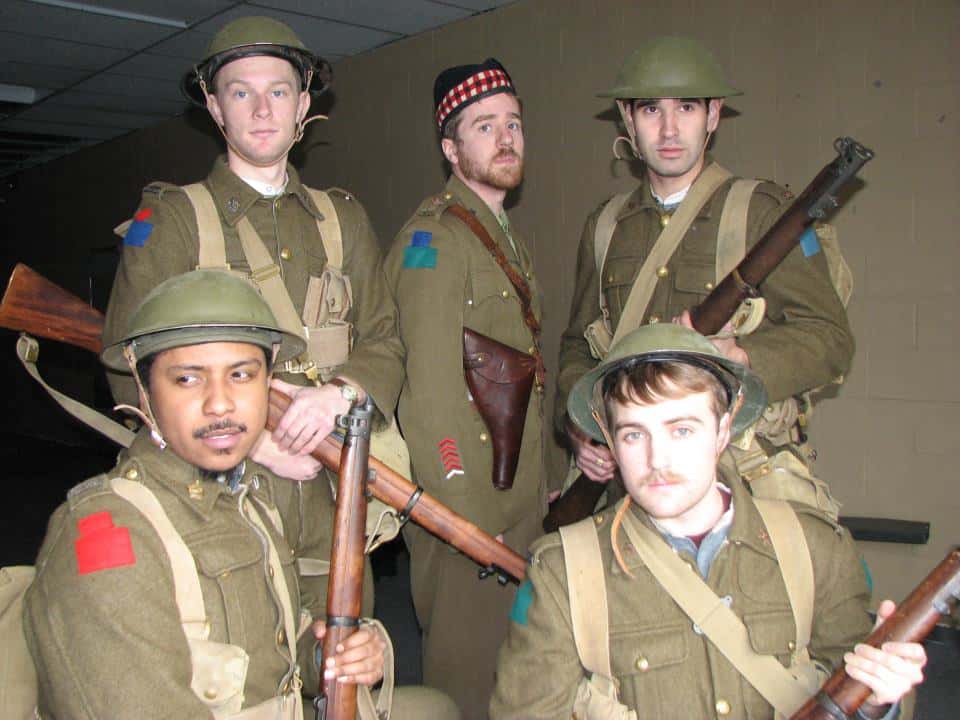
    Vern Thiessen’s Vimy is the first show of the season for the local non-profit theatre organization Live Five, telling the story of a nurse tending four wounded Canadian soldiers recovering at a field hospital during the First World War. It is directed by Natasha Martina and stars many current and former U of S drama students.

    While the play is built around the themes, symbols and actions of the First World War, it is not a play explicitly about war.