THE UNIVERSITY OF SASKATCHEWAN’S MAIN CAMPUS IS SITUATED ON TREATY 6 TERRITORY AND THE HOMELAND OF THE MÉTIS.
THE UNIVERSITY OF SASKATCHEWAN’S MAIN CAMPUS IS SITUATED ON TREATY 6 TERRITORY AND THE HOMELAND OF THE MÉTIS.
the internet

  • By February 14, 2013

    Every time I go online, it’s not long before I’m lured away from whatever I’m looking for by the siren call of the the Internet’s more frenetic side. You know the sites. Facebook, Twitter, Reddit, Pinterest — the usual suspects. They rear their heads anytime you’re trying to actually get things done.

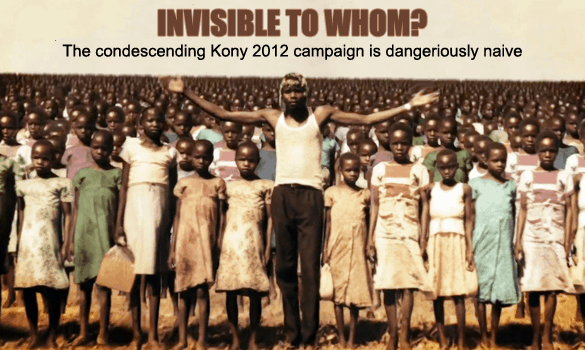
  • Stop Kony 2012 and start apologizing to Ugandans

    By March 14, 2012

    In the frantic race to be the first to re-post, tweet or share the meme du jour, the troubling subtext to the Kony 2012 campaign seemed lost in a misguided cloud of excitement. While the intentions of the nearly countless people who leaped at the opportunity to support Invisible Children’s mission are noble, good intentions do not make an act just. And if we are willing to contribute financially to a global manhunt that could easily result in an unforeseeable number of deaths, then I think we owe it to ourselves — not to mention the everyday Ugandans who would be most affected by such a campaign — to take a moment to analyze the campaign and its motives.

  • The music world gets worse every year, and we’re largely to blame

    By February 15, 2012

    Do you love music? Well, do you love music enough to pay for it? Or even sit down and listen to an album for 30 minutes? In 2012, not many people can answer these questions affirmatively. Thanks to our digital gizmos, we hardly ever sit down and listen to full albums anymore.

    The inattention of our playlist era is telling bands and companies to focus on individual “hits,” which are instant cash cows. Hit-making now trumps the industry’s old model of signing bands that made great albums. And the music industry’s growing emphasis on quick returns has done away with another virtue of labels: letting bands slowly develop their sound and fan-base.

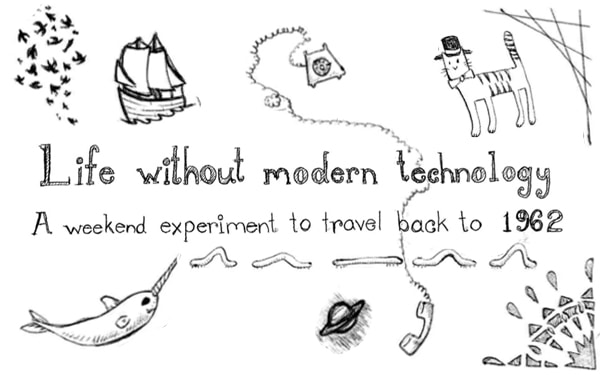
  • Life without modern technology: a weekend experiment to travel back to 1962

    By January 25, 2012

    For years I’ve held a strong belief that, given two products, the older one is probably cooler, more authentic and better made. So I cling to the past whenever I can. Being fed up with this my brother told me, “Mike, you can’t pretend you’re living in the ’60s.” — which is precisely what I did all weekend.

    And when it came time to write up this article, I thought I’d try something a little bit different.

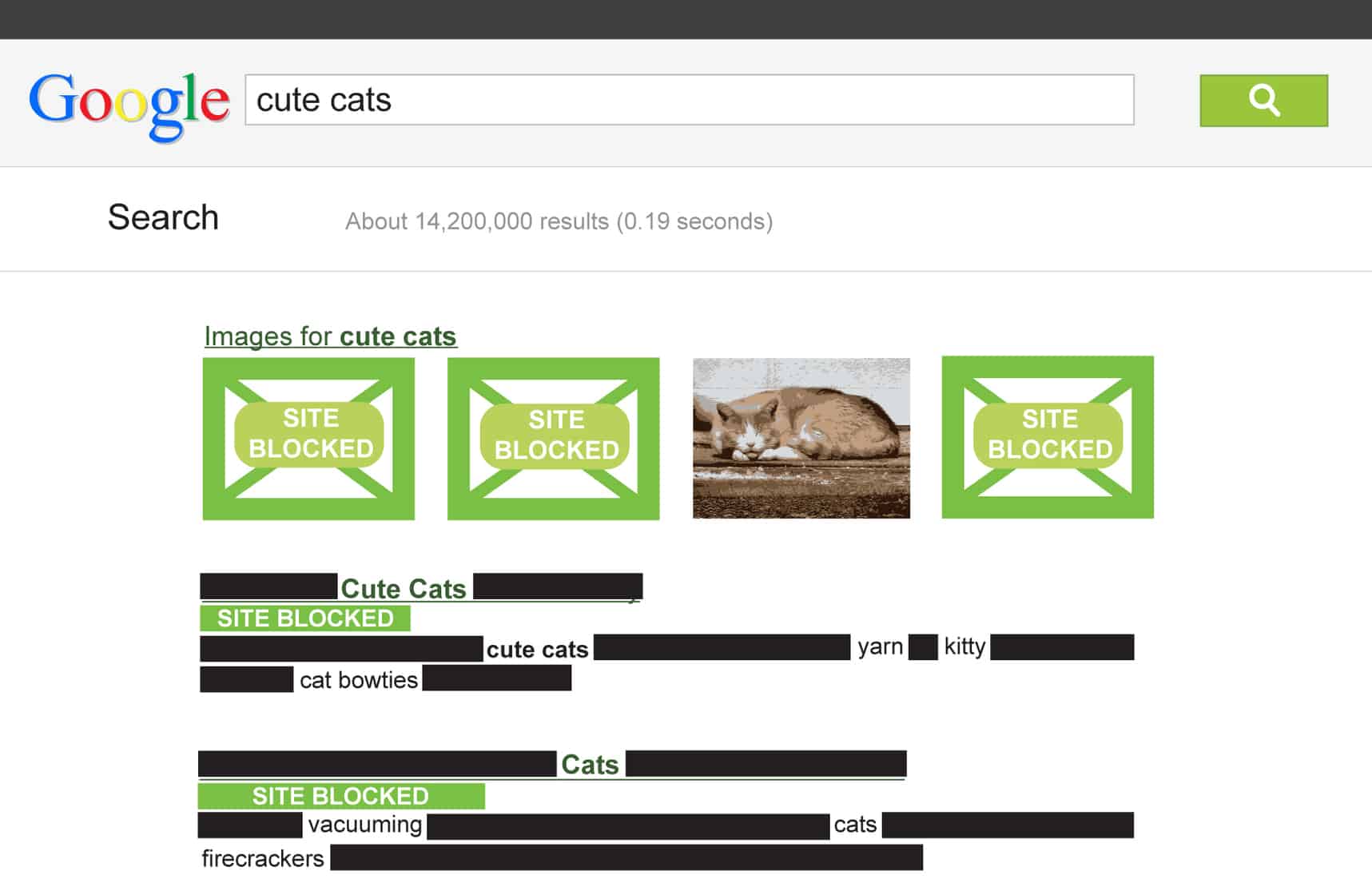
  • A tattered web: how censorship could cripple the Internet

    By January 11, 2012

    The web’s hyperlink structure works kind of like the synapses in your brain, or the blood vessels in your circulatory system. Everything is interconnected, designed to pass information back and forth, sometimes in multiple directions simultaneously. It can be mind-bogglingly complex but it works because there are relatively few blockages. People can traverse the web how they see fit.

    But imagine what would happen if massive swaths of these connections suddenly blinked offline. This is the risk posed by the Stop Online Piracy Act, a bill introduced in the U.S. Congress in October of last year that is scheduled to be voted on by Jan. 24 this year.

  • The Internet and secularism: how social media opens our minds to other beliefs and worldviews

    By November 3, 2011

    In the past five years, the dramatic shift in social media vessels (read: the Internet) has created a new world of communication. Also drastically changed in the past five years: my own religious beliefs.

    Thanks to the Internet, the world was no longer limited to wherever my feet could take me, parents could drive me or money could fly me. The truth was out there — and I was going to find it. I now know that there were others like me, searching heedlessly for the unknown, rummaging through virtual heaps of trash to find diamonds.

  • Separating information from identity in an online world

    By October 27, 2011

    Just as the prominence of the World Wide Web has changed drastically, so too has its “raison d’être” — it has gone from a database to a hub of real-time communication and social networks. It spreads ideas, news coverage and multimedia across geographical boundaries instantly, and researchers are constantly trying to make it even more streamlined and efficient.