THE UNIVERSITY OF SASKATCHEWAN’S MAIN CAMPUS IS SITUATED ON TREATY 6 TERRITORY AND THE HOMELAND OF THE MÉTIS.


THE UNIVERSITY OF SASKATCHEWAN’S MAIN CAMPUS IS SITUATED ON TREATY 6 TERRITORY AND THE HOMELAND OF THE MÉTIS.

  • By February 27, 2013

    Strolling through upper Place Riel isn’t exactly the most inspiring experience for students — at least until recently. A small new art gallery has been set up which will allow students to showcase their artwork in one of the university’s most trafficked areas.

  • Listen up sick students: there’s nothing fishy about the preventative power of vitamins and Omega-3

    By January 17, 2013

    Taking your Flintstones isn’t the only way to repel the flu; there are several ways to get your required daily intake of nutrients outside of the medicine aisle.

  • Saskatoon club shows budget musicians how to have a good time

    By October 2, 2012

    If, while strolling through Buena Vista Park, you think you hear the faint and mellow sounds of ukuleles on the evening breeze, you are not mistaken.

  • Coffee culture brews in Saskatoon

    By September 12, 2012

    Although slow to start, the independent coffee scene in Saskatoon is giving Tim Horton’s a run for its money. At least this is what Dallyn Guenther hopes to achieve with his new business, the Underground Café, which opened its doors this past June.

  • Carnival of Solidarity returns to praise diversity and social justice

    By February 29, 2012

    Social justice groups will be celebrating at Louis’ Pub for the Carnival of Solidarity on March 2. The annual event consists of dance performances from various cultures, ethnic cuisine and presentations from local advocacy organizations.

    In addition to a celebration of diversity at the University of Saskatchewan, the carnival is a networking opportunity for students and social justice groups as well as a fundraiser for Iskwewuk Ewichiwitochik (Women Walking Together), which is a local community organization that raises awareness and supports families of missing Aboriginal women.

  • Children of college graduates more likely to attend post-secondary institutions: study

    By February 17, 2012

    A new University of Saskatchewan report shows that money is not the most significant factor in the accessibility of post-secondary education.

    The Accessibility and Affordability Report says that children from low-income families, rural communities, aboriginals and people with disabilities are less likely to attend a post-secondary school. But it also states the importance parents’ backgrounds play in their children’s future. The reasoning, according to the study, is that “having parents with post-secondary education creates a culture within the home that values higher education.”

  • Human rights campaigner Grahame Russell says Canada’s mining giants exploit the South

    By January 25, 2012

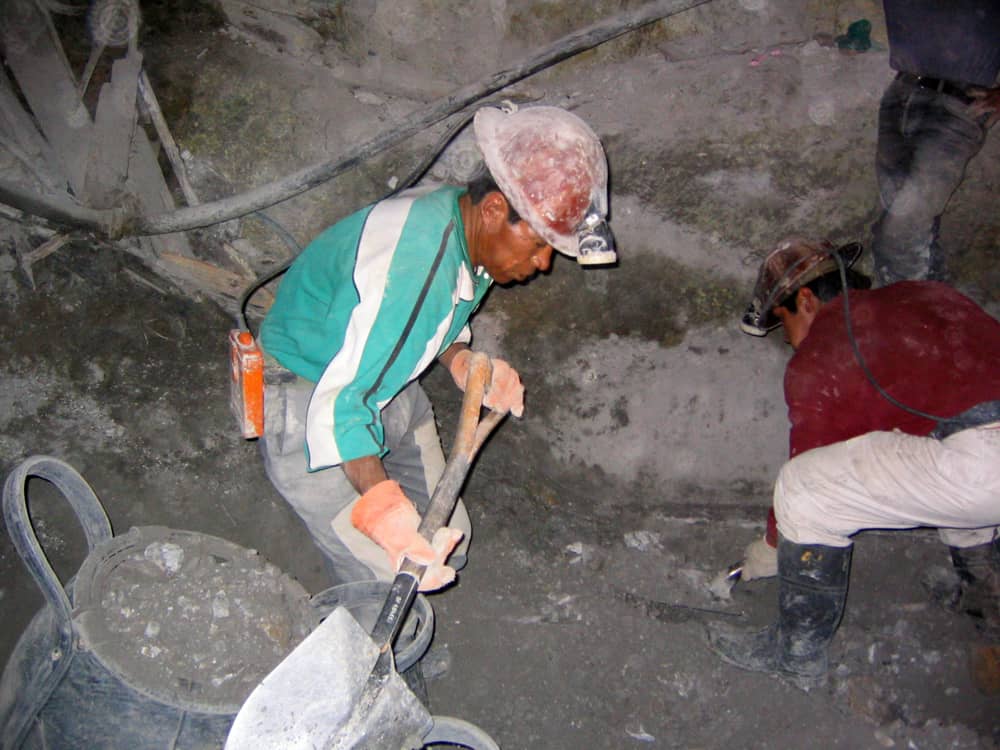
    For many pampered Canadians, it is difficult to imagine a foreign company evicting an entire community, claiming the land for mining purposes and doing so without any form of government intervention.

    Sadly, this is the reality for thousands of displaced families living in South America — and at least 500,000 people in Guatemala alone. What’s even more difficult to fathom is that a handful of these mining companies are Canadian. Also surprising is that Canadian citizens greatly benefit from investments in these companies — perhaps in ways they haven’t considered.

    According to Canadian human rights activist Grahame Russell, this is only one example of “global economic order” at work.

  • Students tackle binge drinking issue on campus

    By December 2, 2011

    A group of classmates at the University of Saskatchewan has undertaken a long-term study that will examine the environmental pressures to binge drink on campus and at campus-related events.

    The U of S Student Binge Drinking Prevention campaign originally started as a sociology assignment, but has since evolved into a funded initiative run by four students. Since September the group has been collecting data from students on their attitudes toward alcohol consumption in the hope of being able to educate future freshmen of the risks involved.