THE UNIVERSITY OF SASKATCHEWAN’S MAIN CAMPUS IS SITUATED ON TREATY 6 TERRITORY AND THE HOMELAND OF THE MÉTIS.


THE UNIVERSITY OF SASKATCHEWAN’S MAIN CAMPUS IS SITUATED ON TREATY 6 TERRITORY AND THE HOMELAND OF THE MÉTIS.

iUsask

  • By October 13, 2011

    There was a time when most email addresses included references to princesses, sparkles or surfing. Perhaps you remember this time, when MSN Messenger was king and MySpace was still a pedophile’s best friend.

    People’s online identities are no longer divorced from their offline lives. Our university NSIDs use our initials and it’s likely that the email on your resume is something that identifies you by name — something that surferpunk88@hotmail.com never quite did.

  • The rise of The Walking Dead: recapping the first season of AMC’s zombie epic

    By October 13, 2011

    To my surprise, most people I talk to haven’t heard of The Walking Dead. Even worse, when I explain that it’s a post-apocalyptic zombie show, most people get turned off and are not interested in anything else I have to say.

    The Walking Dead is about so much more than just zombies. It is a show about a family, nearly torn apart by unforeseen events and forced to protect themselves against the (in)human monsters of the night after civilization has collapsed.

  • Who’s calling the shots here? Business man and ex-Huskie’s influence goes well beyond the wallet

    By October 13, 2011

    Despite the idea of private ownership constantly surrounding the University of Saskatchewan Huskies football team, Huskie Athletics says it is something that has never seriously been considered.

    David Dube of the team’s top supporters and his donations, valuing over $1 million, have made Huskies’ home games the most electrifying in the team’s history and help draw in record crowds. These donations include the new stands at Griffiths Stadium, the equipment in the weight room of the team’s new clubhouse and the fireworks at every home game.

  • Saskatchewan’s child welfare system hurts more than it helps

    By October 13, 2011

    Research by a Native Studies professor and medical anthropologist at the University of Saskatchewan shows the province’s child welfare system is in dire shape.

    Recent research by U of S professor Caroline Tait looks into the realities of the child welfare system in Saskatchewan, providing a sobering picture of a vital government program. The research resulted in a documentary on child welfare entitled Child Welfare: the State as Parent, which was launched at the U of S on Oct. 7.

  • Huskies hope home turf helps avenge past loss to Calgary

    By October 12, 2011

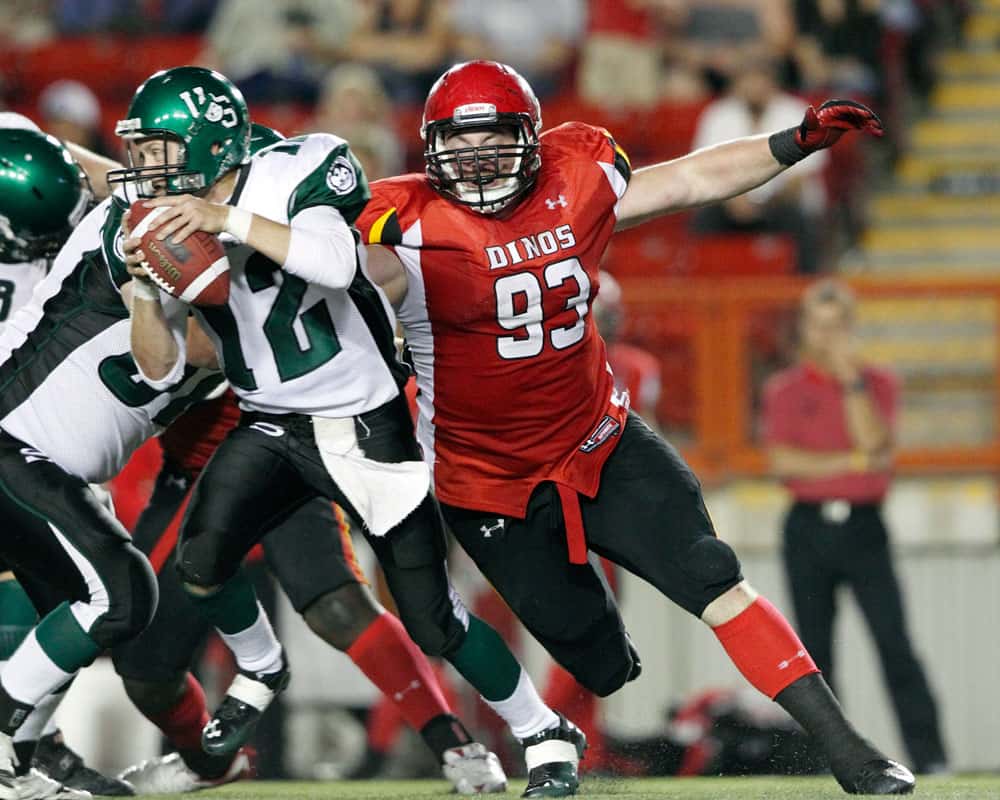
    The Huskies are hoping that their luck on home turf continues Oct. 14 when they line up against the league-leading Calgary Dinos for their final home game of the season.

    Saskatchewan has yet to lose inside Griffiths Stadium this year, but they will be greatly tested by the undefeated Dinos — earlier this year, the Dinos beat the Dogs 38-24 in Calgary.

  • Occupy Wall Street movement spreads to Saskatoon

    By October 12, 2011

    The Occupy Wall Street movement that recently made headlines in New York is gaining traction across the globe. Similar protests have now been staged or are planned in dozens of cities including London, Boston, Seattle, Toronto — and now Saskatoon.

    An Occupy Saskatoon march is planned for Oct. 15, starting at the University of Saskatchewan Law Building and ending at River Landing. The march takes place at noon and the River Landing gathering at 1:00 p.m.

  • The Steve Jobs factor: Apple’s singularity of focus

    By October 9, 2011

    Normally, you need a distinctive first name not to need a last name, but in this – as in everything that he did – Steve Jobs was different. He was always just “Steve.”

  • Do Canada’s cigarette packaging warnings truly make a difference?

    By October 8, 2011

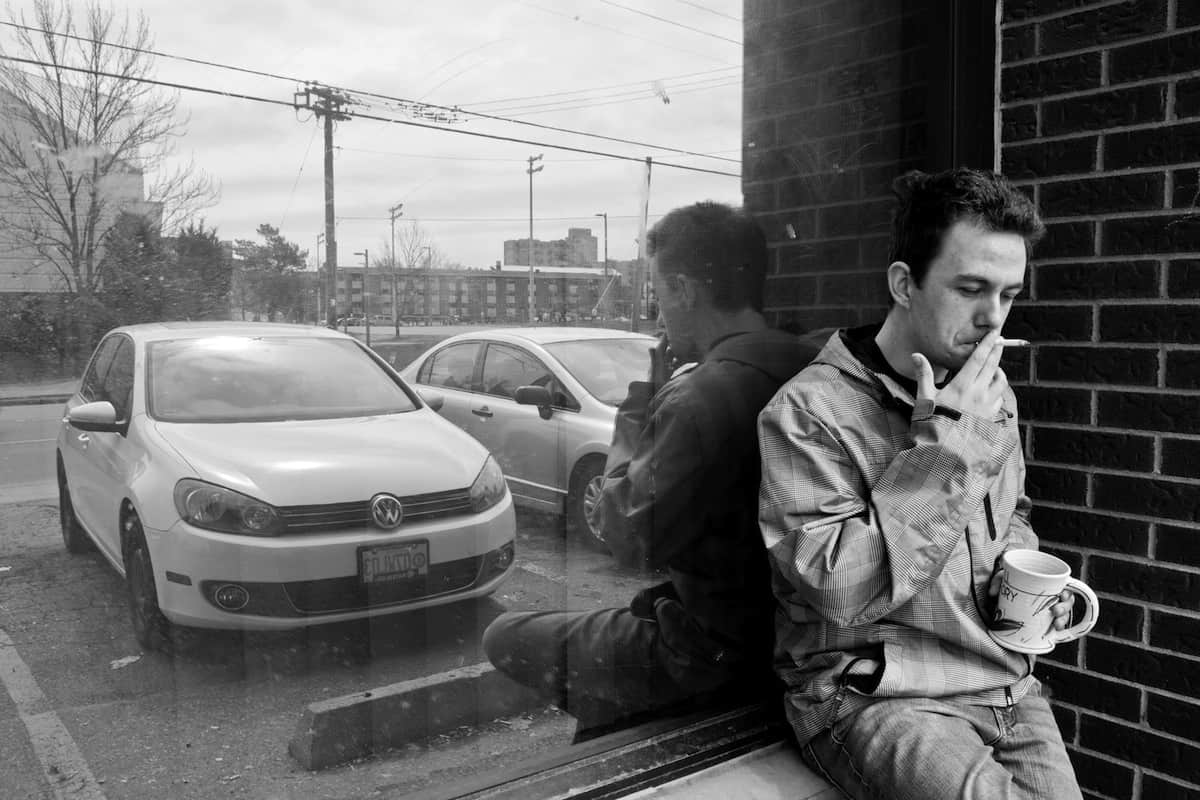
    This December will mark the tenth anniversary of the government of Canada forcing cigarette producers to place a label containing a graphic image and health warning on cigarette packages.

    The government recently announced that it plans to increase the size of the health warnings to 75 per cent. However, it’s doubtful that increasing the size of the images will actually have any noticeable impact on the prevalence of smoking in Canada.