THE UNIVERSITY OF SASKATCHEWAN’S MAIN CAMPUS IS SITUATED ON TREATY 6 TERRITORY AND THE HOMELAND OF THE MÉTIS.

THE UNIVERSITY OF SASKATCHEWAN’S MAIN CAMPUS IS SITUATED ON TREATY 6 TERRITORY AND THE HOMELAND OF THE MÉTIS.

going green

  • By November 24, 2012

    Toronto is on the verge of becoming the first major Canadian city to ban single-use plastic bags. But it’s not enough to stem the plastic bag damage altogether.

  • U of S lecturer builds cheap, green straw house: construction prohibited within city limits

    By March 16, 2012

    Not even the Big Bad Wolf has the lungs to topple this straw house.

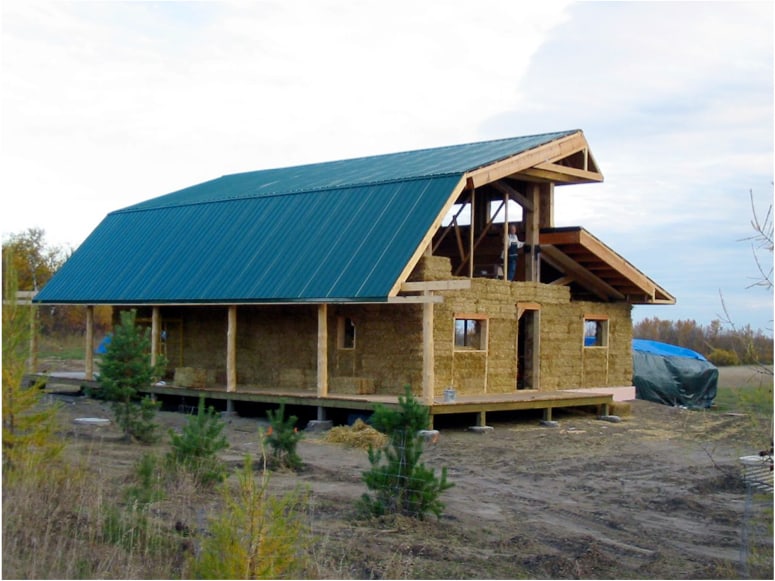
    Bert Weichel, a University of Saskatchewan geography and environmental studies lecturer, has built himself a home just south-west of Saskatoon using straw bale construction. He says humans have been using straw structures for centuries, and that it is a cheap and eco-friendly alternative to conventional building materials.

  • New MAVEN technology to play major role in future of Saskatchewan uranium mining

    By October 29, 2011

    A new software program that minimizes the environmental impact of mining uranium is underway, with almost $1.5 million being invested by the federal and provincial governments.

    The goal of this software is to reduce the impact to surface and ground water caused by mining — that is, to decrease the amounts of selenium, cobalt, nickel and other elements released into the environment.

  • Bottled water gets the boot: Calgary college joins ranks of schools no longer selling water for profit

    By October 21, 2011

    On Oct. 6, Calgary’s St. Mary’s University College joined schools like the University of Winnipeg, Queen’s and the University of Ottawa when it banned the sale of bottled water on its campus. The Council of Canadians Acting for Social Justice only lists six schools in Canada that have made this move, though they did not have St. Mary’s on their list.

  • Advocacy group sheds light on the necessity of composting

    By September 20, 2011

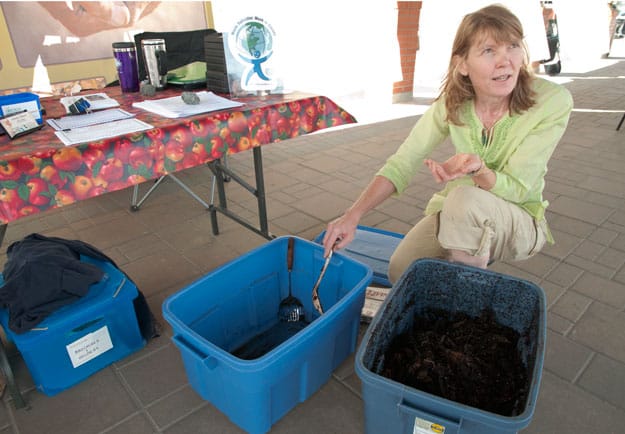
    On Sunday, Sept. 11, the Saskatoon Farmers’ Market was host to a composting exhibition put on by environmental advocacy group Saskatchewan Waste Reduction Council. The overall goal of the event was to shed some light on what composting is, how it works and why it should be a mainstream practice, similar to recycling.

  • The 100-mile diet: local eating is challenging, but rewarding

    By September 16, 2011

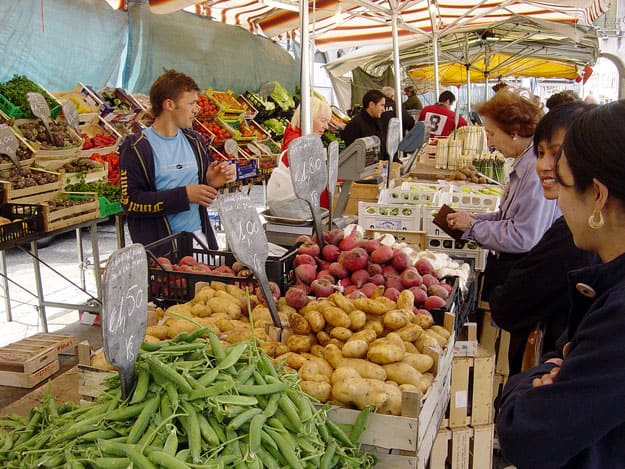
    Trying to eat food that wasn’t shipped across the world can be hard. This is even more so when you limit yourself to food grown within 100 miles. Especially in Saskatchewan ”” in the winter. But just because it is hard to make the transition doesn’t mean it’s not well worth it. Eating local is great for a variety of reasons: you get to support your local farmers and economy, reduce your carbon footprint and know where your food is actually coming from.

  • An argument against basic hygiene: how ditching shampoo helps your hair

    By September 15, 2011

    Back in my first year of university, long before I traded in my straightener (for something much more useful: wine), I thought about foregoing shampoos and conditioners.

    Perhaps “thought” is too serious of a word ”” I entertained the idea of not using hair products, sort of in the same way a person daydreams about their ideal job, house or vacation. “Wouldn’t it be nice if it were that simple.” Well, it turns out that it is really that simple.

  • A dim light on global warming

    By August 22, 2011

    Amid a growing wave of concern about climate change, many countries — including Brazil, Australia, the US, and EU members — passed laws in the 2000’s outlawing or severely restricting access to incandescent light bulbs. But the real problem, as ever, is that the new technology is not yet as attractive as the old.