THE UNIVERSITY OF SASKATCHEWAN’S MAIN CAMPUS IS SITUATED ON TREATY 6 TERRITORY AND THE HOMELAND OF THE MÉTIS.
THE UNIVERSITY OF SASKATCHEWAN’S MAIN CAMPUS IS SITUATED ON TREATY 6 TERRITORY AND THE HOMELAND OF THE MÉTIS.
  • By September 17, 2018

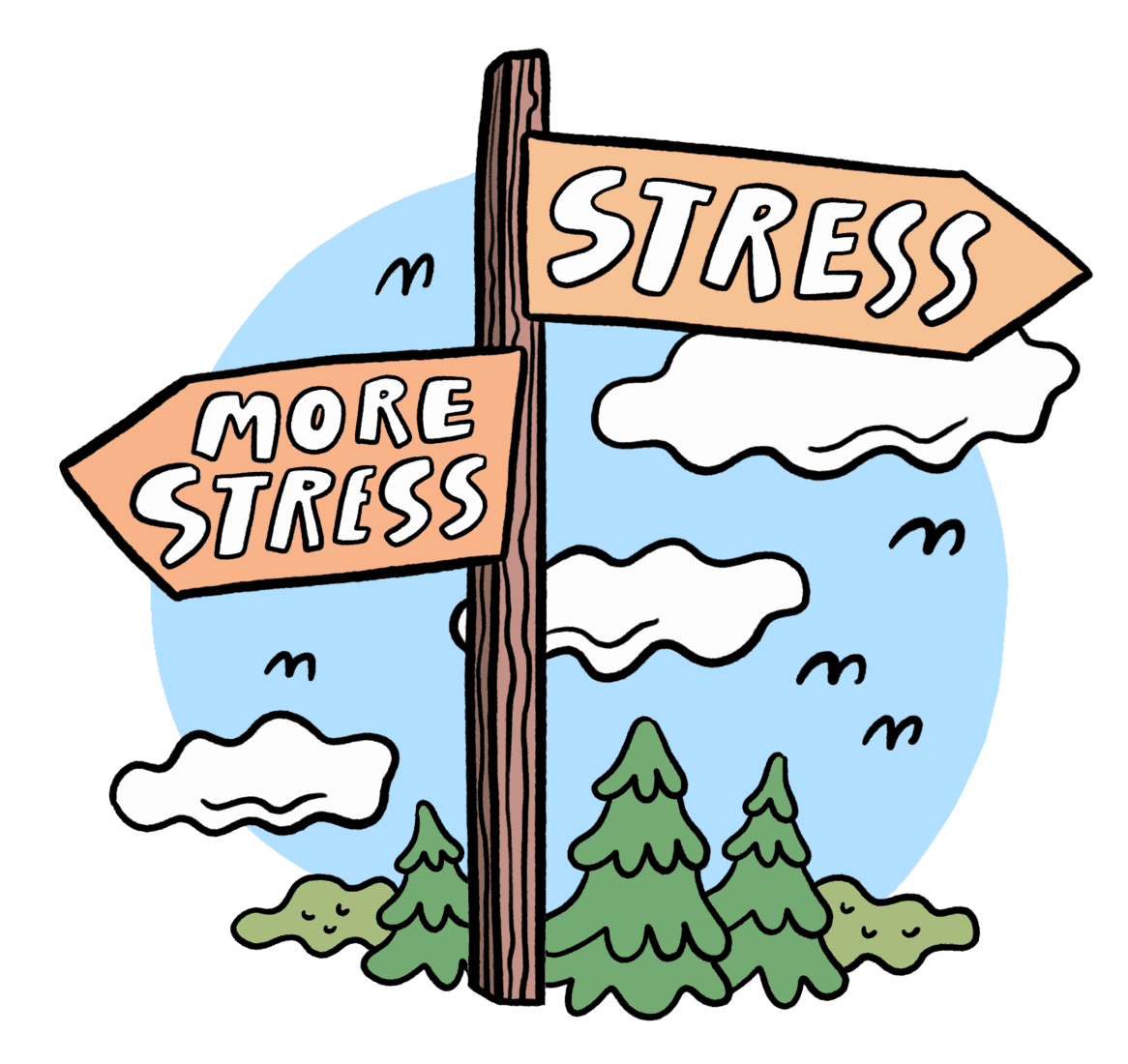
    Unhealthy coping mechanisms are a necessary component to student life.

  • Saskatoon Blues Festival bringing great music to town: blues musicians Rita Chiarelli and Tracy Nelson talk shop

    By March 3, 2012

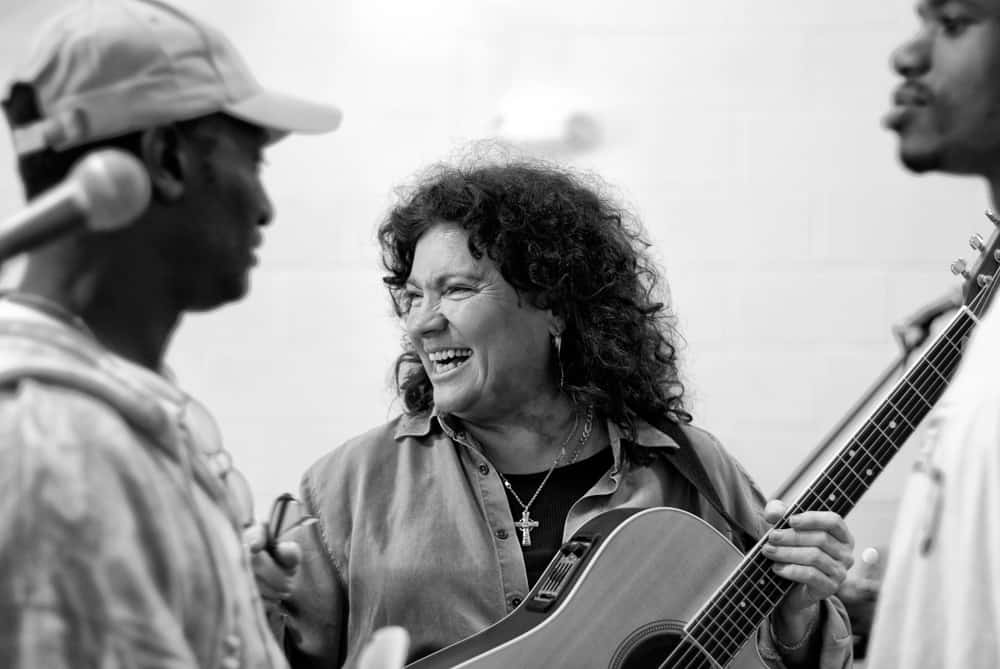
    For a relatively new attraction, the Saskatoon Blues Festival is drawing some pretty big names.

    From Feb. 23 to 26, the Saskatoon Blues Society brought more than a dozen remarkable blues artists to the Odeon Events Centre and the Hilton Garden Inn to provide some soulful entertainment to the masses.

  • Werner Herzog’s Into the Abyss is a sombre, intricate look at capital punishment

    By January 21, 2012

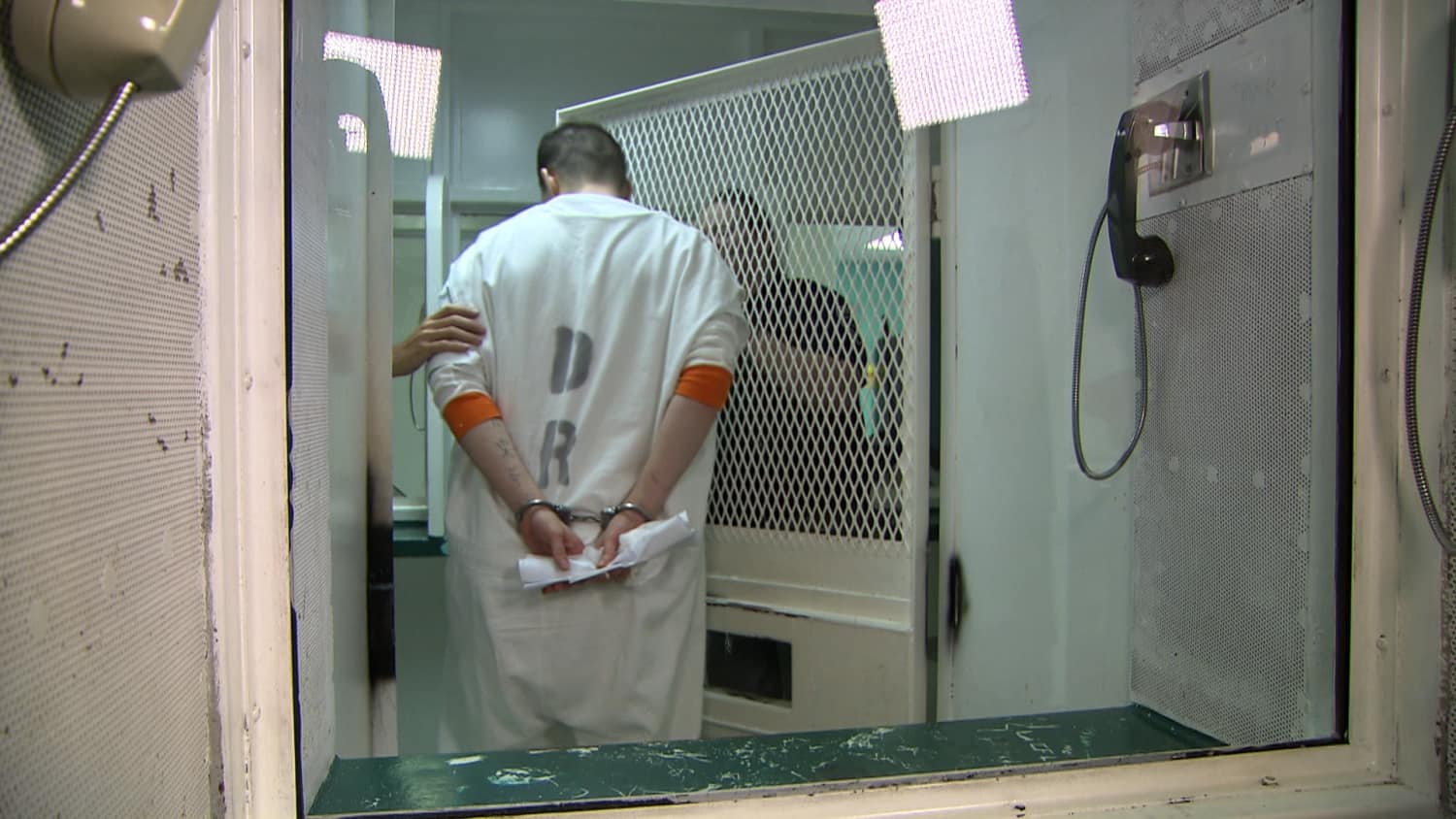
    Fred Allen, the former captain of the Death House in Huntington, Texas, sat across from acclaimed filmmaker Werner Herzog during an interview, telling him that he had overseen over 125 executions in his time.

    “We were doing about two per week,” Allen said heavily, “and that was getting tiresome.”

    It’s hard enough to imagine a crime fit for capital punishment, or the state having a legal right to end a human life for such a crime, but to consider everyone else involved — not just the family, but the people that seem to fade into the background of the situation — is something unexpected.

  • Confessions of a psychic: the Sheaf gets a glimpse of the future

    By October 31, 2011

    It was three in the afternoon and the grey, overcast sky chilled the air, almost foreshadowing what I would feel in a few minutes’ time. Tapping my fingers anxiously on my oak table, I sat with overflowing anticipation for my interview with the psychic Betsy Balega.

  • The 100-mile diet: local eating is challenging, but rewarding

    By September 16, 2011

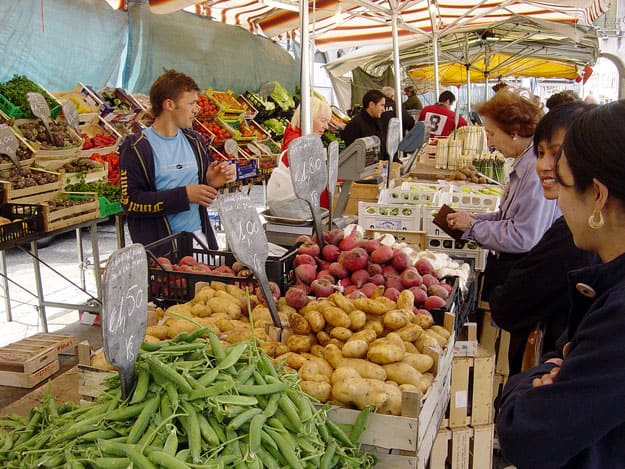
    Trying to eat food that wasn’t shipped across the world can be hard. This is even more so when you limit yourself to food grown within 100 miles. Especially in Saskatchewan ”” in the winter. But just because it is hard to make the transition doesn’t mean it’s not well worth it. Eating local is great for a variety of reasons: you get to support your local farmers and economy, reduce your carbon footprint and know where your food is actually coming from.