THE UNIVERSITY OF SASKATCHEWAN’S MAIN CAMPUS IS SITUATED ON TREATY 6 TERRITORY AND THE HOMELAND OF THE MÉTIS.


THE UNIVERSITY OF SASKATCHEWAN’S MAIN CAMPUS IS SITUATED ON TREATY 6 TERRITORY AND THE HOMELAND OF THE MÉTIS.
climate change

  • By September 20, 2019

    The world’s biggest headlines explained.

  • Six ways to do your part for our environment

    By September 6, 2019

    Here are some simple changes to make in your everyday life to help our environment.

  • Melting ice polar bears’ real enemy, not hunters

    By February 15, 2014

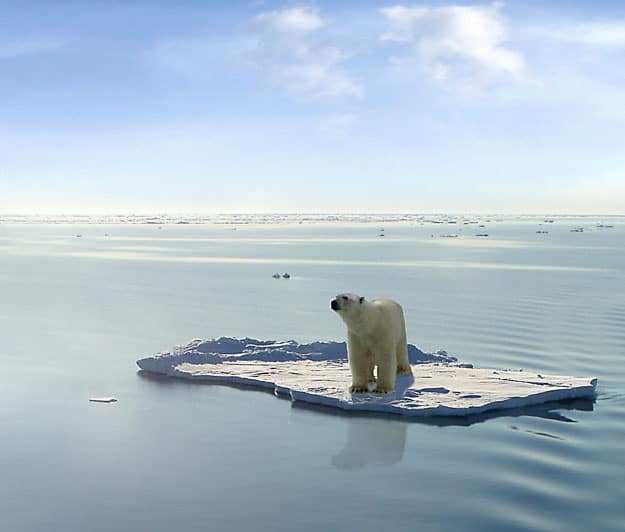
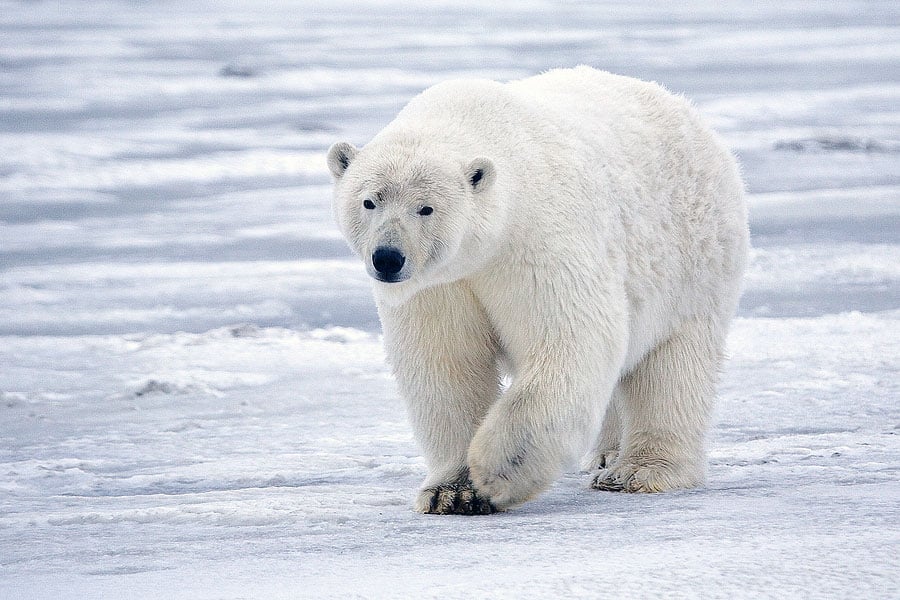
    Douglas Clark, a professor in the University of Saskatchewan’s School of Environment and Sustainability, has found that humans are doing more harm than good to polar bears in trying to ban hunting the animals.

  • Suzuki rallies environmental call to arms

    By October 31, 2013

    On Oct. 24, University of Saskatchewan students and faculty had the opportunity to hear from one of the world’s most renowned environmental activists, David Suzuki.

  • University of Alberta turns up heat on wildfire research

    By October 31, 2012

    The increased prevalence of wildfires over the past decade is becoming a concern for many Canadians. But a recently announced partnership between the University of Alberta and several provincial and national groups has ignited hope that something can be done to reduce instances of ferocious and costly fires that pose a danger to communities across the country.

  • Canada is a “hydro-climatic time bomb:” water policy expert calls for changes to counteract damages

    By October 14, 2011

    Kirk Hall was filled to the brim on Oct. 7 with both students and professionals for a lecture regarding water policy reform.

    The speaker was Rob Sandford, a member of the expert Forum for Leadership on Water, or FLOW. His address focused on the implications of climate change and its economic cost in relation to Canadian water resources.

  • Everything is bad or getting worse

    By September 22, 2011

    When considering the planet today, I feel the glass is half empty. A glass once filled with culture and wildlife has been drained. I see music stores, bookshops and postal services all going out of business. It all makes me feel like a grumpy old man.

  • The 100-mile diet: local eating is challenging, but rewarding

    By September 16, 2011

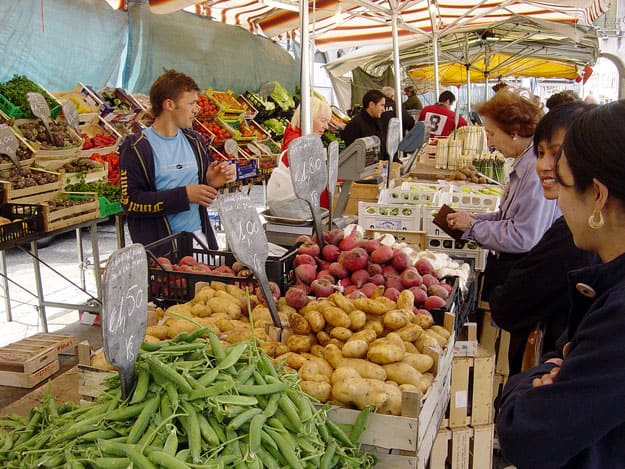
    Trying to eat food that wasn’t shipped across the world can be hard. This is even more so when you limit yourself to food grown within 100 miles. Especially in Saskatchewan ”” in the winter. But just because it is hard to make the transition doesn’t mean it’s not well worth it. Eating local is great for a variety of reasons: you get to support your local farmers and economy, reduce your carbon footprint and know where your food is actually coming from.