THE UNIVERSITY OF SASKATCHEWAN’S MAIN CAMPUS IS SITUATED ON TREATY 6 TERRITORY AND THE HOMELAND OF THE MÉTIS.

By The Sheaf March 22, 2012
This past November I lost my brother Lyndon Kenny to suicide.
Lyndon was a very good hockey player. He was drafted by the Brandon Wheat Kings of the Western Hockey League and he was not only a highly-skilled defenceman and strong skater, but also the toughest person I have ever known.
His final wish came in the form of an unsent text message intended for me. Lyndon wanted to have his brain donated to research at the Boston University School of Medicine so we could have the answers he had sought for years.
By Daryl Hofmann March 22, 2012
As the early-morning crush of buses loop through the Place Riel terminal, sleepy-eyed transit riders face their first test of the day — crossing the road.
The bustle of thousands of pedestrians darting between 80 to 100 buses per hour makes the University of Saskatchewan’s transit hub a deadly accident waiting to happen.
By Tomas Borsa March 14, 2012
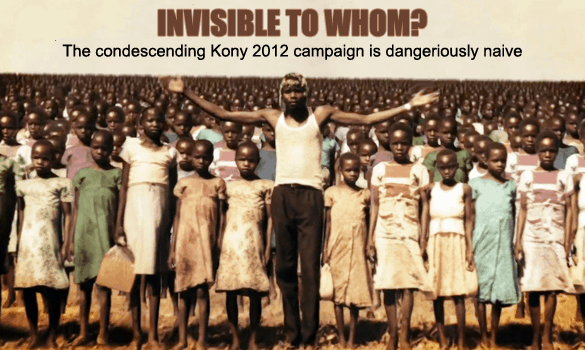
In the frantic race to be the first to re-post, tweet or share the meme du jour, the troubling subtext to the Kony 2012 campaign seemed lost in a misguided cloud of excitement. While the intentions of the nearly countless people who leaped at the opportunity to support Invisible Children’s mission are noble, good intentions do not make an act just. And if we are willing to contribute financially to a global manhunt that could easily result in an unforeseeable number of deaths, then I think we owe it to ourselves — not to mention the everyday Ugandans who would be most affected by such a campaign — to take a moment to analyze the campaign and its motives.
By Canadian University Press March 10, 2012
Almost 15 years after the death of Princess Diana, you can still buy plates and cups with her face on it on the streets of London.
People still mourn her. She was an icon. So it makes sense that she is still mourned. But what about the ordinary? The everyday people who die too soon without having left their mark on the world? Lately, they’ve been continually memorialized as well.
By Canadian University Press March 9, 2012
In 1988, Henry Morgentaler, an active pro-choice doctor, challenged Canada’s abortion restrictions in the Supreme Court of Canada, where they were found to be unconstitutional.
A year later, another case was brought to the Supreme Court in regards to fetal rights after a man tried to get an injunction to stop his ex-girlfriend from getting an abortion (Tremblay v. Daigle). The ruling declared that a fetus has no legal status in Canada as a person, in both Canadian common law and Quebec civil law.
By Jenna Mann March 2, 2012
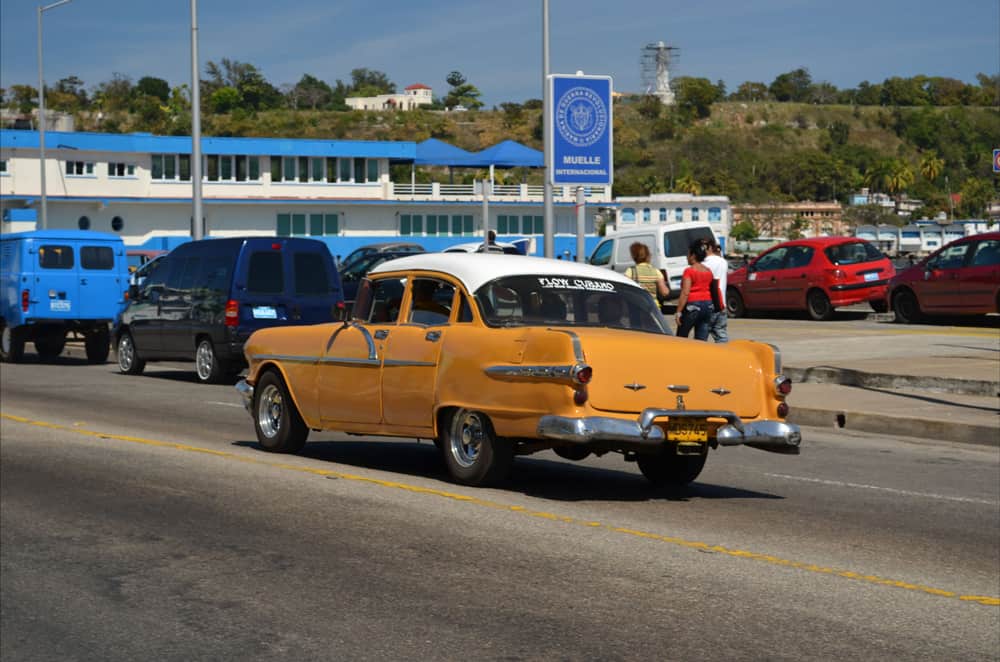
Travelling to Cuba is a lot like going back to the 1960s. Time seems to have stalled in this era, as seen in the bright paint jobs and classic builds of the cars on the street.
Even the prices seem from a previous decade. A 26-ounce bottle of white Havana Club Rum costs 3.80 Cuban pesos, roughly $4. People could drink the bottle — the entire bottle — and get behind the wheel, facing only a ticket for impaired driving and a slap on the wrist.
By Canadian University Press February 24, 2012
Fetish, kink, freak — whatever you call it, and whatever you feel about it — is actually everywhere.
Permeating our physical bodies, punctuating our pleasures and playing a real part in the power dynamics all around us, kinkiness remains as primal and passionate as we allow it to be — despite science, institutional and social expectations’ attempts to demoralize and shame it out of us.
By Canadian University Press February 24, 2012
A study presented at the American Psychological Association Symposium in 2000 stated that 87 per cent of college students report having “hooked up.” The vague term describes the type of encounters that have been replacing traditional dating on university campuses over the recent decades. The Fulcrum sat down with experts and students to learn why dating is out and hooking up is in.