THE UNIVERSITY OF SASKATCHEWAN’S MAIN CAMPUS IS SITUATED ON TREATY 6 TERRITORY AND THE HOMELAND OF THE MÉTIS.
THE UNIVERSITY OF SASKATCHEWAN’S MAIN CAMPUS IS SITUATED ON TREATY 6 TERRITORY AND THE HOMELAND OF THE MÉTIS.

space

  • By September 27, 2020

    Despite the challenge of working remotely, the USST is optimistic about its upcoming endeavours.

  • Space Team’s Mars rover a collaborative effort

    By February 27, 2014

    The challenges facing any prospective Mars colonists are hard to predict, but a team from the University of Saskatchewan is hoping to get a better idea.

  • Solar flare blackout: explosions on the Sun’s surface knock out University of Saskatchewan radar network

    By March 9, 2012

    A blast of energetic particles from the sun collided with Earth early Thursday, causing disruptions in all four of the University of Saskatchewan’s SuperDARN radars.

  • Space ‘burps’ offer clues on new galaxies: research focuses on how matter is ejected from black holes

    By February 13, 2012

    By pinpointing the exact moment when a black hole launched fast- moving material from the region surrounding it, a University of Alberta astronomer has uncovered an important clue for discovering how new galaxies are formed.

    The interaction of material ejected, or “burped,” from black holes with other gasses in space is fundamental to the creation of new galaxies, but Gregory Sivakoff’s research on how and when matter is ejected from the black hole gives insight to the origins of these processes.

  • Kicking asteroid ass: the second space race should be about protecting our planet, not exploring others

    By December 1, 2011

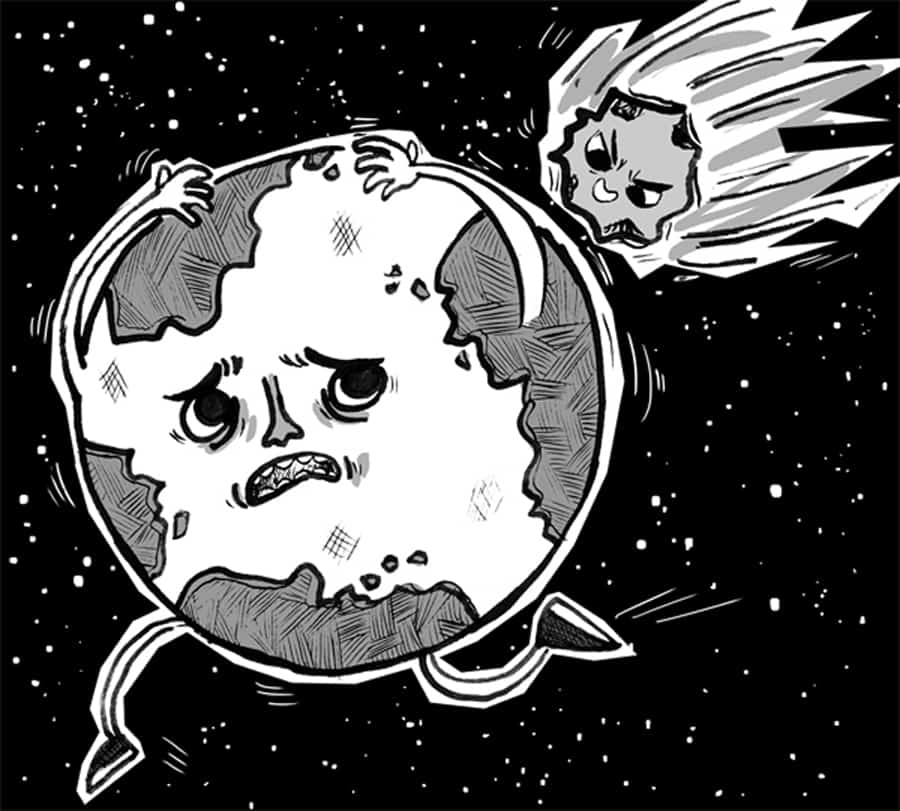
    Did you feel it? On Nov. 8, an asteroid brushed right by our little blue sphere in space, giving some of us a genuine scare. I’m not talking some dinky, burns-up-in-our-atmosphere asteroid we scoff at several times a day. We almost got hit by a 400-metre-wide clump of coal and space evil.

    Although we weren’t directly threatened, this time, this incident reminds us just how fragile our planet is, and how Earth has little to no defence plans in the event that an asteroid decides not to take the scenic route.

  • Snelgrove Gallery exhibitions explore the space in us and around us

    By November 9, 2011

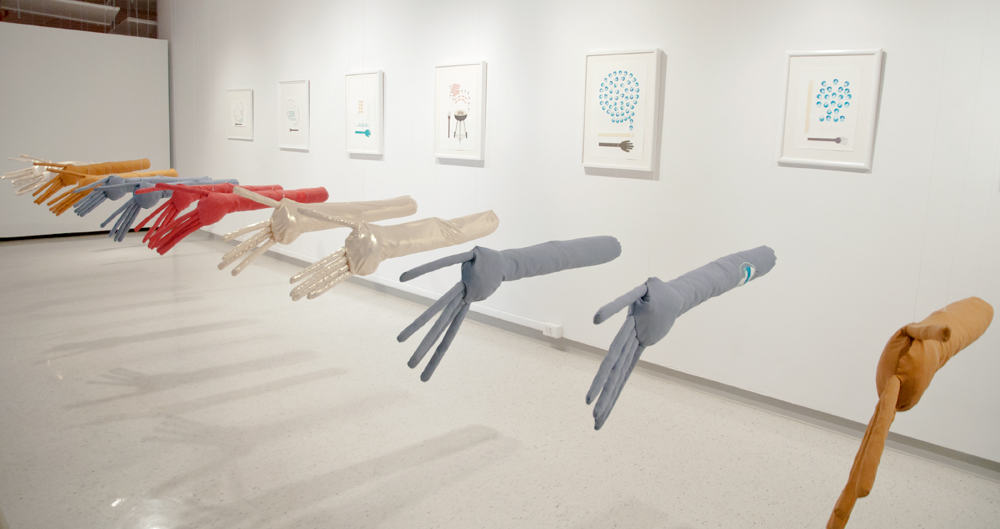
    Two graduates from the B.F.A. program, Vanya Hanson and Lindsay Klassen, both have something to say about the way we deal with the space around us, within us and even on us.

    Shell, the show by Vanya Hanson takes space and turns it into a mystifying playground. As I walked into the Snelgrove Gallery I was drawn by noises of echoes, bubbles, resonance and small speech. This place is as provocative as it is ambient: warm peaches, purples, oranges and beiges surrounded with accents of blue and green light. It is both alien and of-the-body.

  • Rogue satellite re-enters Earth’s atmosphere and breaks up

    By October 2, 2011

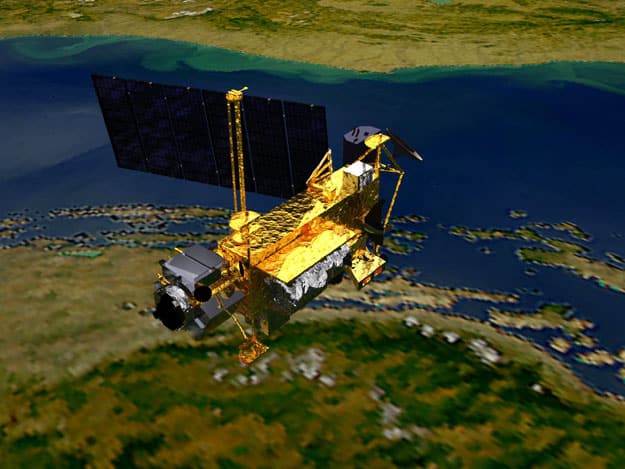
    Some time around midnight eastern time on Sept. 23, a decommissioned NASA satellite fell out of the sky — but nobody knows where.

    The Upper Atmosphere Research Satellite, or UARS, was launched in 1991. According to NASA, it was “the first multi-instrumented satellite to observe numerous chemical components of the atmosphere for better understanding of photochemistry.”

  • Turning our backs on the final frontier

    By August 13, 2011

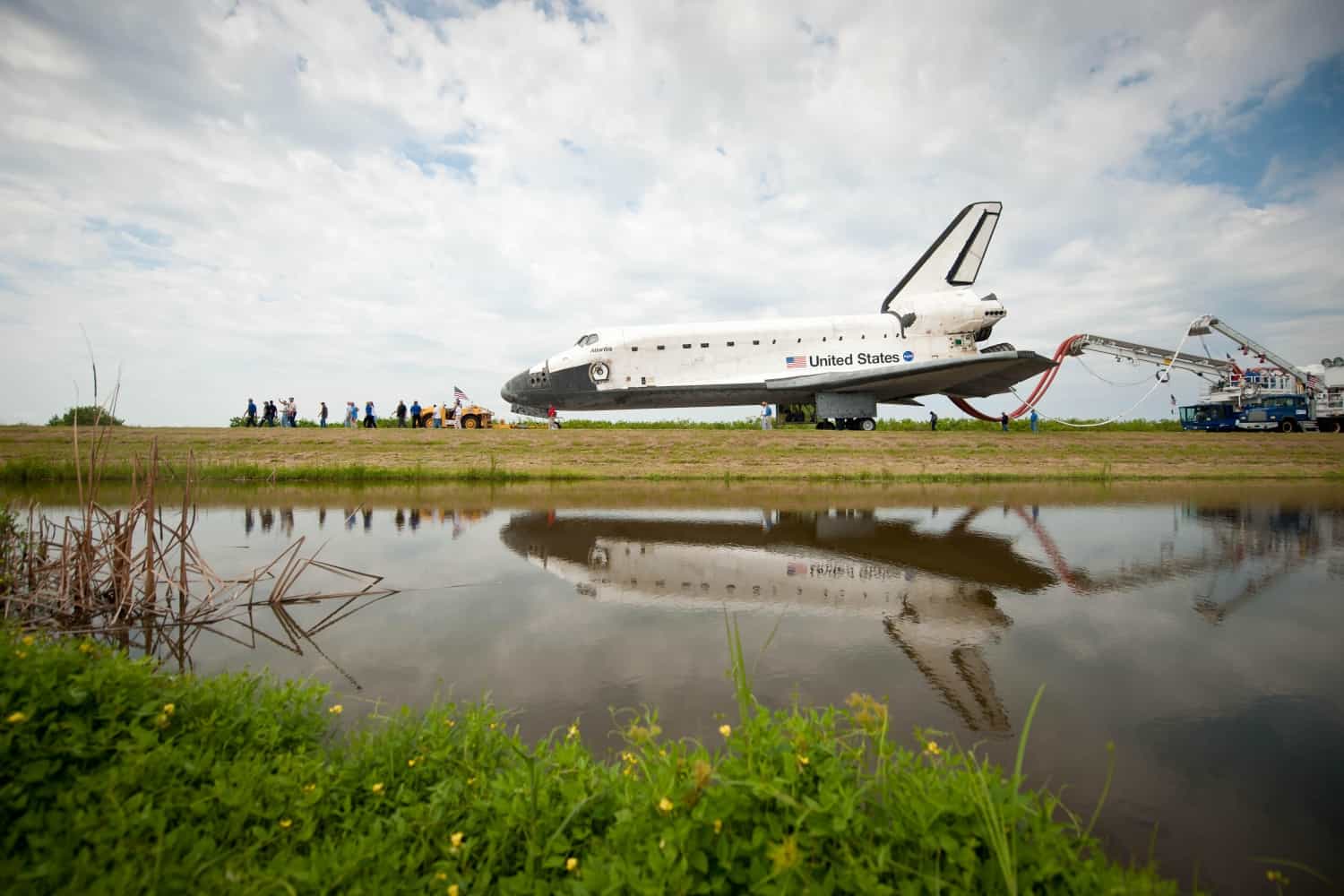
    The year is 2011. By now, we should have flying DeLoreans and alien overlords. In reality, 2011 only offers the same crap we saw last decade. What’s worse, 2011 marks the end of NASA’s manned space shuttle program.