THE UNIVERSITY OF SASKATCHEWAN’S MAIN CAMPUS IS SITUATED ON TREATY 6 TERRITORY AND THE HOMELAND OF THE MÉTIS.

THE UNIVERSITY OF SASKATCHEWAN’S MAIN CAMPUS IS SITUATED ON TREATY 6 TERRITORY AND THE HOMELAND OF THE MÉTIS.

sopa

  • By January 28, 2012

    Could it be that the recent surge in public interest marks a genuine societal shift toward an altogether more politically active and engaged form of citizenship? Unfortunately, no.

    Having flexed their sagging muscles of accountability, the less than two in three eligible Canadian voters who bother to turn up are then free to return to the more pressing matters in their life, like microwaving a burrito and updating their Twitter feed.

  • Wikipedia will go dark tonight for 24 hours in protest of SOPA and PIPA

    By January 17, 2012

    Today the Wikimedia Foundation announced that Wikipedia will be shut down for 24 hours, worldwide, beginning at 11:00 PM Central time.

    The black-out is in protest of the Stop Online Piracy Act (SOPA) in the and the PROTECT IP Act (PIPA), two pieces of proposed American legislation tabled in the U.S. Congress and U.S. Senate respectively.

  • New American copyright legislation jeopardizes gaming community

    By January 17, 2012

    The intention of new American copyright legislation (SOPA) is to stop online piracy, a legitimate problem, but the discretion given to the American law enforcement and companies is the most troubling part of the current bill. With SOPA, companies won’t have to pick their battles; in fact, there won’t be a battle to be fought. If you are in violation by their loosely defined parameters of infringement, you will cease to exist on the Internet.

    While SOPA will affect every facet of entertainment, SOPA most jeopardizes the robust community sustaining the gaming industry.

  • A tattered web: how censorship could cripple the Internet

    By January 11, 2012

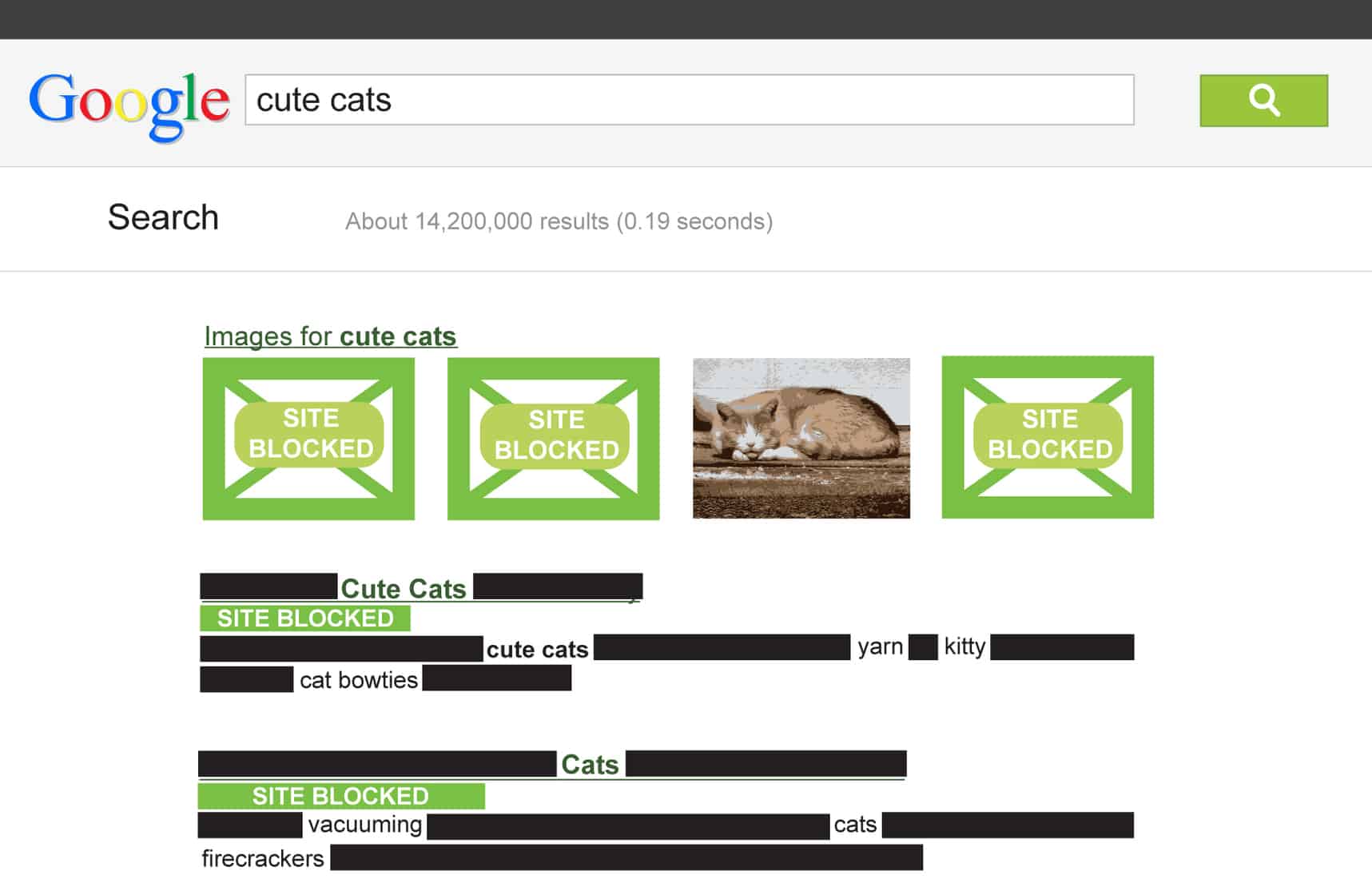
    The web’s hyperlink structure works kind of like the synapses in your brain, or the blood vessels in your circulatory system. Everything is interconnected, designed to pass information back and forth, sometimes in multiple directions simultaneously. It can be mind-bogglingly complex but it works because there are relatively few blockages. People can traverse the web how they see fit.

    But imagine what would happen if massive swaths of these connections suddenly blinked offline. This is the risk posed by the Stop Online Piracy Act, a bill introduced in the U.S. Congress in October of last year that is scheduled to be voted on by Jan. 24 this year.