THE UNIVERSITY OF SASKATCHEWAN’S MAIN CAMPUS IS SITUATED ON TREATY 6 TERRITORY AND THE HOMELAND OF THE MÉTIS.
THE UNIVERSITY OF SASKATCHEWAN’S MAIN CAMPUS IS SITUATED ON TREATY 6 TERRITORY AND THE HOMELAND OF THE MÉTIS.

human rights

  • By January 14, 2020

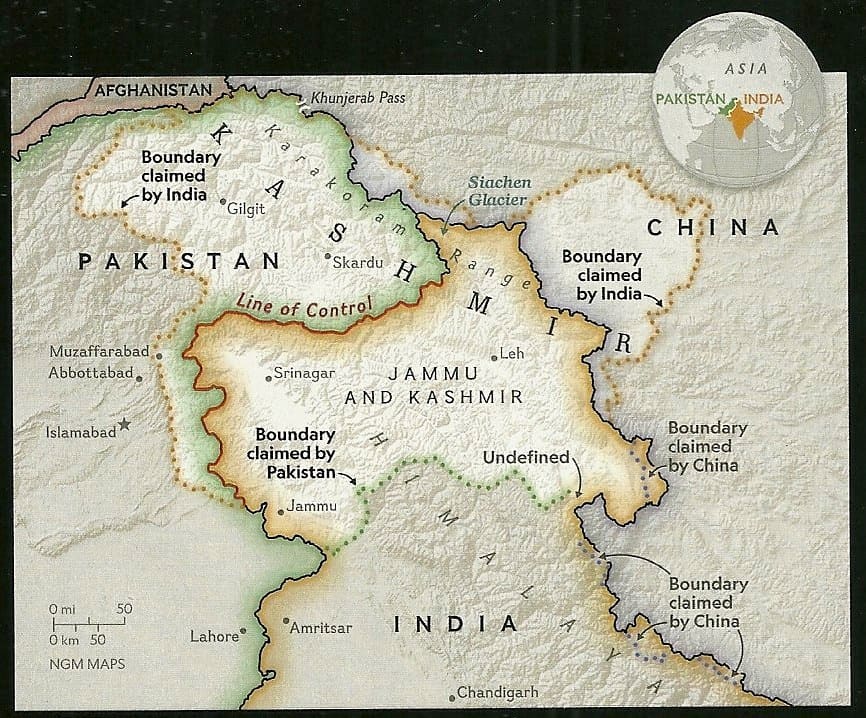
    There is growing turmoil in the region with the annexation of Kashmir and the introduction of the CAA in India.

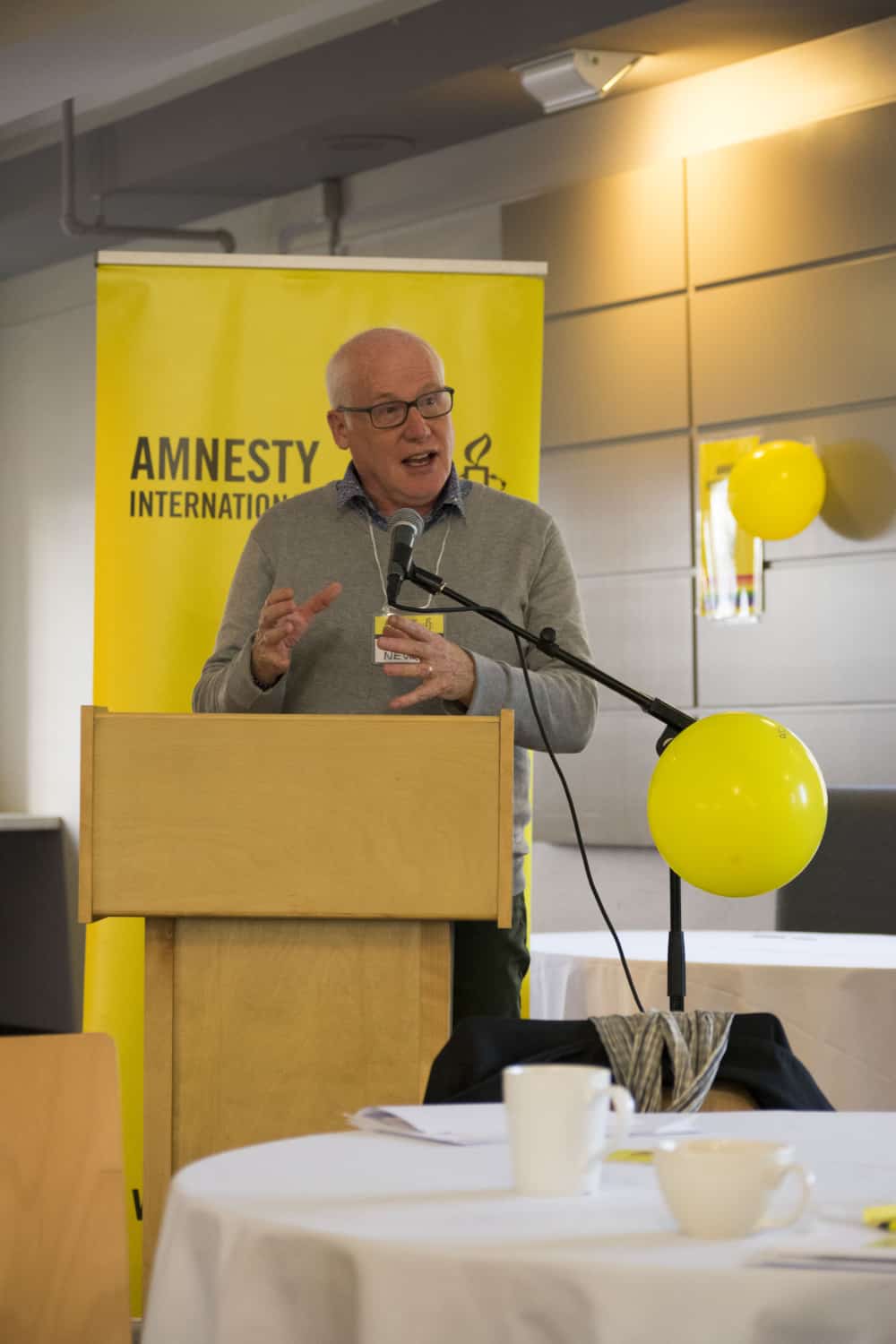
  • Amnesty event sparks conversation on human rights violations by Canadian companies

    By November 21, 2019

    Global activist group aims to center the conversation around local awareness.

  • World lacks decisive action despite rise of internment camps in China and US

    By October 30, 2019

    It can be hard to fathom how the world let atrocities happen — until you see it repeated today.

  • U of S expands non-discrimination policy

    By March 28, 2014

    The University of Saskatchewan has added gender identity, gender expression and two-spirit identities to its Discrimination and Harassment Prevention Policy.

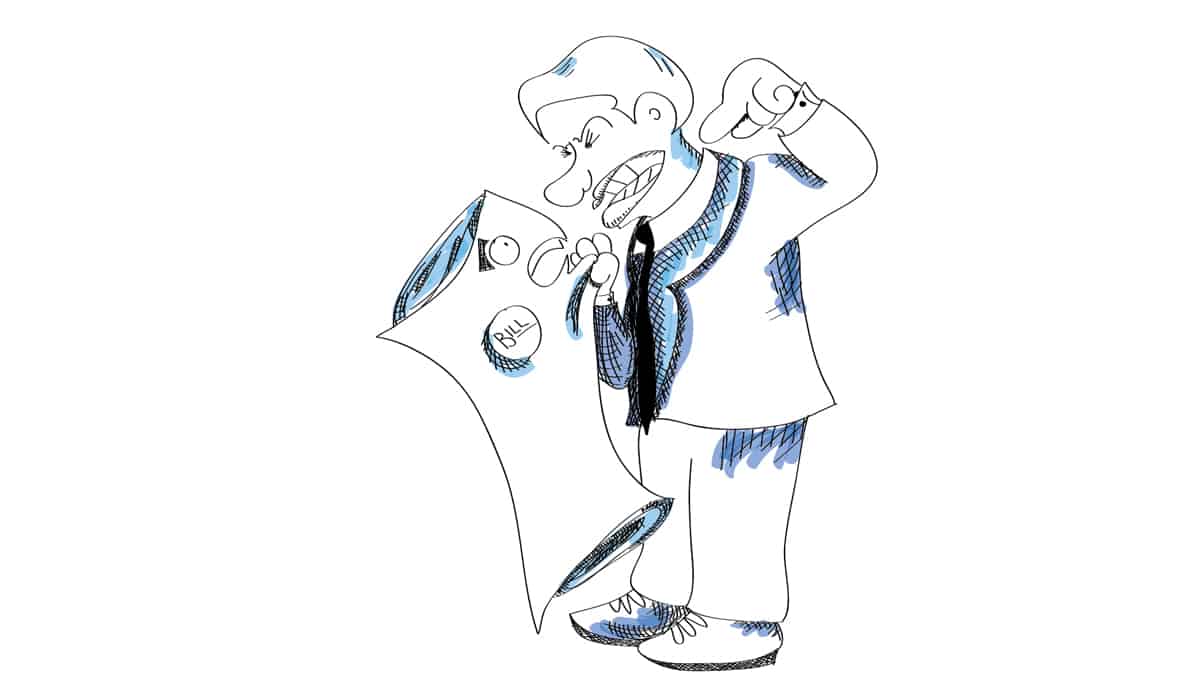
  • Refugee law reform begins with grassroots efforts

    By March 2, 2014

    Alex Neve, secretary general of Amnesty International Canada, has been instrumental in exposing Canada’s human rights issues — especially his subjects of passion: refugee and immigrant law.

  • The Olympic games: politics and controversy

    By January 31, 2014

    The controversies surrounding the upcoming games in Sochi, Russia are just the newest in a long saga of unrest accompanying what is meant to be the greatest exhibit of athleticism in the world.

  • Learning your ABC’s: Addressing Bullying in Canada

    By December 1, 2012

    We are all the answer to the bullying problem. If you have the drive to make someone feel bad about him or herself through manipulation, physical or emotional abuse, or blackmail, ask yourself, “Why?” Stop bullying when you see it and encourage others to do the same.

  • Human rights campaigner Grahame Russell says Canada’s mining giants exploit the South

    By January 25, 2012

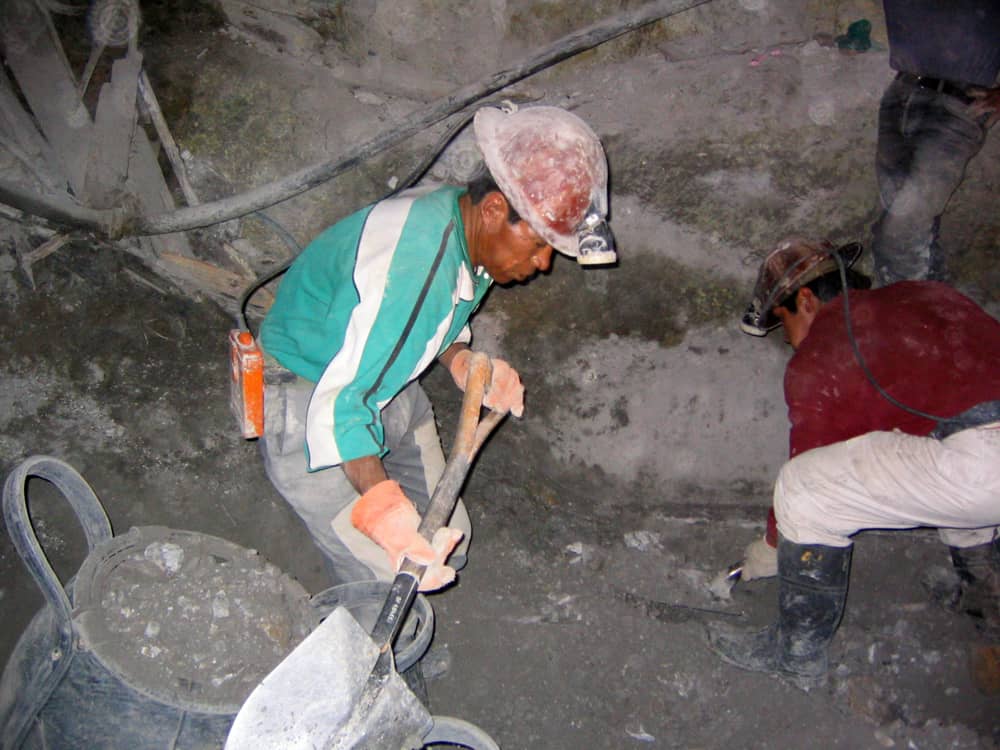
    For many pampered Canadians, it is difficult to imagine a foreign company evicting an entire community, claiming the land for mining purposes and doing so without any form of government intervention.

    Sadly, this is the reality for thousands of displaced families living in South America — and at least 500,000 people in Guatemala alone. What’s even more difficult to fathom is that a handful of these mining companies are Canadian. Also surprising is that Canadian citizens greatly benefit from investments in these companies — perhaps in ways they haven’t considered.

    According to Canadian human rights activist Grahame Russell, this is only one example of “global economic order” at work.