THE UNIVERSITY OF SASKATCHEWAN’S MAIN CAMPUS IS SITUATED ON TREATY 6 TERRITORY AND THE HOMELAND OF THE MÉTIS.
THE UNIVERSITY OF SASKATCHEWAN’S MAIN CAMPUS IS SITUATED ON TREATY 6 TERRITORY AND THE HOMELAND OF THE MÉTIS.

2011 Saskatchewan provincial election

  • By November 24, 2011

    The day after the Nov. 7 election was a day of rest for many people, but for a University of Saskatchewan research team, the work was just beginning. That day, the first calls went out from the newly established Social Responsibility Research Laboratory to ask over a thousand Saskatchewan residents why they had voted the way they did.

  • Presence of women, students in legislature is lacking

    By November 10, 2011

    Only nine of the province’s 58 seats in the legislature will be held by female candidates following the Nov. 7 election. This is a drop from the 14 female MLAs who sat in the legislature prior to the campaign.

    In addition, of the dozen or so student candidates running in various parties, only one, Jennifer Campeau of the Sask. Party, won a seat.

  • Whither the third parties? Greens and Liberals fail to capture any seats

    By November 9, 2011

    Both the Green Party of Saskatchewan the Saskatchewan Liberal Party failed to capture a seat on Nov. 7.

    This election seemed to mark the death throes of the once-mighty provincial Liberals. Six of the first nine premiers of Saskatchewan were Liberals but the party has been in long-term decline since the 1970s and only ran nine candidates this year. Much of the party’s support now rests with the centre-right Sask. Party.

  • Saskatchewan’s low voter turnout still higher than other provinces

    By November 9, 2011

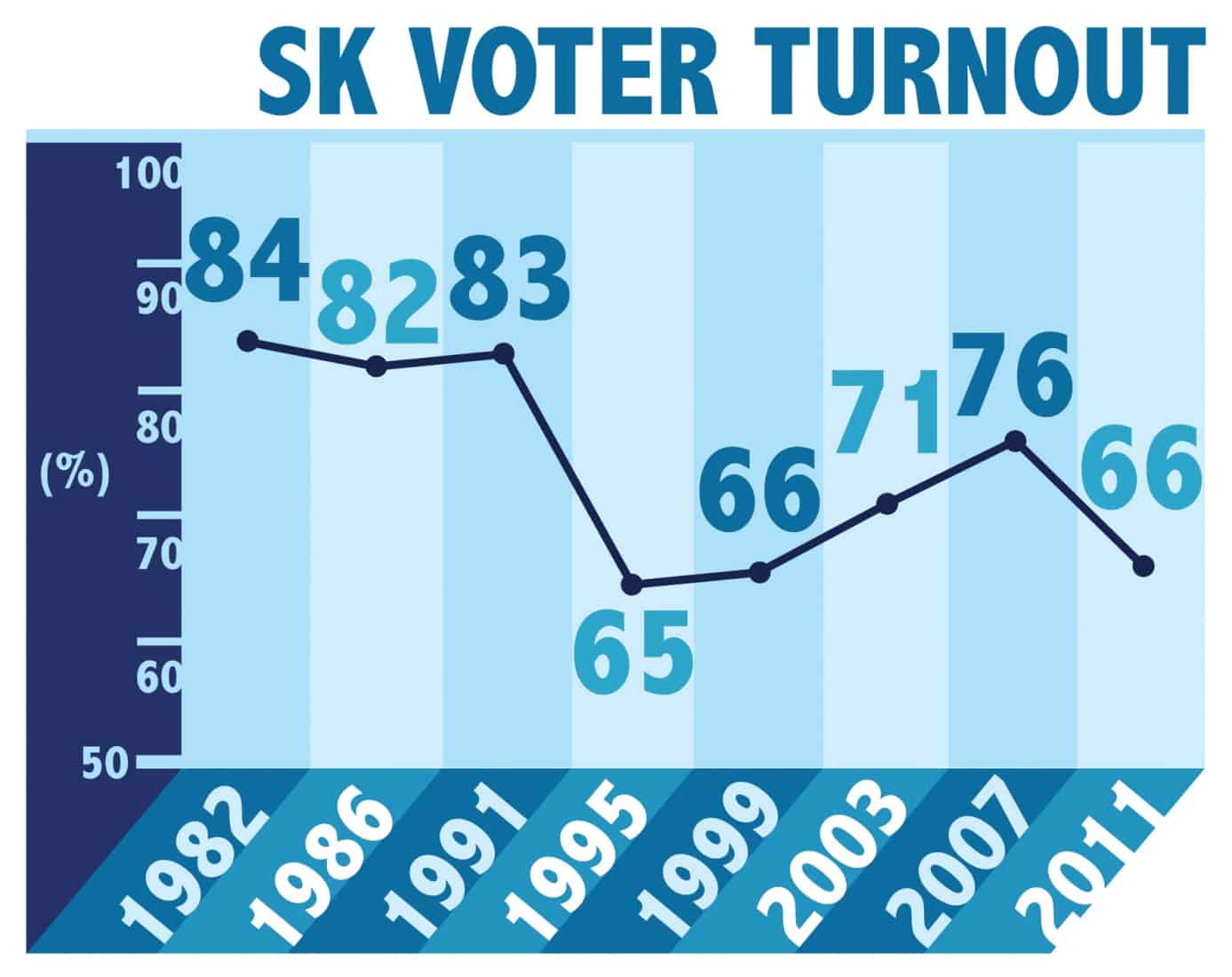
    Leading up to the election, the Sask. Party polled an astonishing 40 points ahead of the NDP, and was even leading them in the traditional NDP strongholds of Saskatoon and Regina. Perhaps in part because of this, voter turnout dropped from 2007’s 76 per cent down to 66 per cent.

    Despite this precipitous decline, Saskatchewan still saw a higher turnout than many provinces. Manitoba and Ontario, which both had elections earlier this fall, had respective turnout rates of 57 per cent and 42.9 per cent.

  • NDP incurs devastating losses; Lingenfelter steps down

    By November 9, 2011

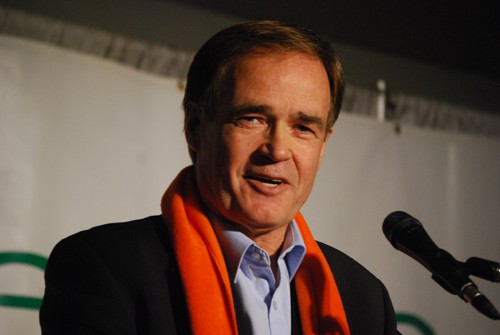
    In its worst placement since 1982, the NDP lost 11 seats and saw its vote share dip by five per cent. Reduced to nine Members of the Legislative Assembly, the opposition caucus faces an uncertain future. Party leader Dwain Lingenfelter was defeated in Regina Douglas Park. He is the first provincial NDP or Co-operative Commonwealth Federation leader in Saskatchewan history to ever lose his seat.

  • Wall and Sask. Party garner biggest election win in province’s history

    By November 9, 2011

    In an election that delivered precisely what was expected, the Saskatchewan Party handily won a second majority on Nov. 7.

    The Sask. Party picked up 64 per cent of the popular vote across the province, breaking the previous record for a single party’s share of the vote. That record was set in the 1912 election, when Walter Scott led the Liberal Party to a victory with just under 60 per cent of the vote.

  • Politics 2.0: PR firm rolls out election-predicting app, website for Saskatchewan

    By November 3, 2011

    Predicting the results of provincial elections has never been easier, thanks to a new application available online and for smartphones.

    The election predictor, created by public relations company Hill and Knowlton Canada, allows individuals to make predictions by either splitting or swinging votes between different parties.

  • USSU releases political priorities shortly before election

    By November 2, 2011

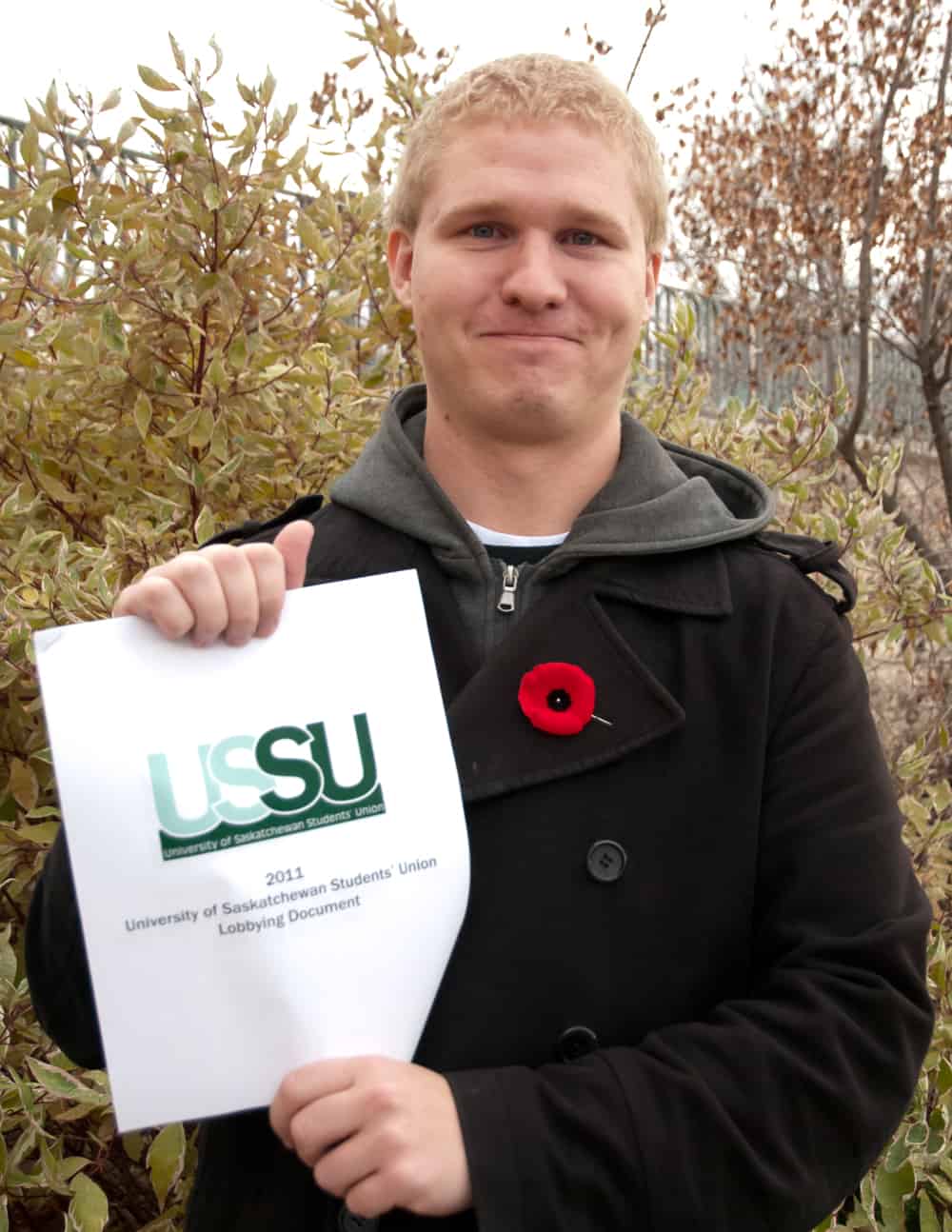
    With less than two weeks to go before the provincial election, the University of Saskatchewan Students’ Union released a document outlining its demands of the provincial political parties.

    The timing was unusual for a document of its type, which groups usually use to extract promises from campaigning politicians desperate to curry favour with the electorate. USSU President Scott Hitchings acknowledged as much, saying the external affairs board he chairs got off to a late start this year.