
THE UNIVERSITY OF SASKATCHEWAN’S MAIN CAMPUS IS SITUATED ON TREATY 6 TERRITORY AND THE HOMELAND OF THE MÉTIS.
THE UNIVERSITY OF SASKATCHEWAN’S MAIN CAMPUS IS SITUATED ON TREATY 6 TERRITORY AND THE HOMELAND OF THE MÉTIS.
As the clock counts down to 2010, we look back on a decade that gave us the iPod, Toyota Prius and Miley Cyrus.
Although these are undoubtedly great engineering achievements, they did not define the decade. When historians look back on the 2000s, it will likely be seen as a decade of violence and unrest.
The 2000s started out with great promise. The Cold War had long been over and the great powers of the world seemed more interested in looking inward rather than outward. In the United States, George W. Bush swept into office — albeit after a contested election victory — promising a humble foreign policy that avoided foreign adventures and nation building.
“If we’re an arrogant nation, they’ll resent us; if we’re a humble nation, but strong, they’ll welcome us,” Bush said during a presidential debate against Al Gore. “And our nation stands alone right now in the world in terms of power, and that’s why we’ve got to be humble, and yet project strength in a way that promotes freedom.”
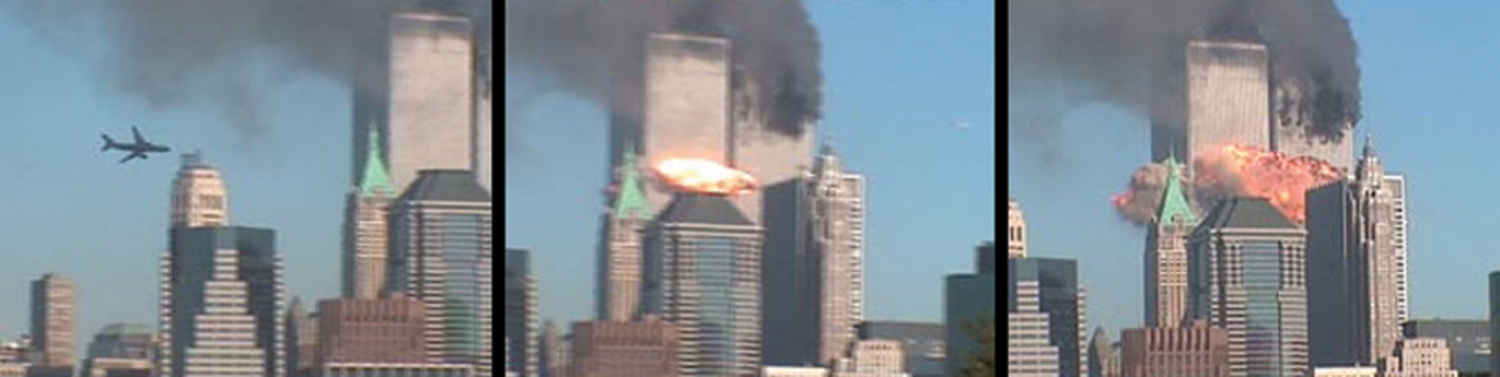
However, as we all know, this changed with the attacks of Sept. 11, 2001. Almost 3,000 people died in the attacks as two gleaming symbols of American power and prestige collapsed unto themselves. The last attack on American soil had been Pearl Harbor, which had killed fewer people than 9-11, and offered an obvious enemy against which to retaliate. But in the aftermath of 9-11, there was no clear way forward.
The anger over 9-11 rightfully led to the overthrow of the Taliban in Afghanistan, which Canada joined in, but it didn’t stop there. The humility Governor Bush spoke of was gone, replaced by President Bush’s “with us or against us” style of diplomacy. Instead of focusing on rebuilding a country ravaged by decades of civil war, the United States turned its bloodlust on Iraq, almost losing both countries to extremism in the process.
As the lone superpower continued its aggressive campaigns overseas that cost both blood and treasure, it also lost its moral authority. Preemptive war, torture, kidnapping and indefinite imprisonment all tarnished America’s image. Guantanamo, Abu Ghraib and now Bagram prison in Afghanistan are all examples of what happens when an empire overstretches itself financially, militarily and morally. (It now appears Canada may also have been complicit in the torture of detainees in Afghanistan, which reflects poorly on us as a nation.)
Throw in the financial crisis of 2008 and its ongoing effects, and the 2000s were a lost decade for Americans.
But where America failed, others are stepping in. The rise of Asian economies, led by China and India, mean that the world’s balance of power may be shifting. Likewise, Brazil and Russia are increasingly flexing their economic (and sometimes military) muscles. The recent election of a president and foreign minister for the European Union could mean that the next decade will see a more even distribution of power and influence around the world.
Despite the recession, the world’s economies are more integrated than ever. And though the economic aspects of globalization always seem most prominent, the political and social aspects have worked to make our world more interconnected and interdependent than ever before.
There are many challenges looming in the 2010s, including global issues such as climate change, and though new power centres have emerged the world still only has its sole superpower in the United States. Still, one can’t help but feel hopeful that in the next decade, especially with a more moderate American president, we will not repeat some of the mistakes that made the 2000s such a tumultuous time.
– –
image: Wikimedia Commons
Leave a Reply