THE UNIVERSITY OF SASKATCHEWAN’S MAIN CAMPUS IS SITUATED ON TREATY 6 TERRITORY AND THE HOMELAND OF THE MÉTIS.
THE UNIVERSITY OF SASKATCHEWAN’S MAIN CAMPUS IS SITUATED ON TREATY 6 TERRITORY AND THE HOMELAND OF THE MÉTIS.
technology

  • By August 25, 2012

    A survey released Aug. 9 by communications startup Mobilicity indicates more than half of randomly selected Canadians agree that mobile phones are an “invaluable” tool for students. The findings point to what former chief culture and technology strategist at the University of Toronto Mark Federman calls “the emergence of contemporary education and social learning.”

  • The ethics of Internet piracy

    By February 12, 2012

    Should I refuse to read a pirated book? Was I receiving stolen goods, as advocates of stricter laws against Internet piracy claim?

    If I steal someone’s book the old-fashioned way, I have the book, and the original owner no longer does. I am better off, but she is worse off. When people use pirated books, the publisher and the author often are worse off – they lose earnings from selling the book.

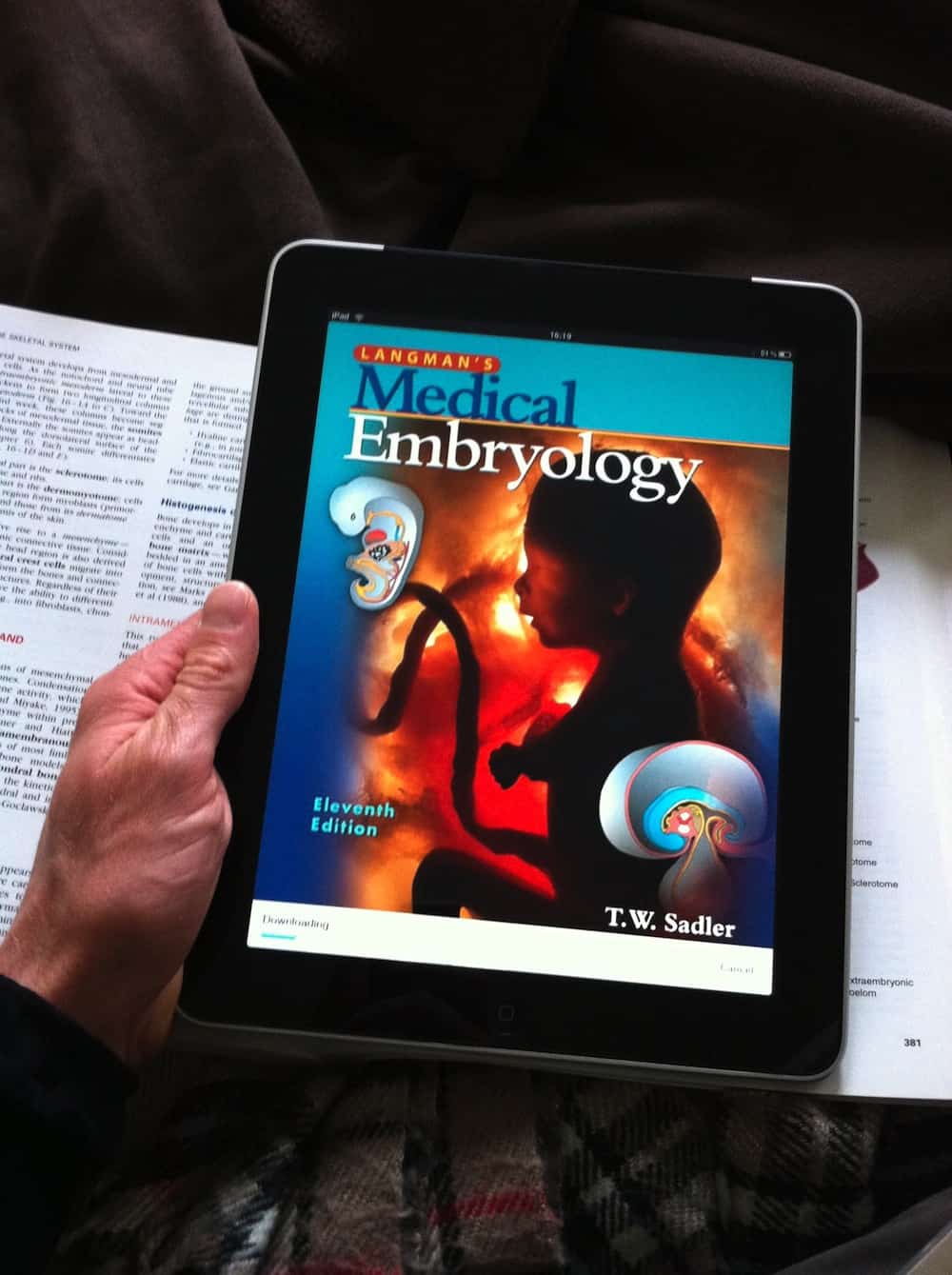
  • Tablets vs. textbooks: e-textbooks are not necessarily as cost-effective as expected

    By February 6, 2012

    While tablets and e-readers undoubtedly offer an advantage for avoiding the lines on campus to buy new and second-hand books — typically ranging from $200-$500 — are they worth the investment?

  • University of Calgary professors develop method to help clean tailings pond water

    By January 20, 2012

    What started in 2009 as a side project with low expectations has quickly yielded impressive results and garnered funding from the National Sciences and Engineering Research Council of Canada.

    University of Calgary biochemistry professor Raymond Turner began working with Howard Ceri, a U of C biology professor, on creating a biofilm that would assist in the detoxification and reclamation of some tailings pond water left over after oil sands excavation.

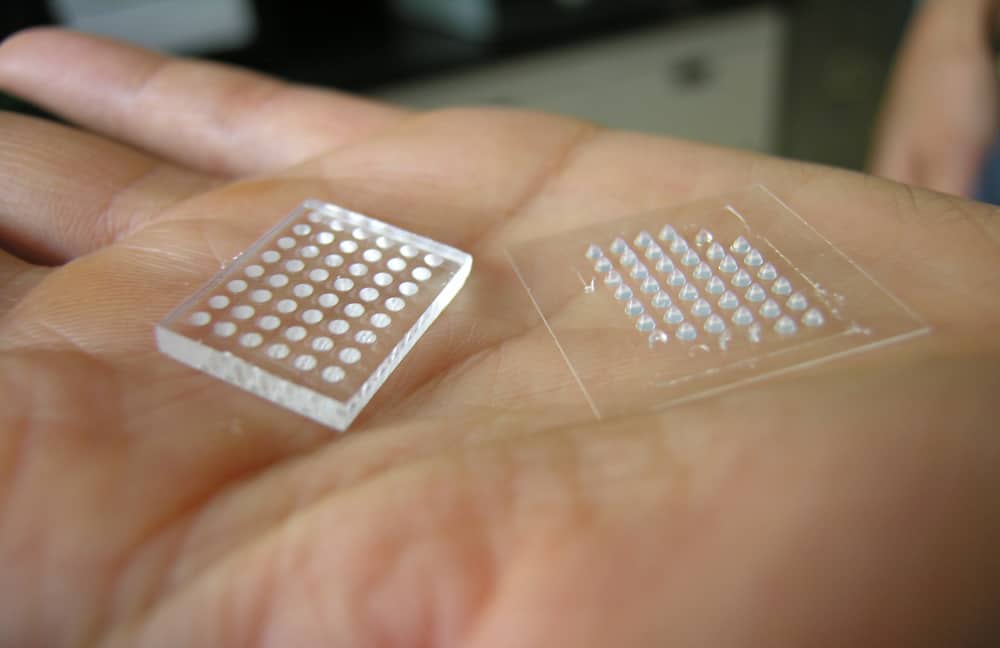
  • Where nanotechnology and medicine meet: scientists shrink medical tests, makes them more affordable

    By January 4, 2012

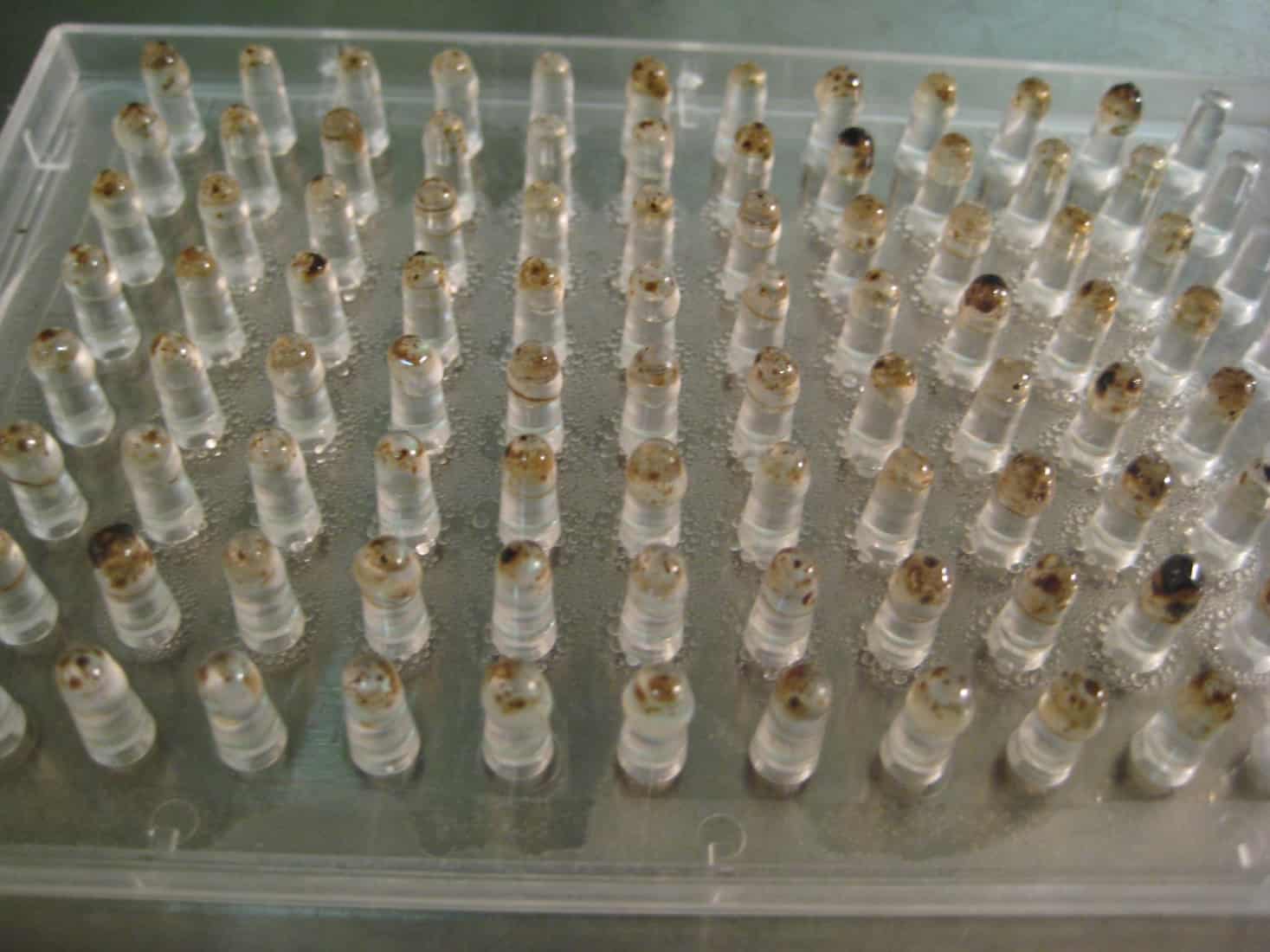
    In a rural medical office, only the bare minimum of medical technology is either affordable or practical, and doctors rely on their own diagnostic skills rather than the expensive tests that doctors at urban centres can more easily access. In the absence of proper equipment from which many urban doctors benefit, rural patients can be misdiagnosed or mistreated due to the impracticality of running the gamut of tests on them.

    Linda Pilarski, a University of Alberta oncology professor and Canada Research Chair in Biomedical Nanotechnology, has been working since 1998 to change this.

  • Follow the evidence: studies show cellphones don’t cause cancer

    By October 29, 2011

    A new Danish study, published in the British Journal of Medicine, shows conclusively that there is no link between cellphone usage and brain cancer. And it won’t change anything.

    The problem is that once you take on a belief like cellphones causing cancer, scientific evidence won’t easily sway you. The same goes for people who think vaccines cause autism or that climate change is a huge scam perpetrated by greedy governments and windmill makers.

  • U of S updates wireless security, removes unprotected network

    By September 14, 2011

    The University of Saskatchewan’s campus-wide wireless Internet service is a little safer after the removal of one network.

    “Because the wireless network named ”˜uofs’ was not secure, this network is no longer accessible,” a recent university memo said.

  • Digging into Terraria unearths a hidden gem

    By September 12, 2011

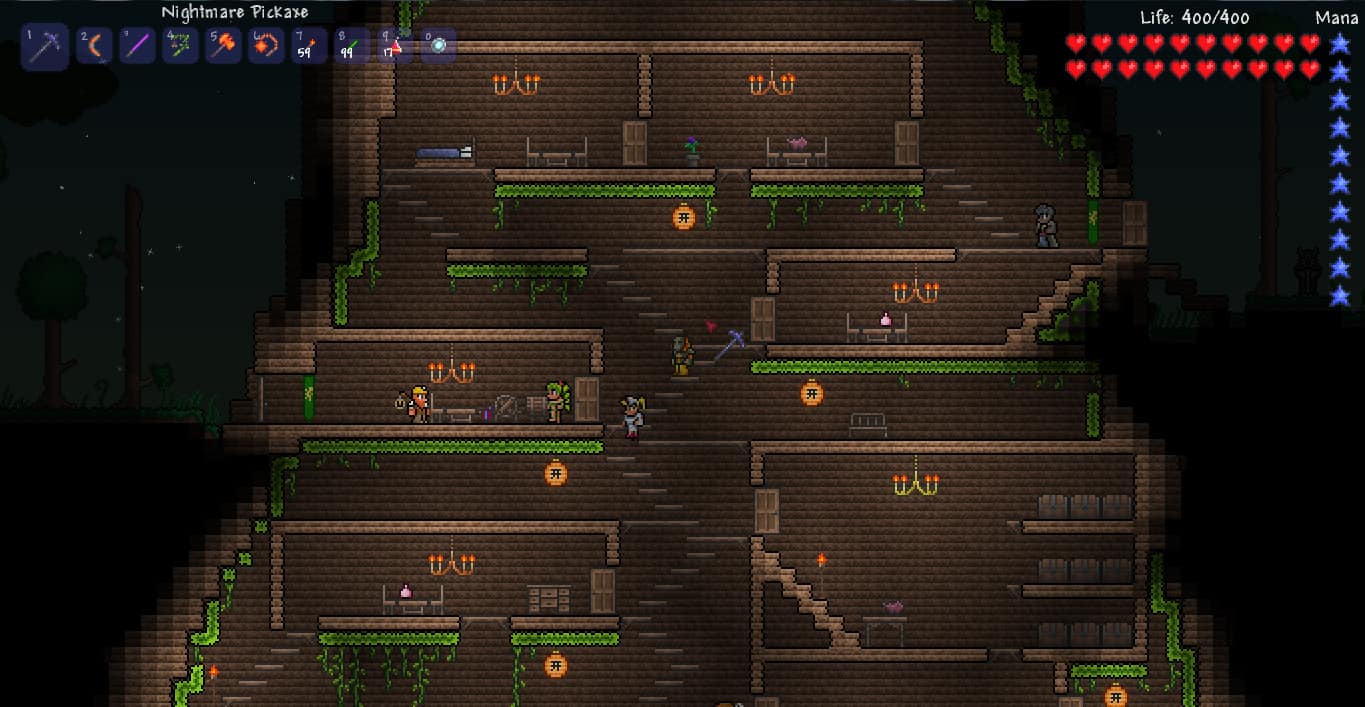
    In the beginning, I wasn’t sure what I was supposed to be doing in Terraria. There is no tutorial ”” instead the developers plopped my 2D self onto the surface of the world and left me to fend for myself. And then the zombie came.