THE UNIVERSITY OF SASKATCHEWAN’S MAIN CAMPUS IS SITUATED ON TREATY 6 TERRITORY AND THE HOMELAND OF THE MÉTIS.

By Anna-Lilja Dawson August 24, 2012
A protein found in semen has been shown to cause the female brain to trigger ovulation.
An international team of scientists led by University of Saskatchewan veterinary biomedical sciences professor Gregg Adams made the discovery and published their findings Aug. 20 in Proceedings of the National Academy of Sciences.
By Daryl Hofmann March 9, 2012
A blast of energetic particles from the sun collided with Earth early Thursday, causing disruptions in all four of the University of Saskatchewan’s SuperDARN radars.
By Canadian University Press February 13, 2012
By pinpointing the exact moment when a black hole launched fast- moving material from the region surrounding it, a University of Alberta astronomer has uncovered an important clue for discovering how new galaxies are formed.
The interaction of material ejected, or “burped,” from black holes with other gasses in space is fundamental to the creation of new galaxies, but Gregory Sivakoff’s research on how and when matter is ejected from the black hole gives insight to the origins of these processes.
By Canadian University Press February 6, 2012
The leaders of several top virology labs have agreed to a 60-day halt on research involving new strains of avian influenza that are more transmissible in mammals. The agreement was spearheaded by Ron Fouchier, a Dutch virologist and the lead author of a controversial study on bird flu, currently in press at Science.
By Tannara Yelland January 20, 2012
What started in 2009 as a side project with low expectations has quickly yielded impressive results and garnered funding from the National Sciences and Engineering Research Council of Canada.
University of Calgary biochemistry professor Raymond Turner began working with Howard Ceri, a U of C biology professor, on creating a biofilm that would assist in the detoxification and reclamation of some tailings pond water left over after oil sands excavation.
By Canadian University Press January 5, 2012
Imagine if all the hours you spent moving coloured blocks on Tetris or cultivating wheat on FarmVille actually led to something productive — terminal disease research, perhaps?
Two McGill University academics are tapping into our appreciation for simple video games in order to further research into illnesses like cancer, Alzheimer’s and diabetes.
By Tannara Yelland January 4, 2012
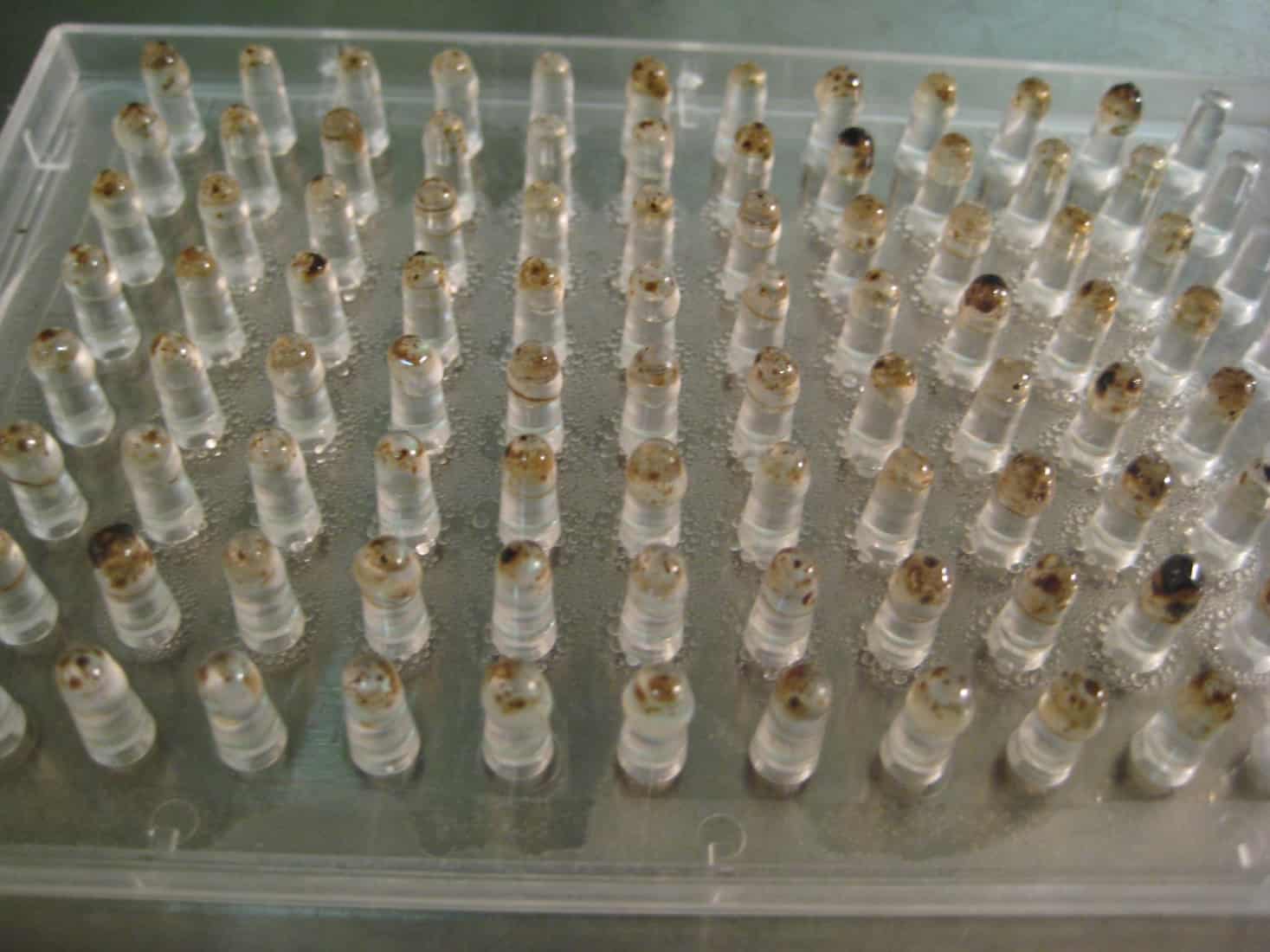
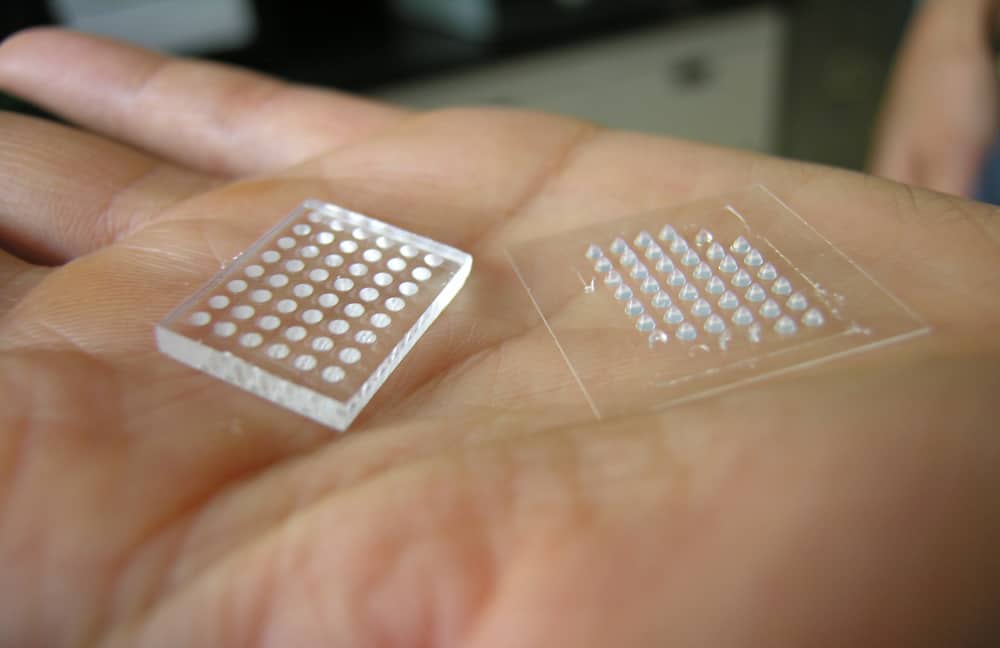
In a rural medical office, only the bare minimum of medical technology is either affordable or practical, and doctors rely on their own diagnostic skills rather than the expensive tests that doctors at urban centres can more easily access. In the absence of proper equipment from which many urban doctors benefit, rural patients can be misdiagnosed or mistreated due to the impracticality of running the gamut of tests on them.
Linda Pilarski, a University of Alberta oncology professor and Canada Research Chair in Biomedical Nanotechnology, has been working since 1998 to change this.
By Canadian University Press December 1, 2011
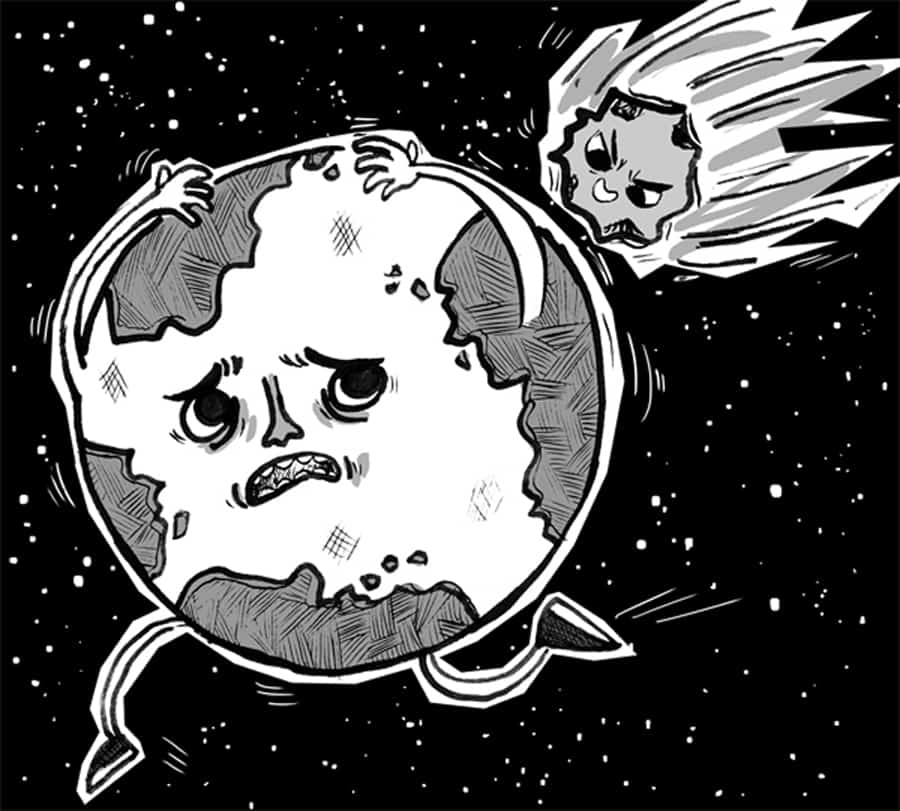
Did you feel it? On Nov. 8, an asteroid brushed right by our little blue sphere in space, giving some of us a genuine scare. I’m not talking some dinky, burns-up-in-our-atmosphere asteroid we scoff at several times a day. We almost got hit by a 400-metre-wide clump of coal and space evil.
Although we weren’t directly threatened, this time, this incident reminds us just how fragile our planet is, and how Earth has little to no defence plans in the event that an asteroid decides not to take the scenic route.