THE UNIVERSITY OF SASKATCHEWAN’S MAIN CAMPUS IS SITUATED ON TREATY 6 TERRITORY AND THE HOMELAND OF THE MÉTIS.
THE UNIVERSITY OF SASKATCHEWAN’S MAIN CAMPUS IS SITUATED ON TREATY 6 TERRITORY AND THE HOMELAND OF THE MÉTIS.
NASA

  • By November 26, 2014

    In the Messier 82 (M82) Galaxy 12 million light years away, there’s a stellar fight taking place between a star and its deceased neighbour. NASA has reached out to Jeanette Gladstone, the University of Alberta Observatory’s director of public education and outreach, to give expert analysis of the event.

  • Space ‘burps’ offer clues on new galaxies: research focuses on how matter is ejected from black holes

    By February 13, 2012

    By pinpointing the exact moment when a black hole launched fast- moving material from the region surrounding it, a University of Alberta astronomer has uncovered an important clue for discovering how new galaxies are formed.

    The interaction of material ejected, or “burped,” from black holes with other gasses in space is fundamental to the creation of new galaxies, but Gregory Sivakoff’s research on how and when matter is ejected from the black hole gives insight to the origins of these processes.

  • U of S space team competing to launch satellite

    By January 19, 2012

    The year was 2010 at the second annual Japan Space Elevator Technology and Engineering Competition. The University of Saskatchewan Space Design Team had sent a team of people there to compete. Their goal? To build and operate a robotic “climber” that can climb up and then back down 300 metres of cable faster than any other team.

    It was no small task, to say the least, and the first attempt ended with the climber crashing back to Earth. But thanks to the ingenuity of the team, they got it repaired and won the competition; their final speed was four times faster than the next team, at a cool 57 kilometres an hour.

  • Kicking asteroid ass: the second space race should be about protecting our planet, not exploring others

    By December 1, 2011

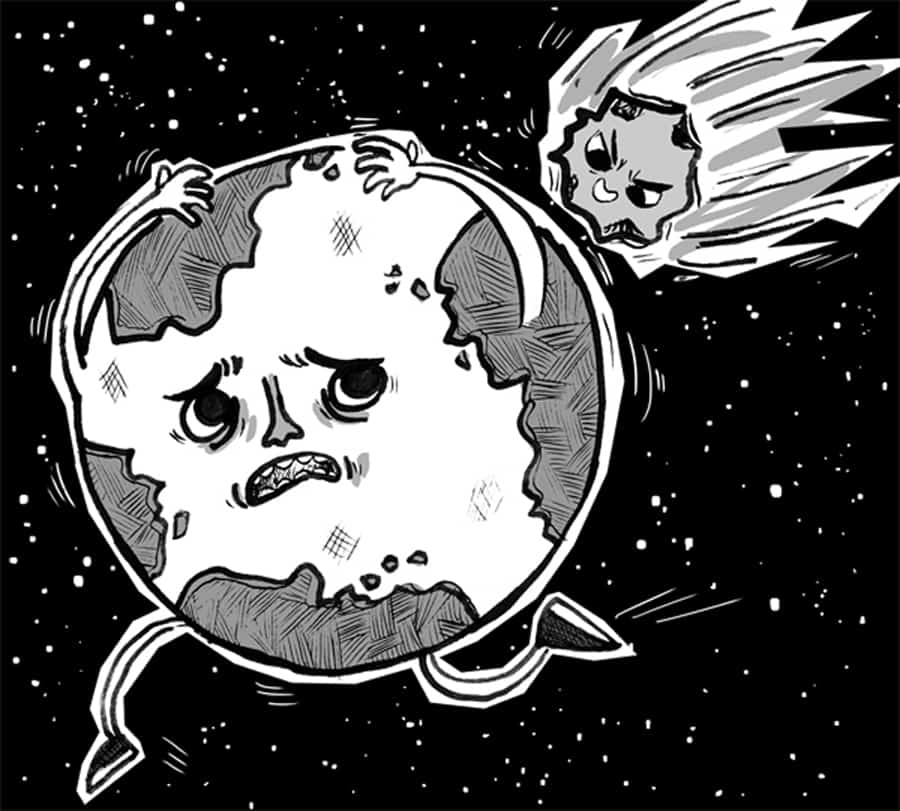
    Did you feel it? On Nov. 8, an asteroid brushed right by our little blue sphere in space, giving some of us a genuine scare. I’m not talking some dinky, burns-up-in-our-atmosphere asteroid we scoff at several times a day. We almost got hit by a 400-metre-wide clump of coal and space evil.

    Although we weren’t directly threatened, this time, this incident reminds us just how fragile our planet is, and how Earth has little to no defence plans in the event that an asteroid decides not to take the scenic route.

  • Rogue satellite re-enters Earth’s atmosphere and breaks up

    By October 2, 2011

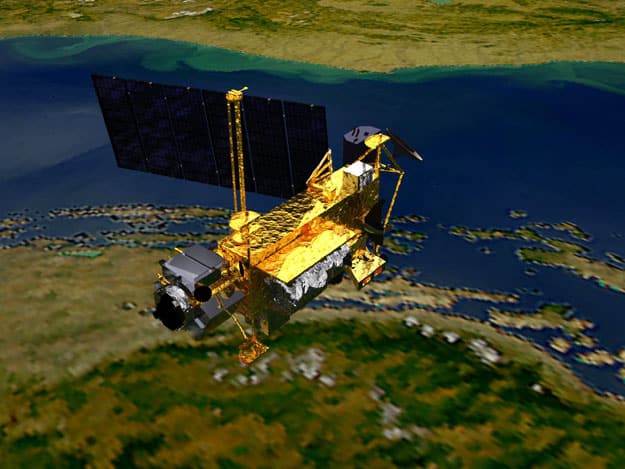
    Some time around midnight eastern time on Sept. 23, a decommissioned NASA satellite fell out of the sky — but nobody knows where.

    The Upper Atmosphere Research Satellite, or UARS, was launched in 1991. According to NASA, it was “the first multi-instrumented satellite to observe numerous chemical components of the atmosphere for better understanding of photochemistry.”

  • Turning our backs on the final frontier

    By August 13, 2011

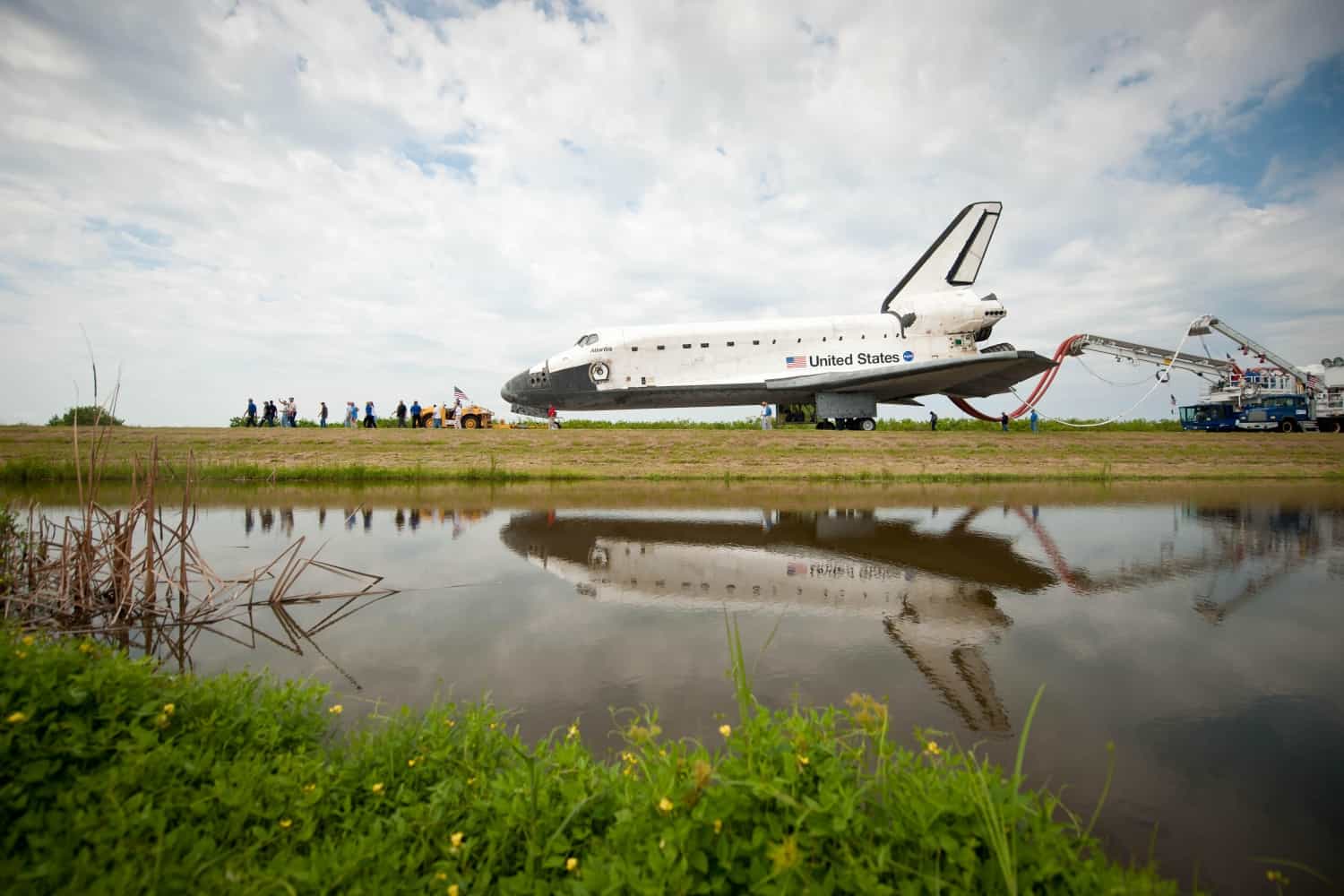
    The year is 2011. By now, we should have flying DeLoreans and alien overlords. In reality, 2011 only offers the same crap we saw last decade. What’s worse, 2011 marks the end of NASA’s manned space shuttle program.