THE UNIVERSITY OF SASKATCHEWAN’S MAIN CAMPUS IS SITUATED ON TREATY 6 TERRITORY AND THE HOMELAND OF THE MÉTIS.

By Tannara Yelland March 28, 2012
After receiving a smaller operating grant increase than it had asked for from the provincial government, the University of Saskatchewan is expecting a significant deficit for 2012-13.
Rob Norris, the provincial minister of advanced education, says the government actually provided a 5.4 per cent increase to the U of S. This is because in addition to the two per cent increase to the operating grant, the government has provided extra funding for a number of special projects, from the university’s renal transplant program to the Saskatchewan Advantage scholarships.
By Thilina Bandara March 27, 2012
For as long as graphics in video games have been realistic, people have criticized video game developers for the vulgar or crass depiction of women. Comically hyper-sexualized female characters are usually written off as marketing tools to pander to younger audiences, and because (so the argument goes) nobody is really hurt in the process, it is often ignored.
Misogyny in gaming is often argued on the basis of pure aesthetics. But the issue of misogyny in gaming is not just predicated on character design anymore; it has grown into something more systemic that frightens me as a gamer. It took a blatant act of laser-guided abuse to understand how many layers there are to sexual harassment in gaming.
By Canadian University Press March 27, 2012
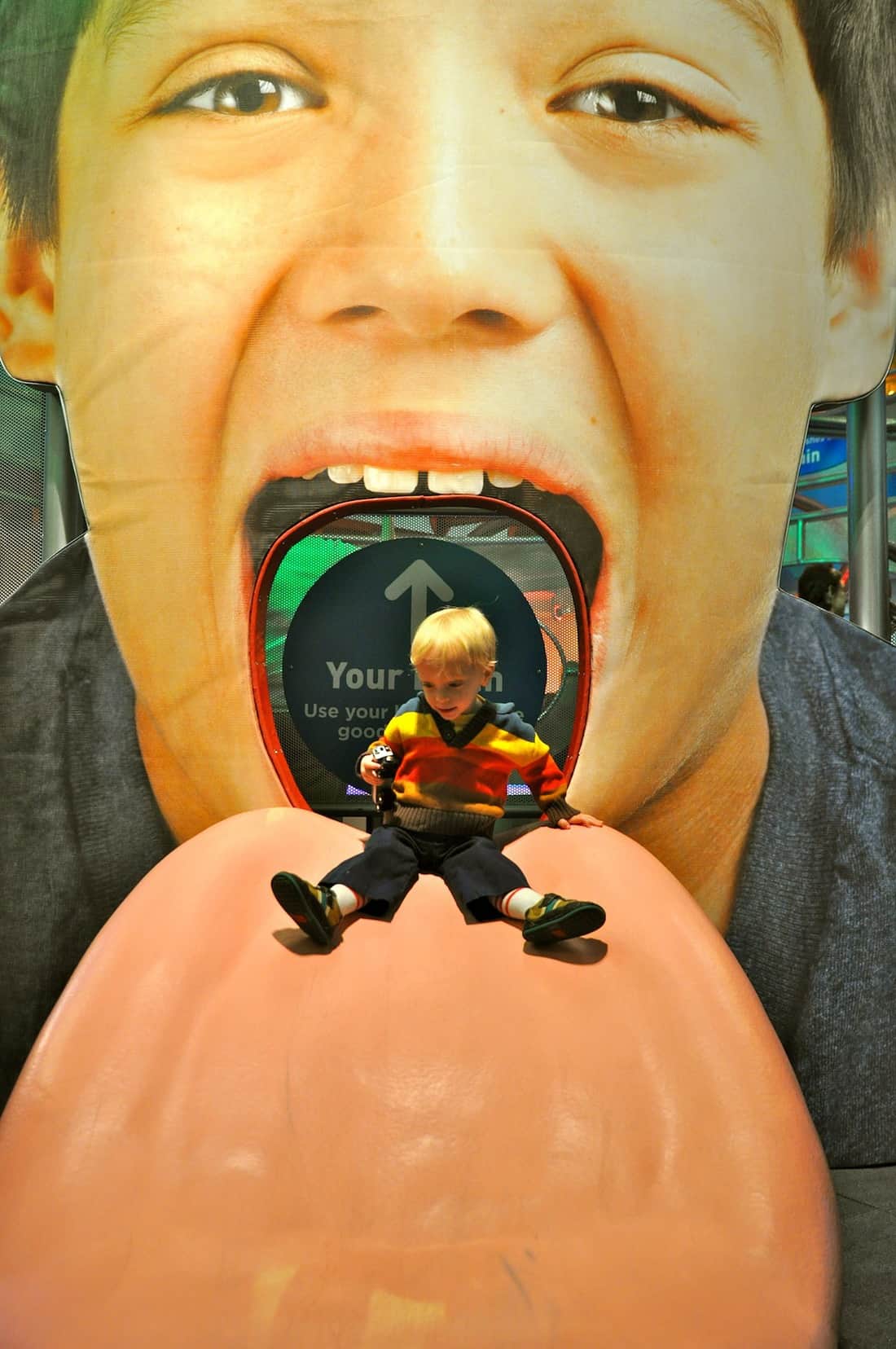
The war on social problems has reached new heights in America, and museums are the latest weaponry. The Children’s Museum of Manhattan, for example, is trying to do its part to prevent childhood obesity with displays that send a not-subtle-message: get healthy, kids.
The museum has erected a play centre where visitors learn the power of pedalling, bouncing and jumping. There’s a place to meet super-powered vegetable heroes and exhibitions where kids crawl through a digestive system. This is just one sign of the changing face of museums in America, and it begs the question: should Canadian museums evolve, too?
By Canadian University Press March 26, 2012
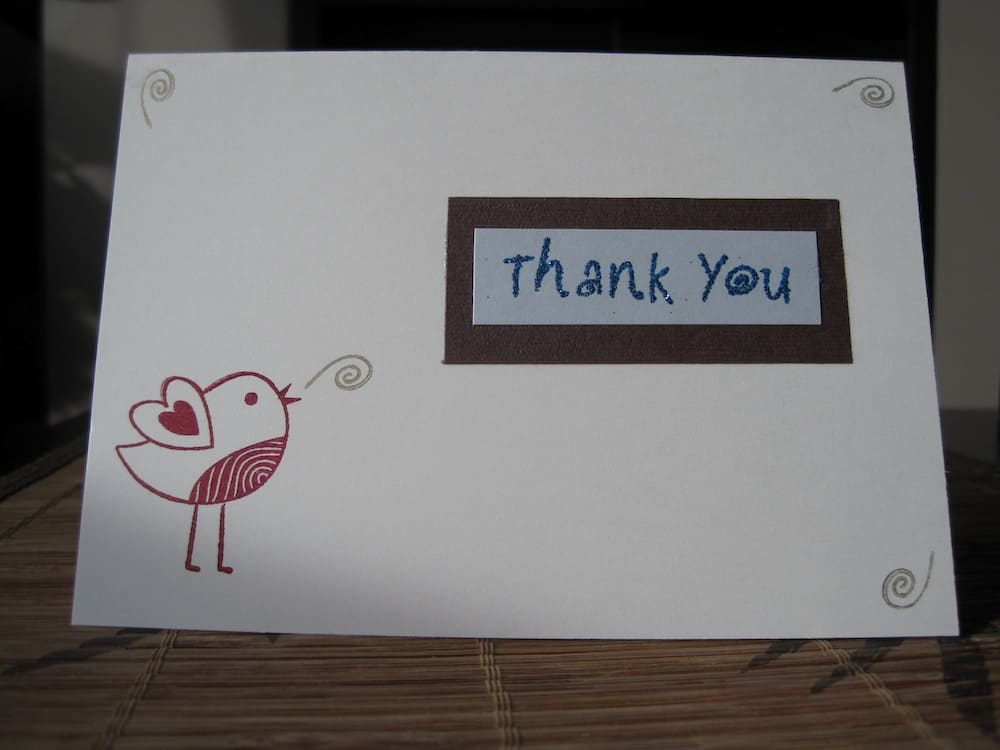
I have vivid memories of my mother making very detailed lists on Christmas morning of who got what from whom. She would then pass the lists out to my sister and I with a cheery, “Remember to write your thank-you cards as soon as possible!”
But much to my mother’s chagrin, we never managed to write a single thank-you note. We would think about it, maybe even start one, but never follow it through to completion.
By Canadian University Press March 26, 2012
areful! Just by reading this, you might topple the fragile economy!
Okay, perhaps that’s a little over-the-top, but the way the Conservative government falls over itself legislating people back to work, you’ll forgive me for thinking that if Nycole Turmel sneezes violently enough, the entire country will collapse into a financial hell-storm from which no one will escape unscathed.
By Canadian University Press March 26, 2012
It was a sea of red toques and Bill Murray masks at the Fall Gallery in Vancouver on Feb. 18, as people gathered for “Bill You Murray Me?”, an art exhibit inspired by and dedicated to the one and only Bill Murray. A comic who got his start in the early days of SNL, the actor has since become an unexpected cult icon.
By Canadian University Press March 26, 2012
Text-matching technology is currently under scrutiny at the University of Alberta, with the department of biological sciences’ plagiarism checker the latest subject in a long discussion about academic integrity on campus.
The aptly branded “Plagiarism Checker” — a mandatory text-matching tool used by the biological sciences department since September — is inciting controversy after the department’s decision to go ahead with the technology last year left students unhappy with the lack of communication about the service.
By Canadian University Press March 26, 2012
As a child, Kalamity Hildebrandt was put on diet pills by her doctor in order to lose weight. By age nine she was bulimic, which progressed to the point where she was throwing up blood in her teenage years. By 19, she could barely function emotionally in the world because of her overwhelming fear of harassment.
Hildebrandt’s view on being fat was changed by fat activism, the social justice movement that believes that, just like any other discrimination, oppression of people because of their weight is unacceptable and should be fought against.