THE UNIVERSITY OF SASKATCHEWAN’S MAIN CAMPUS IS SITUATED ON TREATY 6 TERRITORY AND THE HOMELAND OF THE MÉTIS.


THE UNIVERSITY OF SASKATCHEWAN’S MAIN CAMPUS IS SITUATED ON TREATY 6 TERRITORY AND THE HOMELAND OF THE MÉTIS.

iUsask

  • By February 14, 2012

    The Office of the President is asking University of Saskatchewan aboriginal students to officially identity as such online through PAWS in order to get a better sense of the aboriginal student population.

    In an email sent to all students Feb. 2, Joan Greyeyes, the president’s special advisor on aboriginal initiatives, said that having accurate knowledge of the number of aboriginal students will help provide “high-quality learning opportunities that are responsive, flexible and accessible” to students of aboriginal heritage. She added that it will also help guide the university’s decisions concerning academic programming, student supports and scholarships.

  • Huskies win five golds: dogs bring it all at Canada West wrestling championships on Feb. 10 and 11

    By February 13, 2012

    This weekend, Saskatchewan’s men’s squad, which saw nine wrestlers put up top five finishes, landed third in the team standings with a combined 34 points — 11 points behind the hosting Regina Cougars who edged out Alberta by a single point for the title. Calgary finished fourth with 20 points while Winnipeg finished last with only 3 points.

    On the women’s side, the Huskies put up a strong showing despite their large number of rookies — four of the team’s eight wrestlers are in their first year of CIS competition.

  • Space ‘burps’ offer clues on new galaxies: research focuses on how matter is ejected from black holes

    By February 13, 2012

    By pinpointing the exact moment when a black hole launched fast- moving material from the region surrounding it, a University of Alberta astronomer has uncovered an important clue for discovering how new galaxies are formed.

    The interaction of material ejected, or “burped,” from black holes with other gasses in space is fundamental to the creation of new galaxies, but Gregory Sivakoff’s research on how and when matter is ejected from the black hole gives insight to the origins of these processes.

  • Universities must support students who have experienced violence: study

    By February 13, 2012

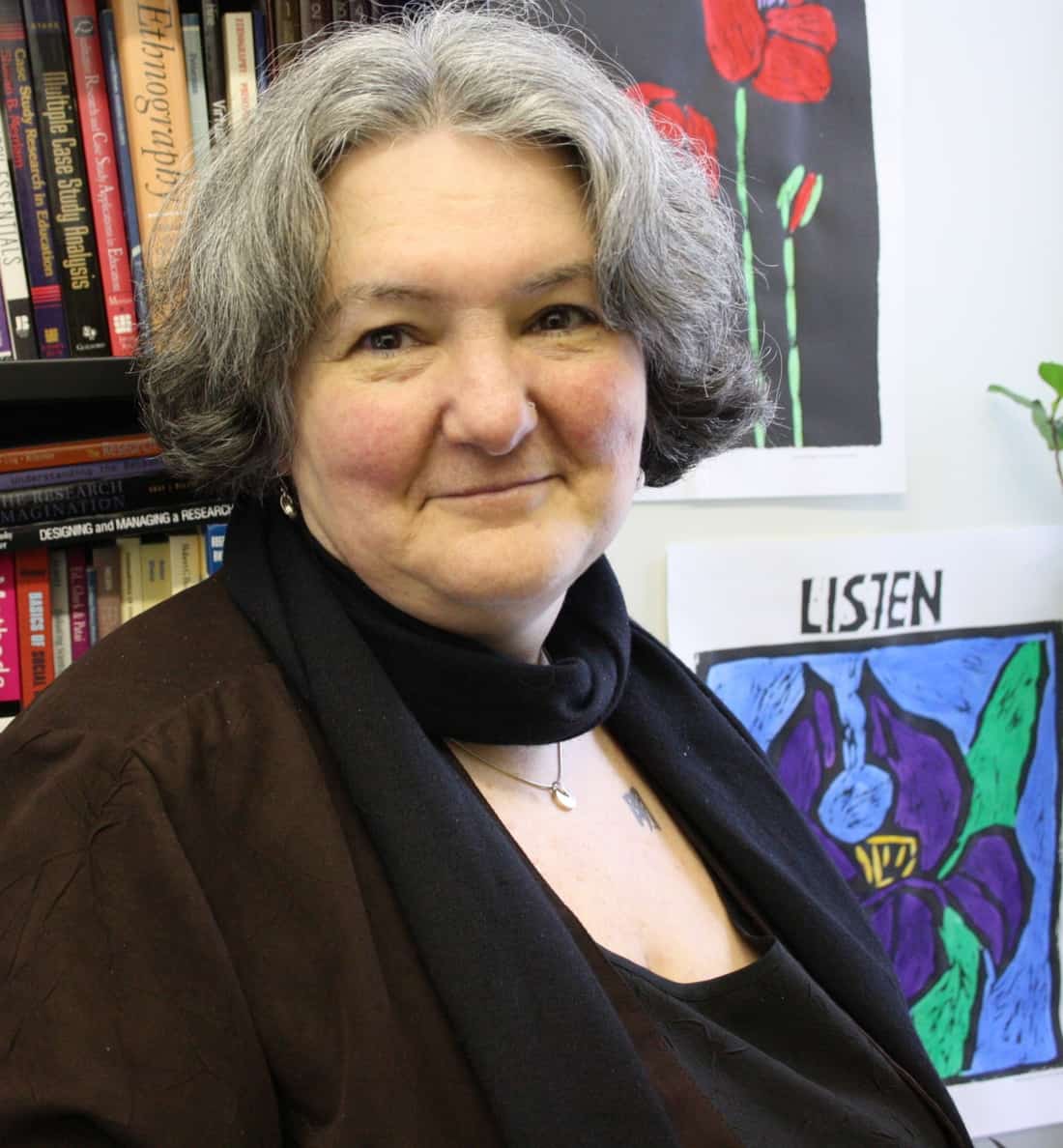
    Rosemary Reilly and Miranda D’Amico always noticed a few women in their small education classes who stood apart from their peers: they were overly argumentative, or totally silent in class, sitting at the back of the class. Some would zone out, or would admit to their teachers that they had trouble with grasping the theory part of their courses.

  • The ethics of Internet piracy

    By February 12, 2012

    Should I refuse to read a pirated book? Was I receiving stolen goods, as advocates of stricter laws against Internet piracy claim?

    If I steal someone’s book the old-fashioned way, I have the book, and the original owner no longer does. I am better off, but she is worse off. When people use pirated books, the publisher and the author often are worse off – they lose earnings from selling the book.

  • State of the arts: how arts funding affects our communities

    By February 12, 2012

    hen Stephen Harper famously declared that “ordinary people” don’t care about arts funding during the 2008 election campaign, artists and arts groups were quickly forced to prove their worth.

    In 2009, $45 million was cut from the federal arts budget, and not long after, the government of B.C. made serious cuts of its own. Since those serious cuts to arts funding in 2009, many artists and arts groups in B.C. have had to find innovative ways to generate money while struggling to make ends meet.

  • Capitalism cannot “fix” First Nations’ relationship with Canadian government

    By February 12, 2012

    While there has long been a “moral imperative” argument to renew indigenous-Canada relations, the idea that there is an economic imperative to “fix” this relationship is a relatively new one, emerging after a series of Canadian court cases in the 1990s obligated government and industry to consult indigenous communities before extracting resources from their territories.

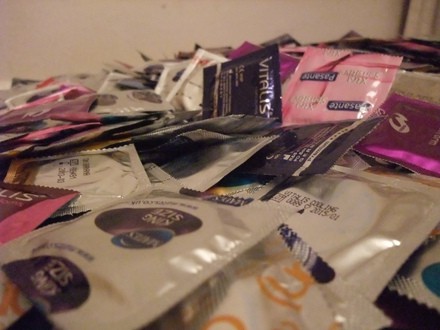
  • Syphilis rates on the rise in New Brunswick

    By February 12, 2012

    he number of syphilis cases is rising in the province, according to a New Brunswick Public Health coordinator. The Student Health Centre at the University of New Brunswick is also dealing with a number of new cases.

    “Our practitioners at the Student Health Centre have not noticed a change in the rate of STIs, with the exception that we are now seeing cases of syphilis,” said Stacey Taylor, a nurse practitioner at the Student Health Centre.