THE UNIVERSITY OF SASKATCHEWAN’S MAIN CAMPUS IS SITUATED ON TREATY 6 TERRITORY AND THE HOMELAND OF THE MÉTIS.
THE UNIVERSITY OF SASKATCHEWAN’S MAIN CAMPUS IS SITUATED ON TREATY 6 TERRITORY AND THE HOMELAND OF THE MÉTIS.

iUsask

  • By January 26, 2011

    2010 was an outstanding year for video games across the board. From the Wii to PC and Playstation 3 to the iPad there was something to keep every kind of gamer entertained.

  • Developing countries have $300 billion in unregistered assets

    By January 26, 2011

    In developing countries around the world, citizens living in poverty possess more than $300 billion in assets that aren’t legally registered ”” sums that dwarf the international aid and remittances being sent from richer countries.

  • Art studios go from bad to unbearable with renovations

    By January 26, 2011

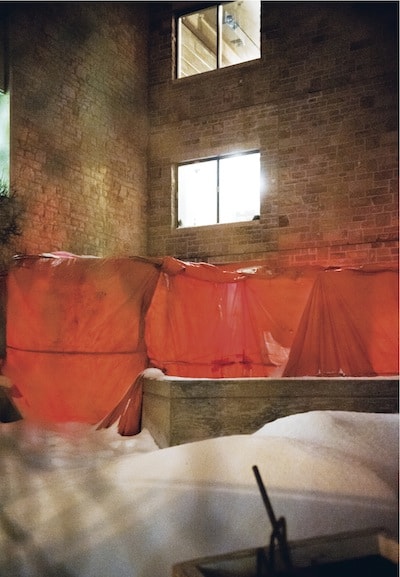
    On the third floor of the Murray building ”” where senior studio-art majors spend most of their year ”” space is tight, lighting is dim and ventilation is poor.

  • Poker: Respected sport or trivial game?

    By January 26, 2011

    Is poker worthy of being broadcast on sports channels? Bryce Seto and Dorian Geiger debate the merits of professional poker as a sport.

  • U of S wins National Law Games

    By January 26, 2011

    Held by Laval University in Quebec City Jan. 2 to 6, the University of Saskatchewan’s team claimed first place in Canada for the first time in the tournament’s 25-year existence.

  • Campus infrastructure isn’t exactly crumbling, just underfunded

    By January 26, 2011

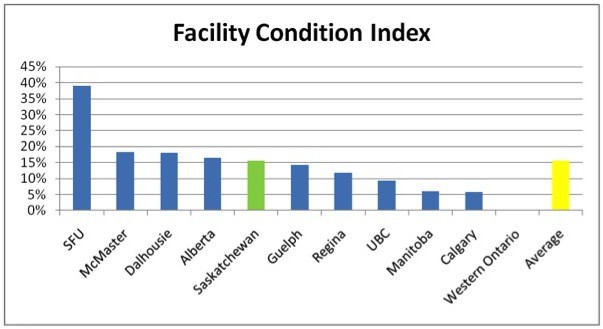
    The University of Saskatchewan is not falling apart, but its infrastructure funding is insufficient.

  • In case you missed it: the best video games of 2010

    By January 26, 2011

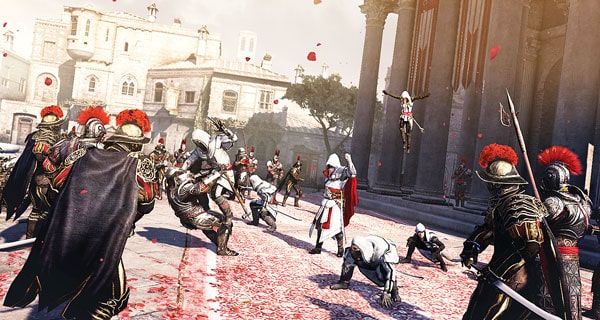
    2010 was an outstanding year for video games across the board. From the Wii to PC and Playstation 3 to the iPad there was something to keep every kind of gamer entertained.

  • What should Afghanistan look like when we leave?

    By January 23, 2011

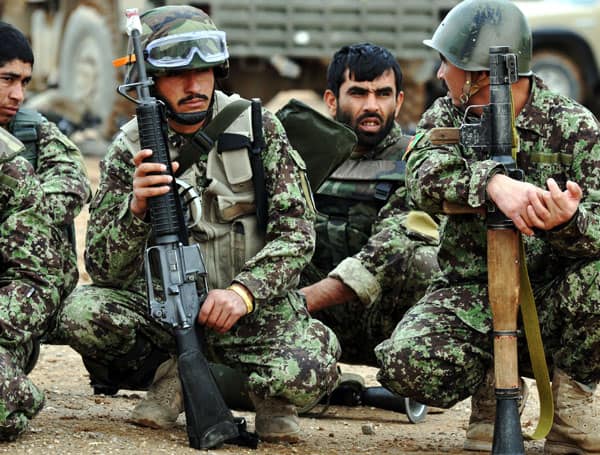
    The debate about the role of western nations in Afghanistan is framed as a binary: either NATO forces must leave, recognizing that Afghans have the right to self-determination and to control the direction of their nation, or NATO forces must remain in basically the exact same capacity in which they are there now.