THE UNIVERSITY OF SASKATCHEWAN’S MAIN CAMPUS IS SITUATED ON TREATY 6 TERRITORY AND THE HOMELAND OF THE MÉTIS.
THE UNIVERSITY OF SASKATCHEWAN’S MAIN CAMPUS IS SITUATED ON TREATY 6 TERRITORY AND THE HOMELAND OF THE MÉTIS.
Harper

  • By March 7, 2015

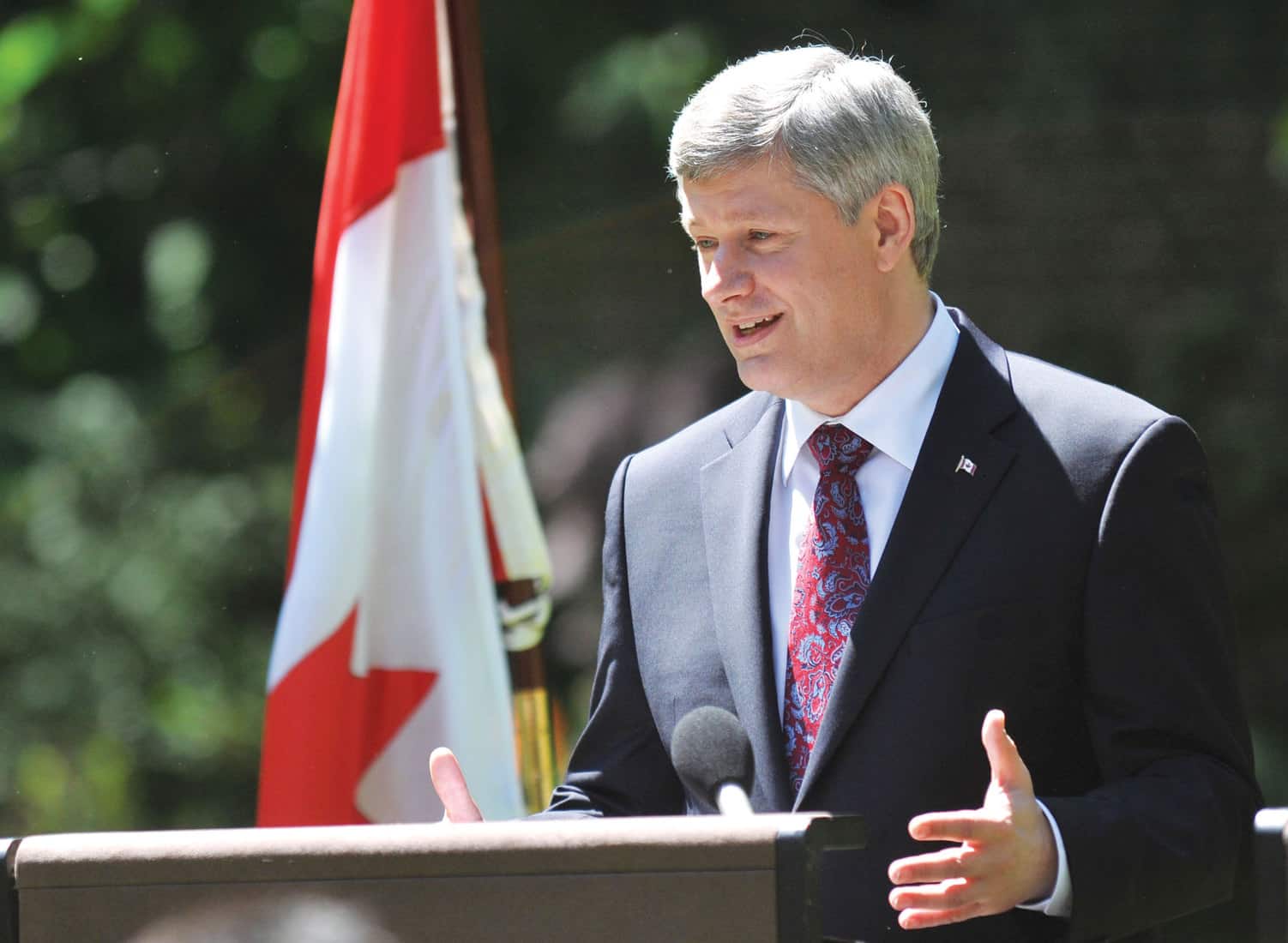
    When it comes to politics, the current question is when — or if — Prime Minister Stephen Harper will call an early election.

  • Harper’s aggressive policy towards Russia is positive, hopeful

    By December 1, 2014

    On Nov. 14, Stephen Harper told Vladimir Putin to “get out” of Ukraine at the annual G20 summit. As Canada shows it will not tolerate Russian military action, this could be a positive step for international relations between Canada and other countries.

  • Canada’s foreign policy is empty and self-serving

    By October 1, 2014

    The inconsistencies of the Harper administration’s foreign policy are difficult to understand if they are judged using basic moral standards.

  • Good riddance to the penny (if only Stephen Harper would kill these other things as well)

    By April 6, 2012

    The abolition of the penny proves what most people have long suspected: Stephen Harper is the greatest prime minister since Sir John A. Macdonald. At the very least, it confirms that he’s really good at abolishing things — the long-gun registry, the long-form census and the Katimavik program.

    Here’s a short list of other things the prime minister should consider abolishing.

  • The CBC is under ideological attack: if the Conservatives cut funding, Canadian identity will suffer

    By February 1, 2012

    Currently, the CBC has an annual budget of $1.1 billion, a figure that is expected to decrease in the near future.

    The CBC is a wounded soldier wheeling a single pistol. It is up against the heavily armed cavalry that is the American media. If we do not provide it with adequate defence, it will be killed. Canada will then be in danger of succumbing to a Conservative agenda that seems more concerned with protecting its own ideology than the Canadian public.

  • Youth-led advocacy group pressures government to rethink crime bill

    By December 6, 2011

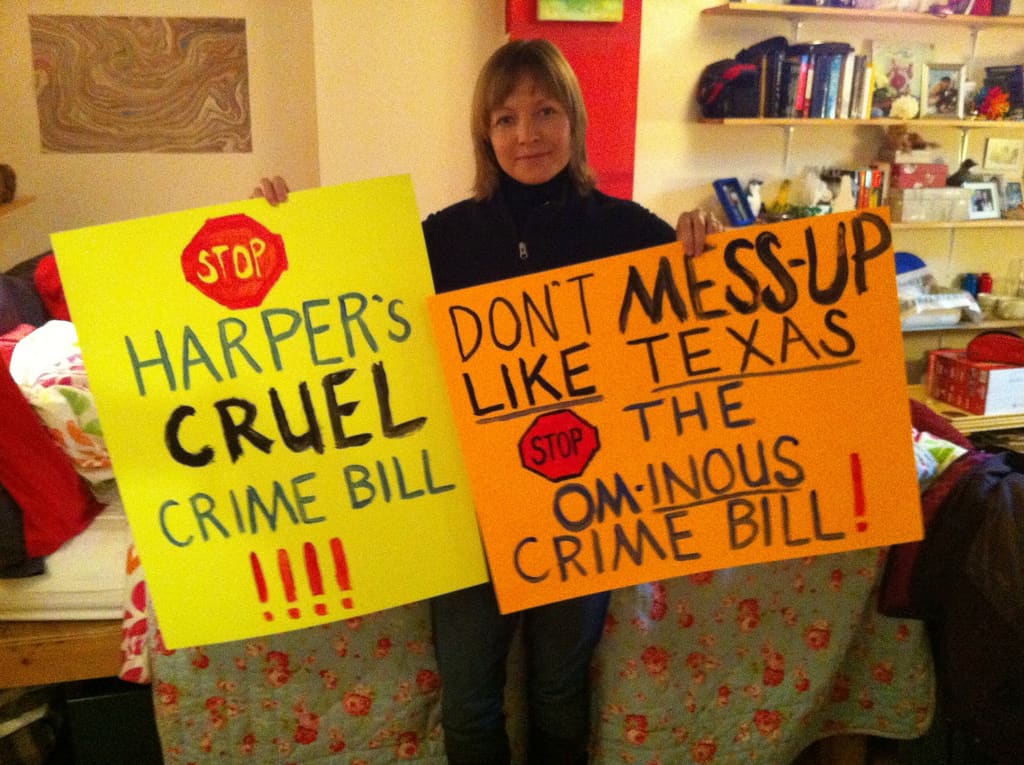
    n Nov. 24, Leadnow, a youth-led independent advocacy organization, organized a national day of action to protest the federal Conservatives’ omnibus crime bill.

    Citizens from across the country, donning cowboy hats, delivered to MPs’ constituency offices petitions and copies of a condemning report released by the Canadian Bar Association, encouraging their members of Parliament not to “mess up like Texas.”

  • Falling crime rates to be met with harsher sentences

    By November 17, 2011

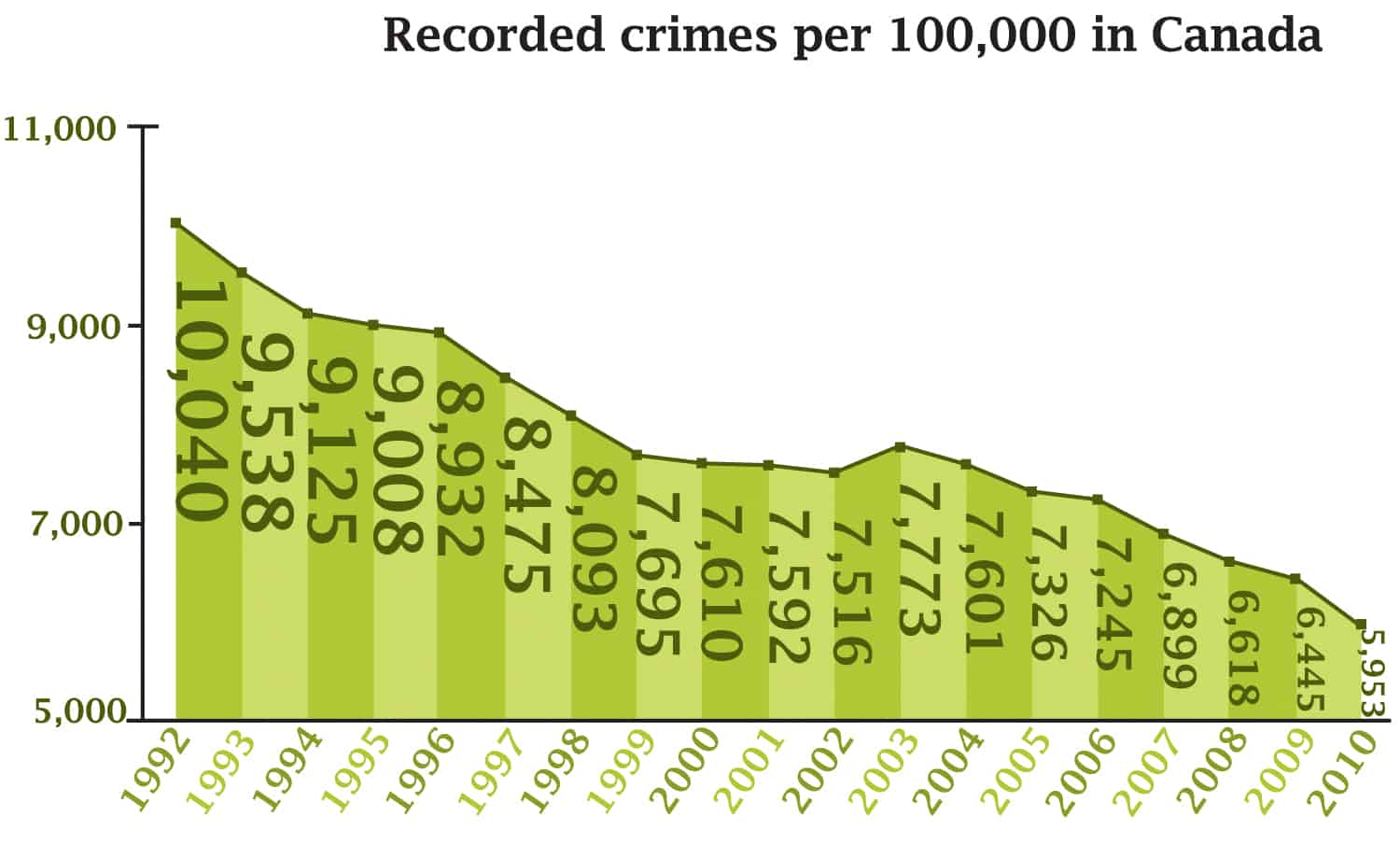
    With both serious and petty crime dropping steadily in Canada over the last two decades, many are challenging the federal government’s intense focus on imprisoning law-breakers.

    Bill C-10, entitled the “Safe Streets and Communities Act,” is an omnibus bill composed of nine different bills that died in Parliament before the May 2 election was called. It includes harsher mandatory minimum sentences for minor offenses such as drug possession, as well as extended possible maximum sentences.

  • The fight for online freedom in Canada is only just beginning

    By October 1, 2011

    Despite a comfortable position alongside a myriad of disturbing new laws, the government’s proposed Internet surveillance legislation, known publicly as lawful access, was conspicuously absent from the Conservative’s recent omnibus crime bill. This came as a welcome surprise to many, considering that the prime minister had pledged to pass the legislation within the first 100 days of the new parliament. Unfortunately, there’s no real indication that the bill is gone for good. Canadian Internet users are still in the government’s judicial crosshairs.