THE UNIVERSITY OF SASKATCHEWAN’S MAIN CAMPUS IS SITUATED ON TREATY 6 TERRITORY AND THE HOMELAND OF THE MÉTIS.

THE UNIVERSITY OF SASKATCHEWAN’S MAIN CAMPUS IS SITUATED ON TREATY 6 TERRITORY AND THE HOMELAND OF THE MÉTIS.
AIDS

  • By January 17, 2014

    Dallas Buyers Club finds an unlikely and often unlikable hero in Ron Woodroof (Matthew McConaughey) as he battles with an AIDS diagnosis and the Food and Drug Administration.

  • Ban on gay men’s blood misguided: potential donors should be screened on basis of behaviour, not orientation

    By March 23, 2012

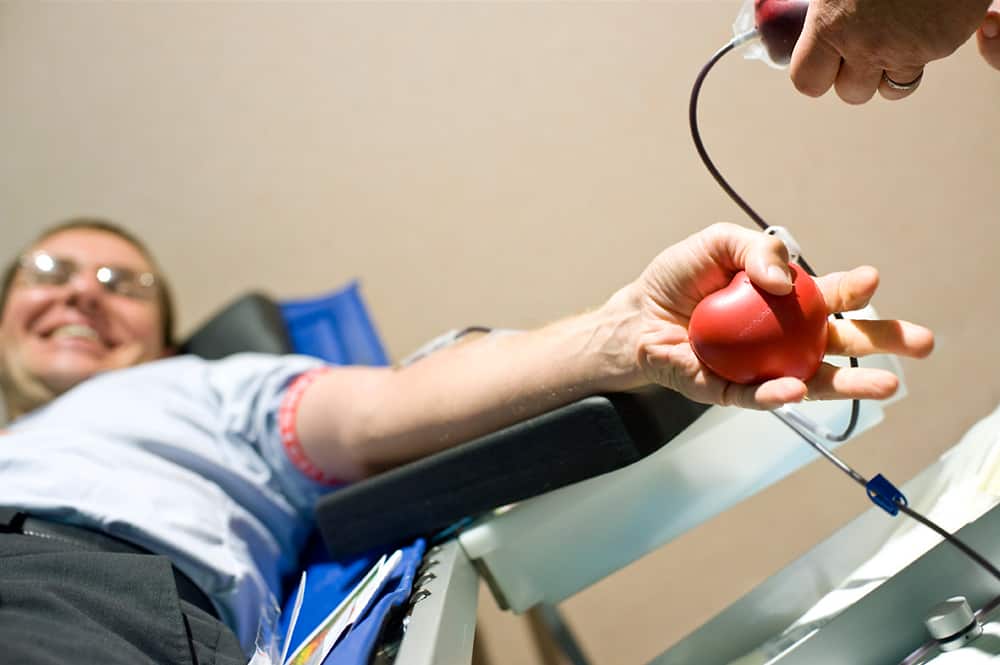
    In the mid-1980s at the height of the AIDS scare, nations around the world banned blood donations from gay men.

    Almost 30 years later, though, we live in a very different world. We now know how the virus spreads and how to safeguard against infection. Testing has been refined such that certain types of tests, namely Nucleic Acid Tests, can detect HIV within two to three weeks. There is no need for the kind of blanket donor ban that focuses on a person’s innate characteristics, like sexuality, rather than how safe his or her behaviours are.

    Simply put, people’s sexual orientations have no bearing on whether or not they are likely to have HIV.

  • Saskatchewan acts to curb new HIV cases

    By February 9, 2012

    Despite the fact that new cases of HIV have largely levelled off across Canada, Saskatchewan has a surging infection rate. Over the next few weeks, the Sheaf will examine why this is the case and what can be done about it from the perspective of people dealing with the situation. This week: a look at how the provincial government treats patients and how they plan to curb new infections.

  • “Everyone is watching Saskatchewan:” province’s HIV infections a cause for concern

    By February 1, 2012

    Since 2002, the number of new HIV infections in Saskatchewan per year has risen steadily, from 26 to 200. And while there was a slight drop in 2010, AIDS Saskatoon expects the 2011 numbers will almost certainly show another increase once they are available.

  • World Aids Day reminds there is still work to do

    By December 8, 2011

    Robert Birch was 27 years old when he received a phone call from his doctor who told him that he was living with HIV.

    “We were doing a performance that day called Happy Virus Day, coincidentally,” said Birch. “So there was this performance piece going on in the middle of the street and me going around with a camera and a mic asking people if they knew anybody with HIV.

  • Saskatchewan’s HIV rates twice the national average

    By December 6, 2011

    People in Saskatchewan have every reason to unite on Dec. 1 for World AIDS Day. According to the Saskatchewan Ministry of Health, the HIV rate in Saskatchewan is twice the national average.

    In the rest of Canada, approximately nine out of every 100,000 people have been infected with HIV, compared to approximately twenty-one out of every 100,000 people in Saskatchewan. Worse still, the number of new cases alarmed health officials in early 2009, a year and a half before the ministry of health released the most recent data — and there’s been near-total silence on the subject since.

  • Saskatoon doesn’t shine on everyone: the city’s social problems must be addressed

    By December 3, 2011

    I have lived in multiple cities before and Saskatoon is probably in the worst condition. Now before you bitch at the foreigner who isn’t even from this province, please let me explain. Put away the torches and pitchforks.

    Go to the City of Saskatoon’s “Quick Facts” page online and what do you see? Pictures of the city skyline, though not in winter. You also see people walking by our beautiful riverfront, once again, not during winter. To an outside observer, Saskatoon would seem pretty awesome. And yes, we have a total of 2,381 hours of sunshine a year, the Saskatoon Exhibition, Shakespeare on the Saskatchewan and our famed uranium and potash industries.

  • Stopping HIV/AIDS in the prison system

    By February 24, 2010

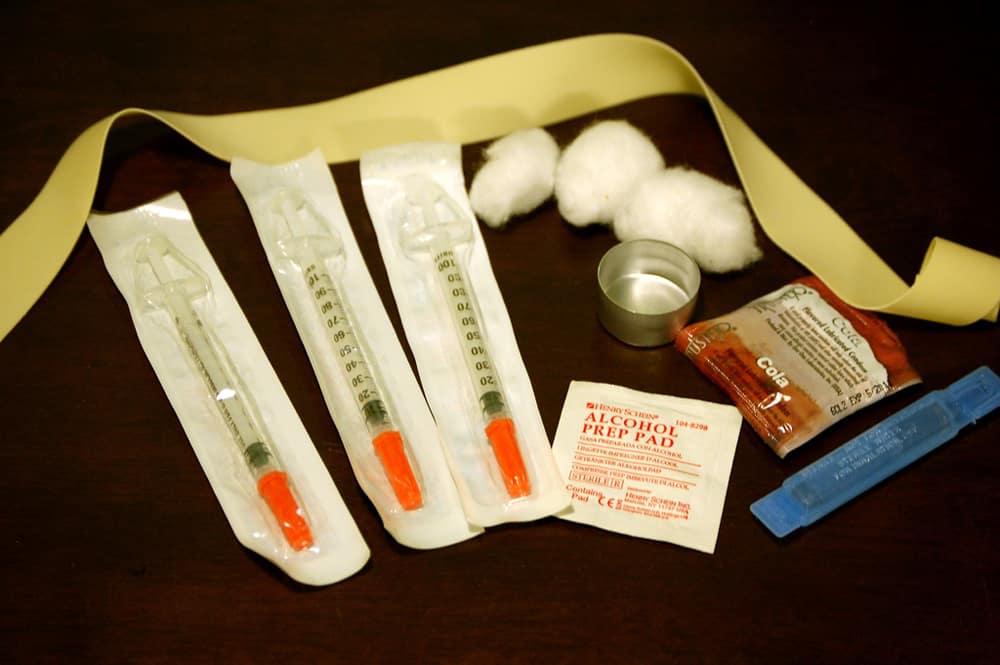
    The rate of HIV and AIDS infection among prison inmates is anywhere from 10 to 20 times higher than the general population ”” a problem that could easily be curbed, according to the Canadian HIV/AIDS Legal Network, through the use of clean needles and medical supplies.