THE UNIVERSITY OF SASKATCHEWAN’S MAIN CAMPUS IS SITUATED ON TREATY 6 TERRITORY AND THE HOMELAND OF THE MÉTIS.
By Bryn Becker January 26, 2012
Understatement of the century: mapping out your degree progress can sometimes be confusing. Come on. Up until now, making sense of your academic achievements — total credits earned, actual program requirements, and how everything all fits together — has been like trying to solve a jigsaw puzzle with Jenga blocks. Frustration levels have been known to shoot off the charts.
Believe it or not, the university is aware of this. And they’re finally doing something about it.
By Bryn Becker January 17, 2012
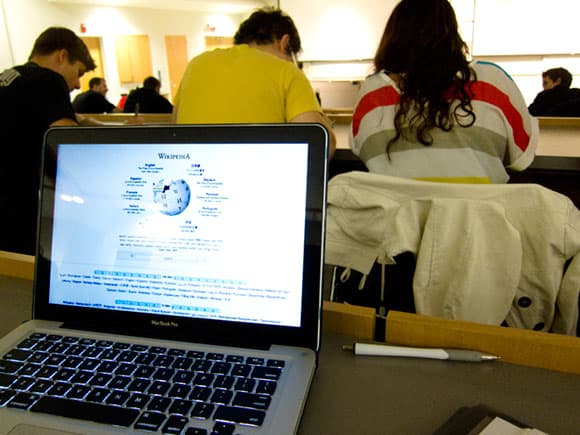
Today the Wikimedia Foundation announced that Wikipedia will be shut down for 24 hours, worldwide, beginning at 11:00 PM Central time.
The black-out is in protest of the Stop Online Piracy Act (SOPA) in the and the PROTECT IP Act (PIPA), two pieces of proposed American legislation tabled in the U.S. Congress and U.S. Senate respectively.
By Tannara Yelland January 4, 2012
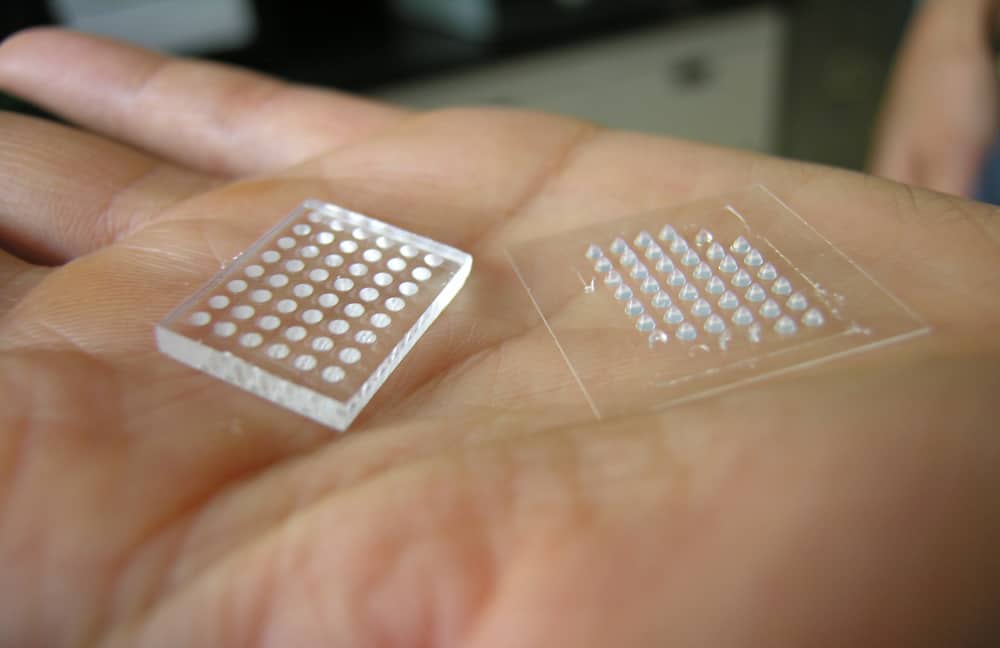
In a rural medical office, only the bare minimum of medical technology is either affordable or practical, and doctors rely on their own diagnostic skills rather than the expensive tests that doctors at urban centres can more easily access. In the absence of proper equipment from which many urban doctors benefit, rural patients can be misdiagnosed or mistreated due to the impracticality of running the gamut of tests on them.
Linda Pilarski, a University of Alberta oncology professor and Canada Research Chair in Biomedical Nanotechnology, has been working since 1998 to change this.
By Canadian University Press December 11, 2011
A handful of University of Alberta classes have introduced Wikipedia to their classrooms as a teaching resource this past semester, despite criticisms about the website’s credibility in educational institutions.
The initiative to integrate Wikipedia into classes began in the United States with the Wikimedia Foundation’s Wikipedia Education Program, but has expanded globally to include classes in Canada and India. Professors use the website by replacing traditional writing or research assignments with students writing Wikipedia articles or improving pre-existing pages.
By Bryn Becker December 9, 2011
On Nov. 30, a U of S student discovered a wonderful little trick that lets you access the old style PAWS course homepages, complete with course members list. I’ve put together a quick step-by-step guide on how to access the course members page using this simple URL hack.
Students and professors alike have been lamenting the loss of the course members list, among other useful features of the old style course homepages, since the U of S implemented lacklustre Blackboard based course homepages at the end of last summer.
By Canadian University Press December 1, 2011
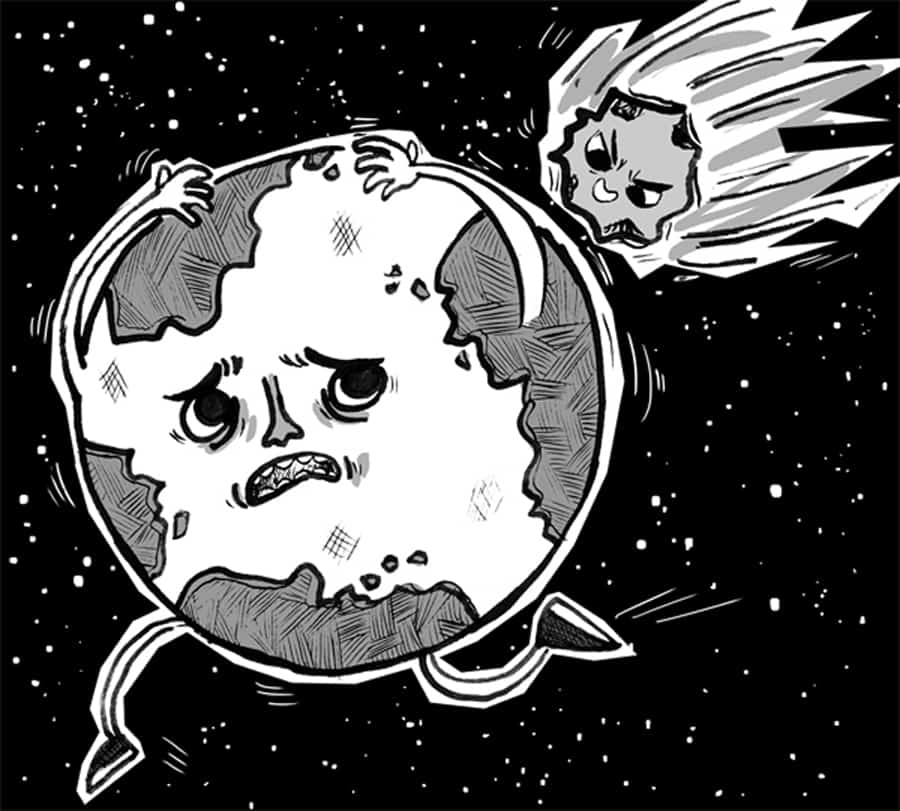
Did you feel it? On Nov. 8, an asteroid brushed right by our little blue sphere in space, giving some of us a genuine scare. I’m not talking some dinky, burns-up-in-our-atmosphere asteroid we scoff at several times a day. We almost got hit by a 400-metre-wide clump of coal and space evil.
Although we weren’t directly threatened, this time, this incident reminds us just how fragile our planet is, and how Earth has little to no defence plans in the event that an asteroid decides not to take the scenic route.
By Canadian University Press November 25, 2011
What will the wars of the future look like?
That’s the question posed by a recent issue of the journal Synesis, centred on the theme of “Neurotechnology in National Security.” The issue assembles seven articles discussing the use of emerging brain-related technology for military purposes, detailing practical and ethical issues, and making recommendations for American policy.
By Daryl Hofmann November 2, 2011
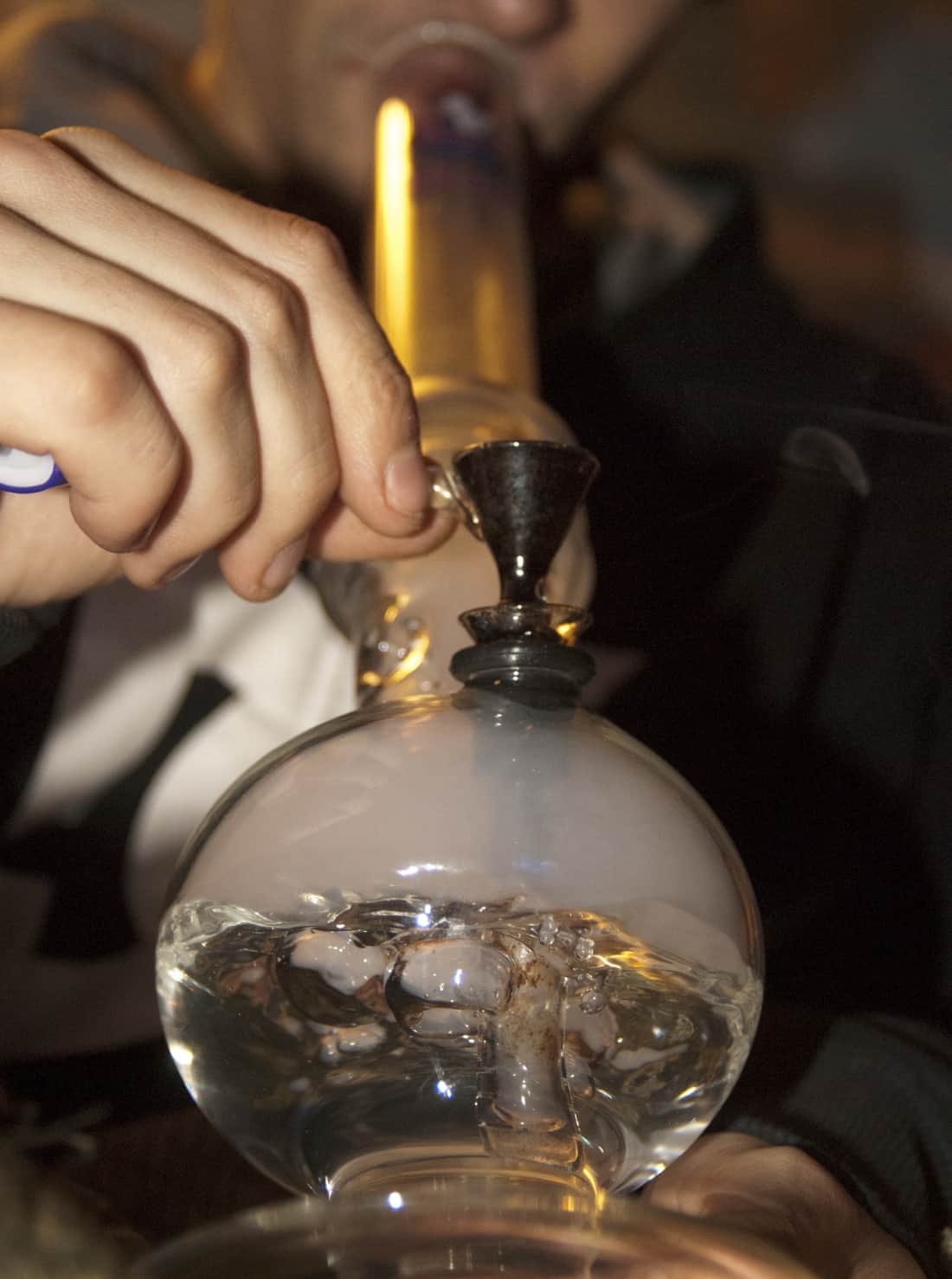
A University of Saskatchewan scientist has helped map the genetic blueprint of marijuana, potentially leading to improved research and expanded use of the Cannabis sativa plant.
Scientist’s believe their findings, made available to researchers worldwide on Oct. 20, can act as a foundation in developing new strains of medical marijuana, as well as strengthen certain traits in hemp.