THE UNIVERSITY OF SASKATCHEWAN’S MAIN CAMPUS IS SITUATED ON TREATY 6 TERRITORY AND THE HOMELAND OF THE MÉTIS.

By Nicole Barrington January 25, 2012
For many pampered Canadians, it is difficult to imagine a foreign company evicting an entire community, claiming the land for mining purposes and doing so without any form of government intervention.
Sadly, this is the reality for thousands of displaced families living in South America — and at least 500,000 people in Guatemala alone. What’s even more difficult to fathom is that a handful of these mining companies are Canadian. Also surprising is that Canadian citizens greatly benefit from investments in these companies — perhaps in ways they haven’t considered.
According to Canadian human rights activist Grahame Russell, this is only one example of “global economic order” at work.
By Daryl Hofmann January 25, 2012
The University of Saskatchewan has a plan to double its number of childcare spaces by 2014, says Associate Vice-President Student Affairs David Hannah. The design, which consists of two separate components, is projected to cost between $4 and $5 million and would increase the university’s total licensed childcare spaces to 220, up from 110.
The first component of the plan includes the renovation and expansion of the current university daycare centre located in the Education Building and would add 46 spaces, all of which would be for children 30 months to 6 years old.
By Canadian University Press January 21, 2012
Part-time students will now be treated like their full-time counterparts when it comes to student loans.
In December, the federal government announced that people with part-time student loans will no longer accrue interest on their loans until after their studies have been completed, bringing the program in line with the full-time loan program.
By The Sheaf January 21, 2012
After two summers of renovations, Marquis Hall Culinary Centre officially opened Dec. 21.
According to the President’s report set to be tabled at University Council Jan. 26, “This renovation allows the opportunity to attract the best” chefs working in the culinary field.
Currently, there are eight red seal chefs on staff and with the improved facilities the opportunity to invite high-profile guest chefs to campus is more readily available.
By The Sheaf January 20, 2012
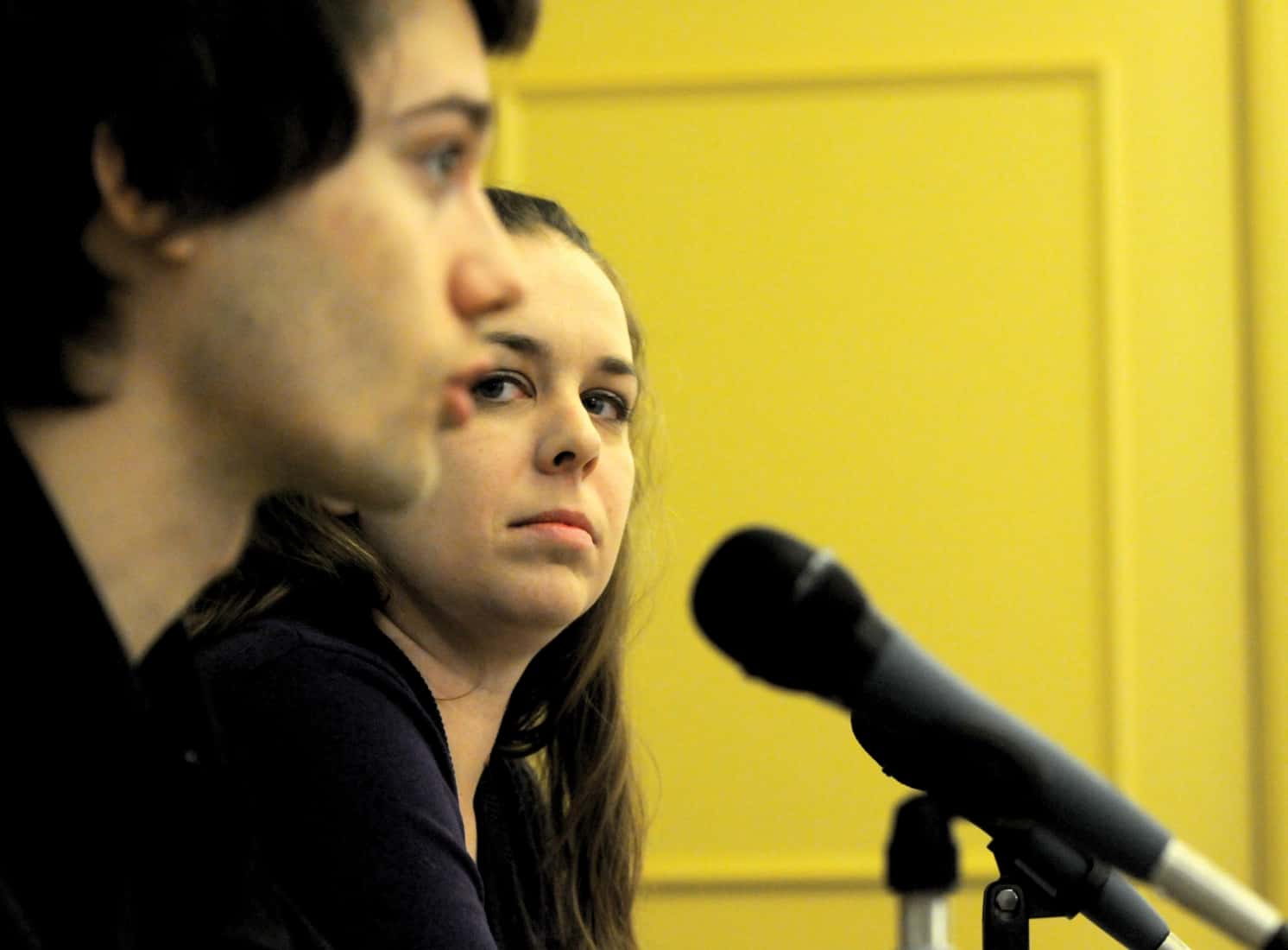
The student group Women in the Legislature, or WiL, will hold a panel discussion at Louis’ Pub next week to discuss the role of women in politics.
Panelists will be Loleen Berdahl, professor with the political studies department; Jennifer Campeau, Saskatchewan Party MLA for Saskatoon Fairview; and Judy Junor, former NDP MLA for Saskatoon Eastview.
WiL is a non-partisan, student-run initiative to educate students on women’s under-representation in legislatures across the country and inspire more women to become politically active.
By Tannara Yelland January 20, 2012
What started in 2009 as a side project with low expectations has quickly yielded impressive results and garnered funding from the National Sciences and Engineering Research Council of Canada.
University of Calgary biochemistry professor Raymond Turner began working with Howard Ceri, a U of C biology professor, on creating a biofilm that would assist in the detoxification and reclamation of some tailings pond water left over after oil sands excavation.
By The Sheaf January 20, 2012
The Canadian Association of University Teachers reacted angrily to the newly-appointed co-chair of the Canada Excellence Research Chair program selection board. Stephen Harper’s federal government named Shirley Tilghman, president of Princeton University, to the post, drawing criticism from CAUT.
“While the President of Princeton University is undoubtedly a distinguished academic… there is no shortage of Canadian university presidents and other distinguished academics at Canadian universities who could more appropriately have filled the role” as co-chair for the Canadian program, said a letter signed by CAUT President Wayne Peters and Executive Director James Turk.
By Tannara Yelland January 19, 2012
“Did you eat the slaw? How about you, how much coleslaw did you eat?”
This is how the 74th annual Canadian University Press national conference’s bizarre outbreak of norovirus began. Norovirus, previously named Norwalk, is a highly contagious illness that most often causes violent illness for one or two days, including vomiting, diarrhea and stomach pain.
What ensued was twelve hours of the worst kind of illness. Read on for a full, first person recap of the night’s disastrous and disgusting outbreak.