
THE UNIVERSITY OF SASKATCHEWAN’S MAIN CAMPUS IS SITUATED ON TREATY 6 TERRITORY AND THE HOMELAND OF THE MÉTIS.
THE UNIVERSITY OF SASKATCHEWAN’S MAIN CAMPUS IS SITUATED ON TREATY 6 TERRITORY AND THE HOMELAND OF THE MÉTIS.
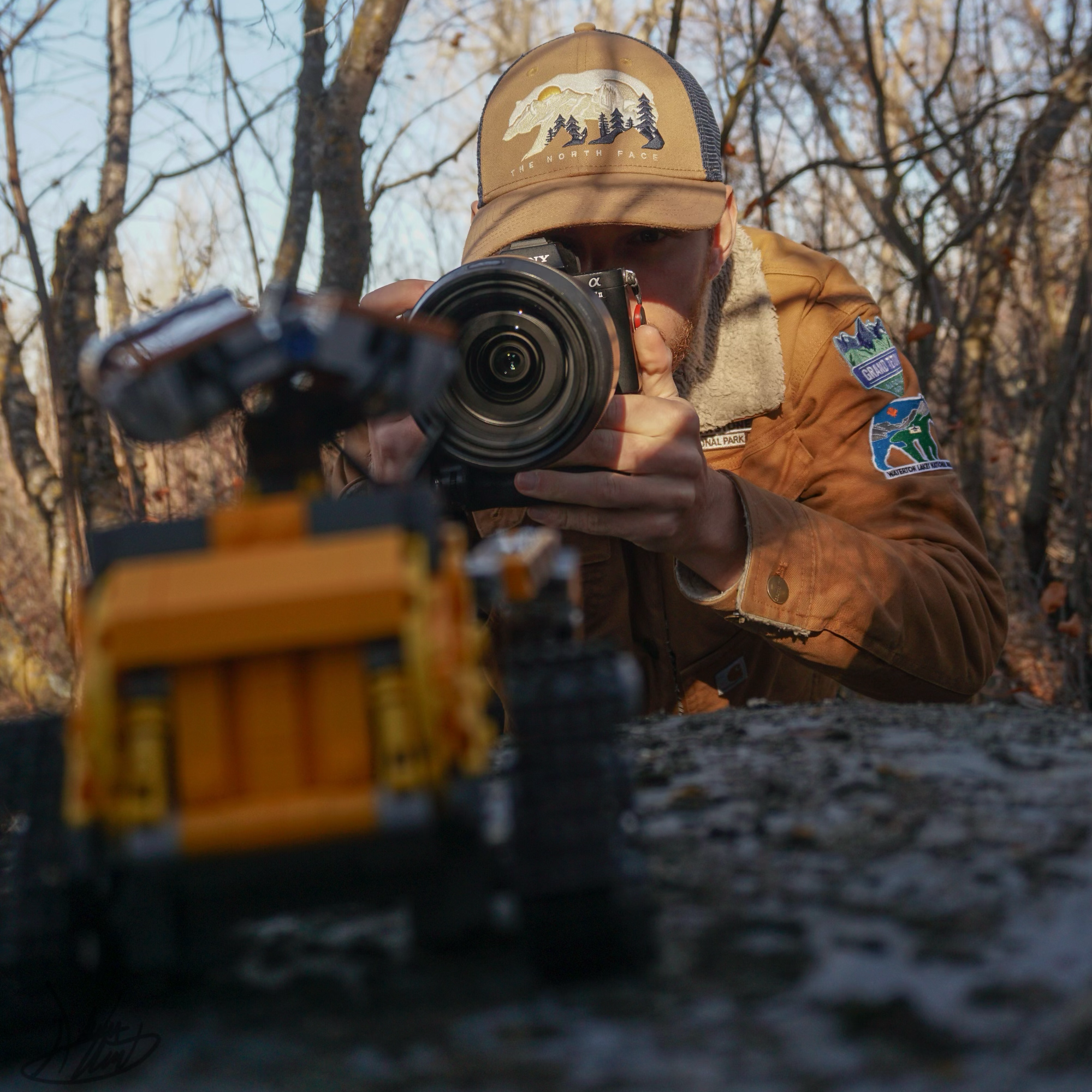
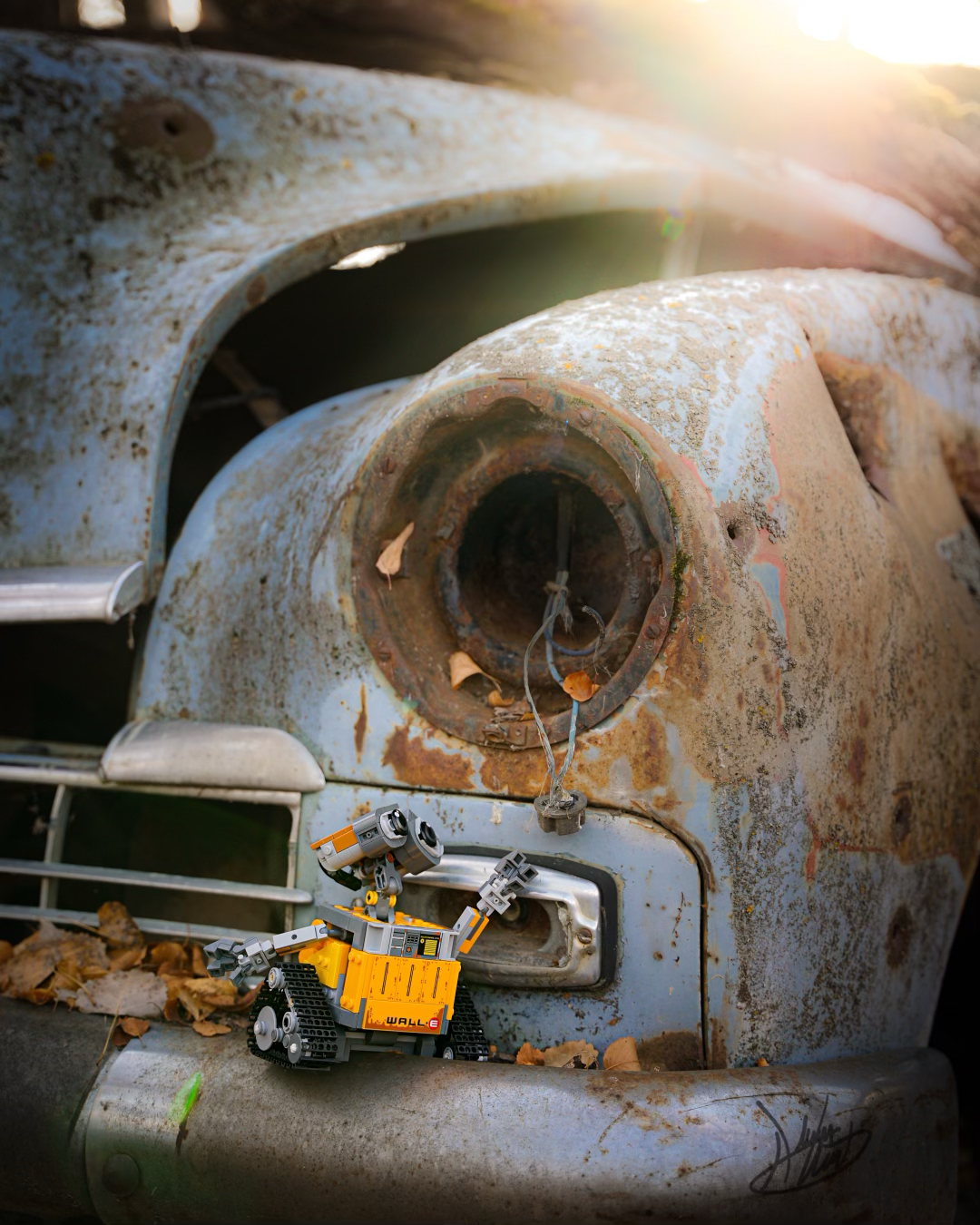
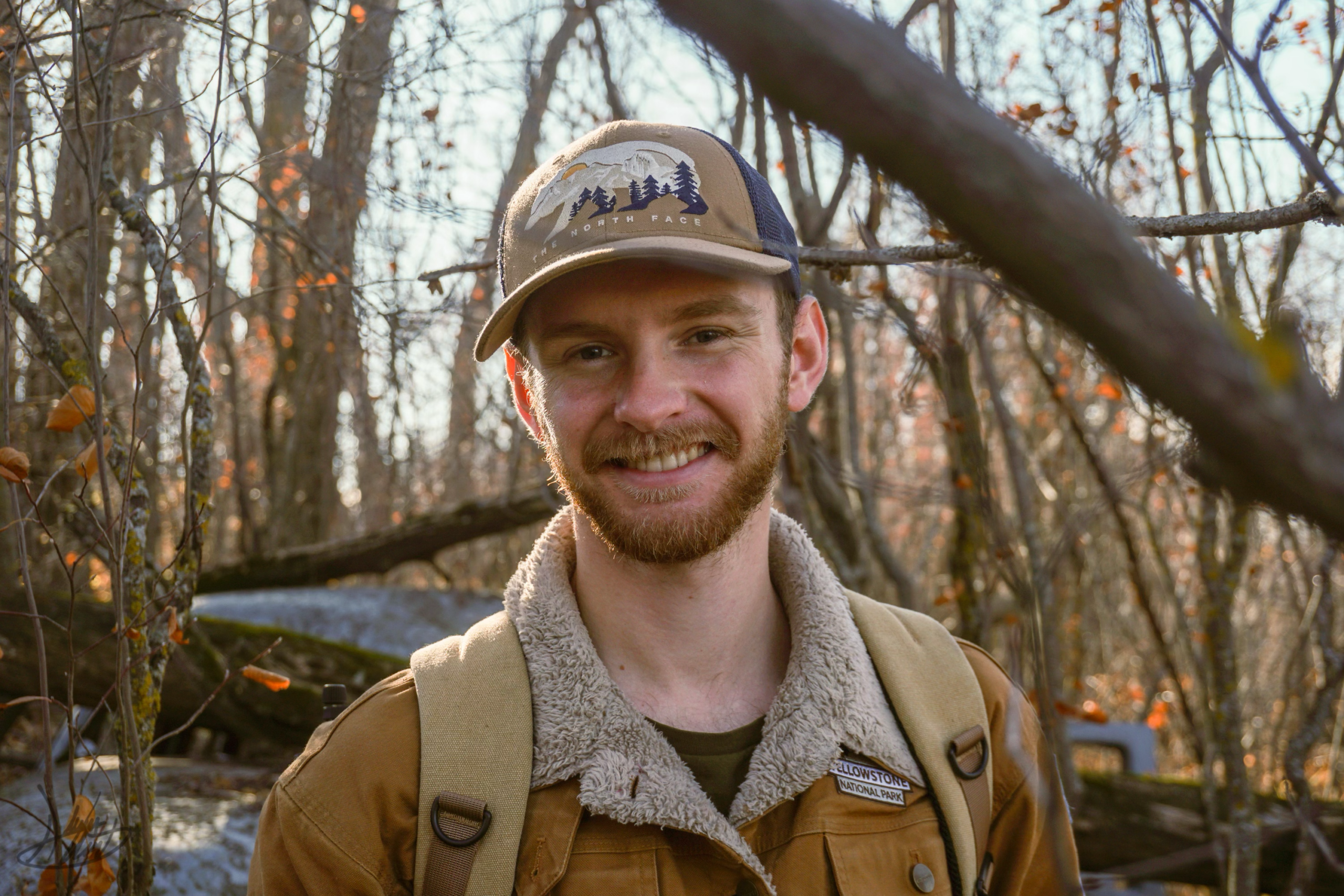
Alexander Webster is the kind of guy that does it all: he keeps busy as a final-year mechanical-engineering student, Huskie Track and Field athlete and member of the Army Reserves.
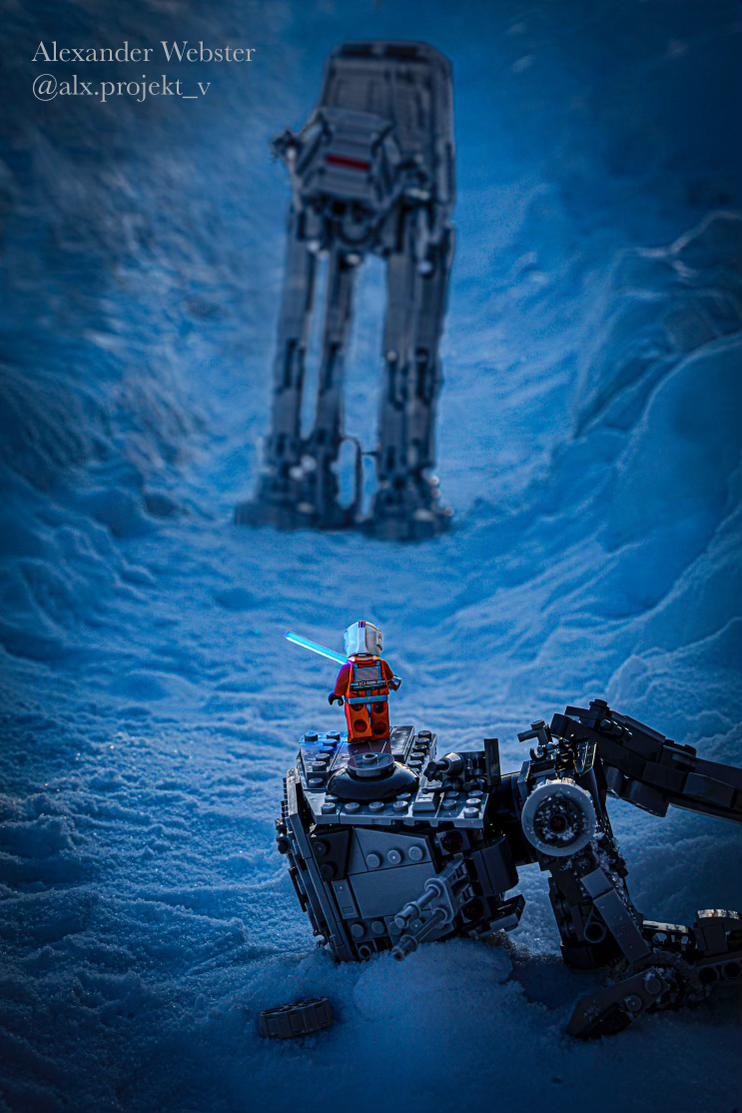
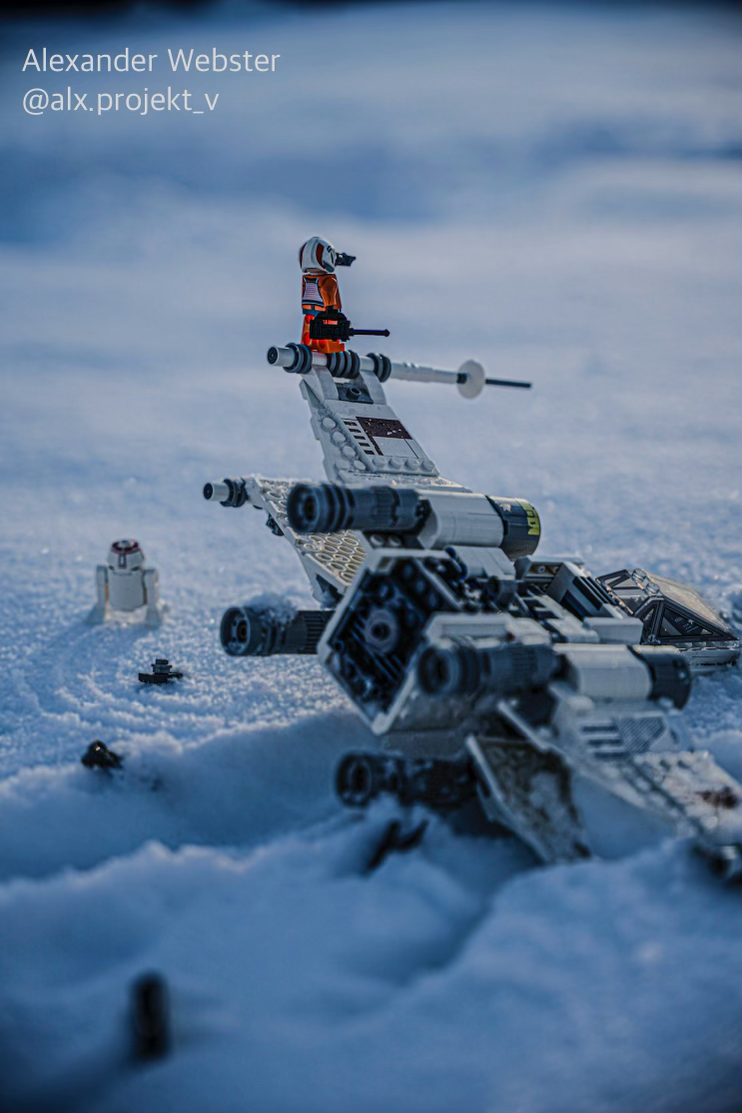
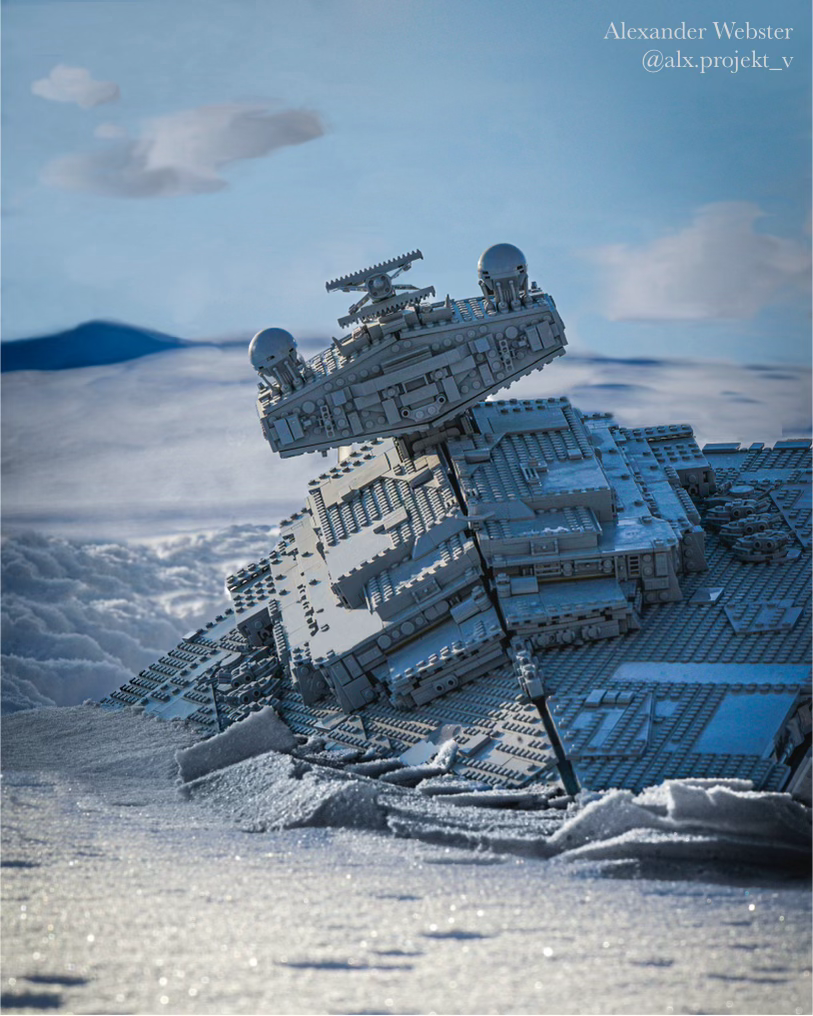
But more recently, he has found himself gaining fame in a niche and creative part of the internet. Known by the username @alx.projekt_v, Webster has stumbled into a new hobby: LEGO photography.
His photos take advantage of the Saskatchewan climate and he initially gained traction with shots of expensive Star Wars LEGO sets buried in the snow, recreating famous scenes from the series. He’s since expanded to all kinds of environments, with LEGO sets buried in sand, between trees in a forest, frozen in ice and more.
In just over a year, he’s amassed over 300,000 followers across Instagram, TikTok and YouTube, with dozens of videos surpassing a million views. So how did a regular guy from Saskatoon become one of the fastest-rising LEGO creators online?
This endeavour started as a simple attempt to try and learn photography. His girlfriend’s existing interest in nature photography inspired him to give it a shot as well. He bought a camera off Facebook Marketplace and around the same time, LEGO released a set based on a book he was reading: The Endurance — an iconic ship trapped in ice.
“When those three things kind of all came together at once, of me buying a LEGO set, it snowing outside and getting a used camera, I kind of thought, well, maybe I could just practice some of the fundamentals of photography on my LEGO because I could just do that in my backyard, and then people seemed to really like it, which kind of set me on the path of just doing LEGO.”
Webster’s love for the toy bricks dates back to childhood.
“I’ve loved LEGO since I was super young, and then over the past few years, I’ve just kind of gotten back into it, buying new sets on Facebook Marketplace … I’ve always played with it, and I liked making these kinds of scenes as a kid; I just never took photos of those scenes. So now I’m just doing the same thing that I used to, but hitting the shutter button on a camera. This specific hobby is a really nice creative outlet for those other aspects that are a little bit more serious.”
His engineering background has served him well in his process.
“I like the statistics. I like seeing what works. I think a lot of that comes from the engineering side of things. A lot of people don’t like the algorithm, but I like it. It’s a fun challenge. I think of how I adapt my work to best fit with whatever the current environment is, and I feel like that’s really helped me grow quickly, even if it comes to building a website quickly or making calendars. Just having the confidence that if you sit down and learn how to do it, you’ll be able to do it.”
Webster’s process usually begins by picking the set he wants to work with, sketching a picture of what he envisions for his photo and then taking it outside and spending about 30 minutes taking photos. After that, he edits the photo and, from start to finish, says the process takes about 3.5 hours.
Part of Webster’s rapid growth comes from the originality of his approach.
“I do feel like the niche that I found, and the reason why a lot of the growth has been so quick, is that at the end of the day, I’m the only one taking out a $1,000 LEGO set and just throwing it in the snow and taking photos. Because ultimately, I don’t care if I miss a piece.”
When he first started posting his photography, Webster recalls telling his parents about it after reaching 1,000 followers in just 17 days.
“I remember talking to them and being like, I think if I keep this up, I could get to 4000 [followers] by the end of the year. So that was my goal, but it was shifting every month as I hit the next [milestone]. 100k in one year was kind of like the unspoken ‘could you imagine? That’d be insane?’ So it was pretty cool to hit it, and I hit it with only three days [left in the year].”
A major turning point came when he adopted a new perspective on his content.
“I focused more on the process … I posted a video talking about how I think with AI art, people are going to start valuing the process of making art more … After posting that video and starting to post more behind-the-scenes content, [the] account just skyrocketed. I think that’s kind of an indication that that sort of sentiment is right. People like to see the human part behind [art].”
He also sees his work as something AI can’t replicate right now.
“LEGO, unironically, are probably one of the most difficult things for [AI] to replicate, just because there’s so much geometry … all the little bumps that need to be perfect, but who knows, even if [AI] can in the future, they’re not going to be able to make a video of taking the set out in the desert and talking about why, right?”
Despite the growth, authenticity remains his priority.
“I could really have no shame and get a lot of views … But everything that I’ve posted up till now has been something that if I have kids in the future, I’d be okay with them seeing … Sometimes tricks that work with the algorithm don’t always vibe with who you are as a person, so it’s just making sure that you stay authentic.”
Webster’s audience is primarily from North America, with a surprising amount in Germany, too.
“I’ve sent a decent amount of calendars to Germany. There’s some interest there, so I’ve actually thought, ‘Do I use German songs? Do I post at two in the morning so I can get them when they’re all waking up?’”
For an entire year, Webster kept a journal tracking the analytics of his posts to try to find any patterns, such as whether the time of day he posted affected the success of his videos.
“Now I’m realizing that it’s really the content of the video. If you have a video that is good, it will do good no matter what time you post.”
He has embraced the ups and downs that come with the content creation and doesn’t stress too much if things don’t go as planned. At the end of the day, the photos are still for him.
“It’s so much easier to embrace the cycle rather than try and figure out why you’re going through dips or rises, or if you’re at a rise, you’re like, ‘Well, how do I sustain this always?’ Well, you can’t … and then if you had a dip, you’re like, ‘Well, what if I’m like this forever?’ You’re not going to be.”
He adds:
“I think I am fortunate in that what I like doing has worked. My photos that initially went viral to build my account, I was taking those photos for me. I wasn’t taking those photos for the algorithm.”
Looking ahead, Webster plans to expand into making longer-form content on YouTube.
“I think YouTube is super unique in the sense that it’s the only platform that exists nowadays where people still have the attention span to watch a 20-minute video … I have lots of questions that come in [asking how I create content] and I want to make videos answering that and even videos just talking about what we talked about here.”
He also wants to experiment with new media and tie his engineering background into his photography.
“Some ideas I have are working with water or fluids …We learn fluid dynamics in mechanical engineering, and turbulent flow. I think it’d be neat to find a way to tie my degree into photography.”
Outside of LEGO, Webster continues to balance many commitments, including school, running, the Army Reserves and his future in engineering. He’s lined up a job at Cameco’s uranium mines and is looking forward to getting started after he graduates.
“If there comes a day when I can just do photography and have a little bit more serious work that comes with the Army Reserve, that’s a great balance to me. I approach things optimistically but cautiously, so I’m not about to graduate university and try and go full-time content creator right off the bat; I’ll work a couple of years at least until it becomes beyond obvious.”
The journey up until this point has been rewarding in ways he never expected. Webster’s favourite reaction to his photography is hearing that he inspired someone else to pick up a camera.
“When I would look at these LEGO photographers when I was in elementary school, some of these guys have been doing this for almost 10 years now. And then now I look at my account up there with them. I get people tagging me or messaging me saying, ‘I did the shot inspired by your account’ … I’m on the flip side of it now, which I never would have thought.”
One of his mantras is “Better dirty than dusty.” It applies to his content, of course, but it can also be applied to all aspects of life.
What’s the point of having something if you’re just waiting for the perfect day to use it? Why not use something and get joy out of it, rather than let it collect dust? Sometimes you have to get your hands (or LEGO) dirty to discover what you’re capable of. And once you do, embrace it fully!
Find Alexander Webster’s accounts on Instagram, TikTok and YouTube – @alx.projekt_v!

Leave a Reply