
THE UNIVERSITY OF SASKATCHEWAN’S MAIN CAMPUS IS SITUATED ON TREATY 6 TERRITORY AND THE HOMELAND OF THE MÉTIS.
THE UNIVERSITY OF SASKATCHEWAN’S MAIN CAMPUS IS SITUATED ON TREATY 6 TERRITORY AND THE HOMELAND OF THE MÉTIS.
Trying to find my peace in a world of uncertainty
I didn’t start a commonplace journal to be impressive or disciplined. I didn’t do it to fix myself or make sense of the world. I started one because every time I opened my phone, it felt like the world was ending … again … and I needed somewhere quieter to place my attention.
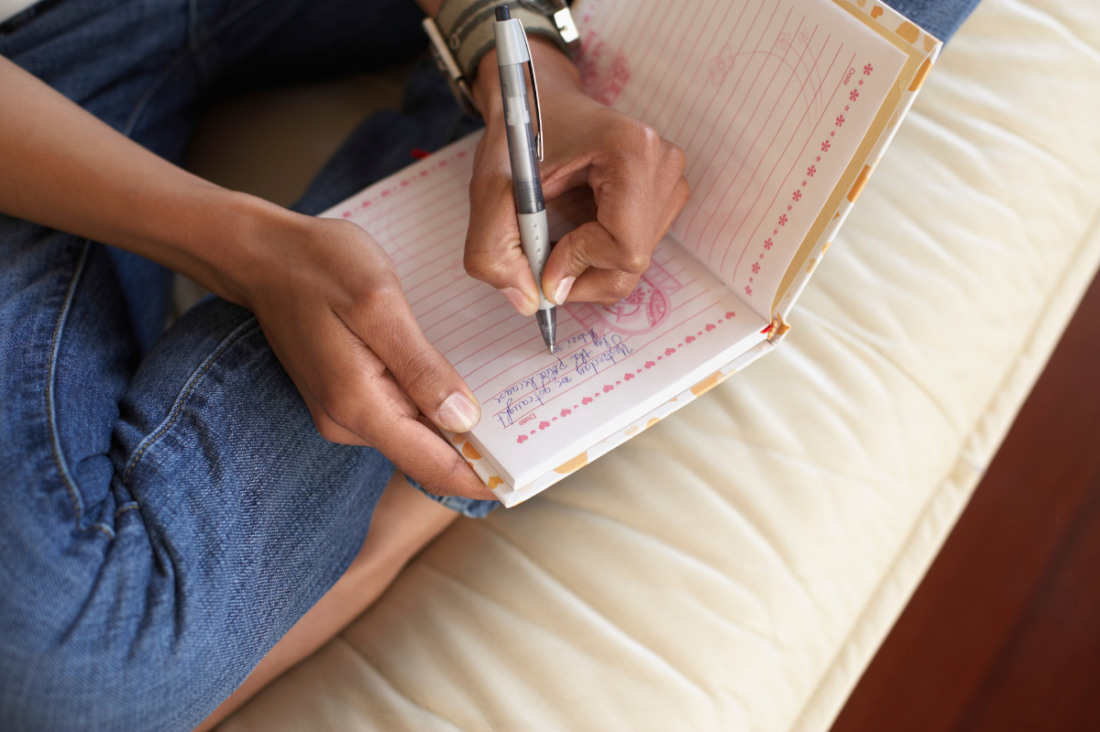
A commonplace journal, for anyone unfamiliar, is a collection of notebooks. It’s where you write down quotes, thoughts, lyrics, passages from books, overheard conversations or ideas that linger with you. Truly, anything you want to put in it that feels like you, you can do. There’s no requirement to be original or insightful. You’re not creating so much as gathering and dreaming. Historically, people used them to collect knowledge. I use mine to collect steadiness, a space that feels like me in a way I can see myself out of my own view.
Because everything feels loud right now.
It’s almost impossible to exist as a student today without being constantly aware of what’s happening in the world. Government decisions, international conflicts, economic uncertainty, climate anxieties, shifting policies, rising costs — it all reaches us instantly. News updates don’t wait for us to be ready. They arrive during lectures, between shifts, late at night, early in the morning. Awareness has become constant and often overwhelming.
In spite of this, staying educated matters. It always has.
Being informed helps us understand how decisions are made, how systems affect our lives and how we can participate in society in a meaningful way. It allows us to vote thoughtfully, take responsibility and recognize when information is misleading or incomplete. In times of uncertainty, education can be grounding. It gives context instead of panic. It replaces rumours with understanding.
However, somewhere along the way, staying informed began to blur into staying perpetually overwhelmed.
There’s a difference between being educators and being consumed. Between awareness and overload. Responsibility and emotional exhaustion. Many students carry a quiet pressure to always be paying attention, to never look away, to never disengage. It can feel like stepping back, even briefly, is the same as not caring.
That pressure is heavy.
When everything feels urgent, nothing gets processed. When every issue demands your full emotional response, burnout becomes inevitable. You can’t meaningfully engage with complex global and national issues if you’re constantly depleted. You can’t think critically if your nervous system is always in fight or flight mode.
I realized that while I was staying informed, I was also losing space for myself. I was consuming information endlessly, but rarely sitting with my own thoughts. I was reacting instead of reflecting, and reflection is where understanding actually deepens.
So I started writing things down.
Not headlines. Not arguments. Just small things. A sentence from a book that made me pause. A lyric that felt honest. A thought about how winter light looks softer in the late afternoon. A reminder that I once felt calm drinking coffee and watching snow fall, and that calm was still possible.
What surprised me was how grounding it felt to engage with the world in a way that wasn’t reactive.
A commonplace journal doesn’t demand urgency. It doesn’t update. It doesn’t tell you what to think. It asks you to slow down enough to notice what stays with you after the noise fades. Writing by hand forces your thoughts to move at a human pace. It creates distance between you and the constant stream of information, without disconnecting you entirely.
This kind of pause isn’t avoidance, it’s just regulation.
Staying educated does not require constant exposure. In fact, learning often happens better when paired with rest and reflection. You absorb information more clearly when you give your mind time to organize it. You think more critically when you aren’t emotionally flooded. Stepping back from what you can’t control allows you to engage more thoughtfully with what you can.
There’s also an important distinction between awareness and responsibility. We are not meant to carry the full emotional weight of every global issue at all times. Caring deeply does not mean carrying everything simultaneously. It means understanding your limits and choosing sustainable ways to remain engaged over the long term.
Students are often told that these years are meant to be formative and meaningful, but we are rarely taught how to exist thoughtfully during prolonged uncertainty. We were expected to plan futures while watching the system shift in real time. That tension can make rest feel undeserved and now feel inappropriate.
However,joy and gentleness are not signs of ignorance.
Doing things you love like journaling, painting, cooking, running, rereading a favourite book and listening to music without multitasking doesn’t mean you’re disengaged from the world. It means you’re staying human within it. These moments don’t erase real problems, but they remind us why solutions matter in the first place. They give us something worth protecting.
My commonplace journal isn’t always profound. Some pages are messy. Some are just fragments. Some weeks, I don’t open it at all and that’s okay. This practice isn’t about discipline or self-improvement. It’s about permission. Permission to step out of the constant cycle of reaction and into a quieter form of awareness.
In choosing to write small things down, I wasn’t turning away from reality. I was choosing how to meet it.
The world may feel unstable. Governments change, policies shift, crises unfold. Staying educated through these moments matters. It helps us respond with clarity instead of fear. However, it’s equally important to recognize what is outside our immediate control and not allow it to consume our entire inner world.
You are allowed to care and still rest.
You are allowed to stay informed and still step away.
You are allowed to love small, ordinary things while living in complicated times.
The world isn’t ending all at once. It’s unfolding, moment by moment. We are still here inside those moments, choosing where to place our attention. Sometimes that choice looks like reading the news. Sometimes it looks like closing your phone and opening a notebook.
Both can coexist.
If everything feels like too much right now, you don’t need to disengage completely or carry everything alone. Maybe you just need a small, personal way to stay grounded while staying aware. A place to collect what steadies you. A reminder that caring about the world also means caring about yourself.
Sometimes, that balance is what keeps us going.
Leave a Reply