
THE UNIVERSITY OF SASKATCHEWAN’S MAIN CAMPUS IS SITUATED ON TREATY 6 TERRITORY AND THE HOMELAND OF THE MÉTIS.
THE UNIVERSITY OF SASKATCHEWAN’S MAIN CAMPUS IS SITUATED ON TREATY 6 TERRITORY AND THE HOMELAND OF THE MÉTIS.
My journey through two incredible months, filled with soccer, friendship and growth.
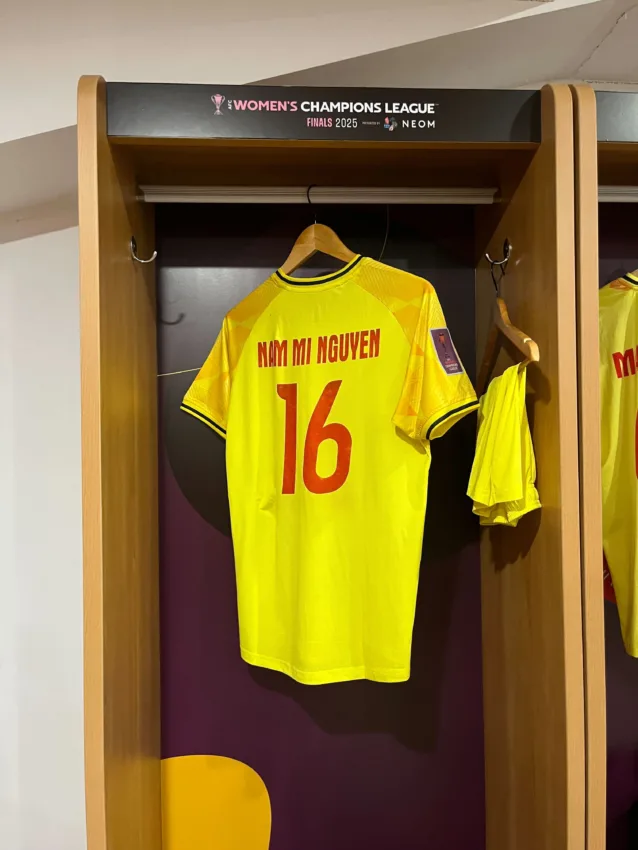
This summer, I had the privilege of joining Ho Chi Minh City Football Club (HCMC FC) to help prepare for the Asian Football Confederation Women’s Club Championship semifinal. This competition is the highest level of Asian women’s professional soccer, pitting the strongest clubs in the region against one another. I trained with the team for about ten days before we flew to Wuhan, China, for the match. Although I didn’t get to play in the game, which we ended up losing 2-0, I understood the decision. It was a high-pressure game and I had just joined the squad. Still, being part of that journey was one of the most unforgettable experiences of my life.
The days I spent with the team were filled with so much joy and everyone was incredibly kind and welcoming. Each morning, we’d wake up and eat phở or another delicious Vietnamese soup before heading to training or the gym for a workout. If we had a break, we’d stop by a local café to relax and chat. Lunch was followed by a mandatory several-hour nap (that I looked forward to every day), and then we’d train again in the evening. Dinner was a communal affair and evenings were often spent singing karaoke or dancing together.
What stood out to me most was how tight-knit the team was. It felt like one big family. Everyone supported each other, and you could simply come as you were and be accepted. The coaching staff was also entirely made up of women, which was really refreshing, as here in Canada and in many other countries around the world men still dominate most coaching positions in women’s soccer.
Even though I didn’t contribute on the field during the semifinal, I tried my best to help in other ways. I found that my biggest impact came through translating. I helped bridge the language gap between the foreign players and the local staff and teammates. The international players told me it was the clearest communication they’d had since arriving—whether it was tactical instructions, coaching feedback, or just everyday jokes and conversations. I believe those small moments of connection helped strengthen the team’s bond.
After my time with HCMC FC, I received a call-up to the Vietnamese National Soccer Team, making history as the first overseas player to join the squad. It was a bit crazy because Vietnam is so passionate about soccer, and I therefore received quite a bit of media attention. The first day after training with the national team, I distinctly remember watching the news with my grandparents when suddenly, I popped up on the screen! I was also interviewed lots and have several articles and videos online about me now. It was certainly another factor that took some getting used to, but it was pretty cool and everyone was very supportive and respectful. I really felt the love from my home country.
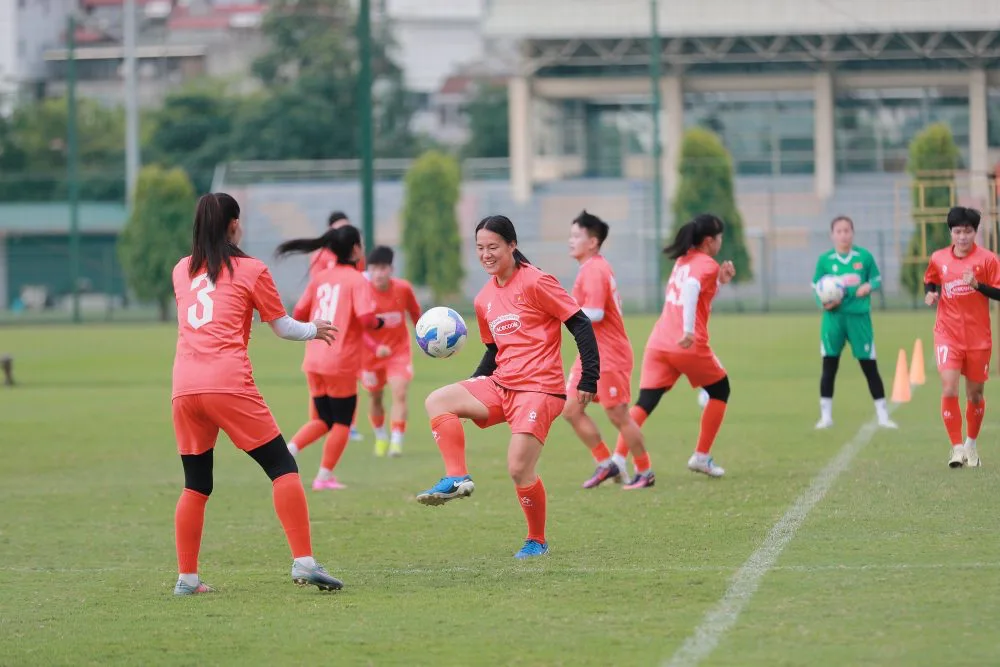
I spent another four weeks training with the national squad and even travelled to Japan for ten days as part of our preparation for the Asia Cup Qualifiers. Unfortunately, I was cut from the final roster just before the competition began. While it was disappointing not to play in a major match, I’m still incredibly grateful for the opportunity. I had so much fun, learned a lot, and walked away with no regrets. I knew that I had plenty to work on and it was a pretty steep learning curve adapting to a different soccer culture and trying to keep up with senior players that have been in the system for years.
One of the most interesting aspects of this experience was seeing how different the style of play is in Vietnam compared to North America. Here, soccer tends to emphasize physicality and individualism. Players often rely on dribbling, one-on-ones, flank play, aggressive pressing and hard tackles. In Vietnam, the game is much more about the collective. Quick passing, tight combinations and structured repetition are key. There’s a strong emphasis on passing patterns and team coordination, which I think reflects the country’s more collective culture and hierarchical coaching style. It took time to adjust, and even by the end of my stay, I still wasn’t fully used to it. However, I gained a valuable new perspective that I can carry into my future soccer environments.
The people I met in Vietnam were incredibly talented and deeply committed to the sport. For many of them, soccer isn’t just a passion—it’s their livelihood. Their days, months and years revolve around the game, often leaving little room for anything else. A lot of my teammates came from underprivileged backgrounds and couldn’t afford to attend university. For them, soccer was a way out—a chance to earn money and support their families. Many of them left home as teenagers to join a club, and now only see their loved ones a few times a year due to their demanding schedules.
What struck me most was that many of these players didn’t come from major Vietnamese cities like Hanoi or Ho Chi Minh City, but from rural areas and small towns. In urban centers, academics are often prioritized, and sports can be seen as secondary. However, in the countryside, soccer could be viewed as a path to a better life.
Another surprising difference is that children in Vietnam don’t typically start playing sports formally until around age 12, and in general, it’s less fortunate people who pursue professional sports. By contrast, in Canada, kids are encouraged to try sports as soon as they can walk, but it’s usually more financially comfortable families who can afford it. Comparing their circumstances to what we have here, I’ve decided that I am basically never complaining about anything ever again. We are so privileged with all the resources, funding and support that we have as Canadian athletes.
Despite their talent and sacrifice, these women receive far less recognition and support than they deserve.
Women’s soccer in Vietnam has so much potential, but it’s still facing significant challenges. The professional league has existed since 1998, which is impressive in itself. However, after nearly three decades, the conditions, exposure and investment haven’t kept pace. There are only six clubs nationwide—a surprisingly low number for a country with nearly 100 million people.
Salaries remain very low. Although room and board are covered, it is nothing luxurious, and a pair of new cleats can equal half of the average player’s monthly salary. If you are part of the national team, then you receive more compensation, but that’s only a small minority of all of the players in the league.
It’s hard to pinpoint a single reason for this stagnation. From what I observed, there’s still a lot of uncertainty and hesitation from the public when it comes to women in sports. Traditional cultural expectations encourage girls to be feminine, marry as soon as possible and raise families. The image of a professional woman athlete doesn’t quite align with these norms.
The disparity between the men’s and women’s teams in Vietnam is also impossible to ignore. Male players receive five-star accommodations, million-dollar contracts and massive public attention—even though they’ve achieved far less on the international stage. Being a professional women’s soccer player isn’t nearly as glamorous, but for my teammates, it’s created opportunities they might never have had—and they’ve truly made the most of them.
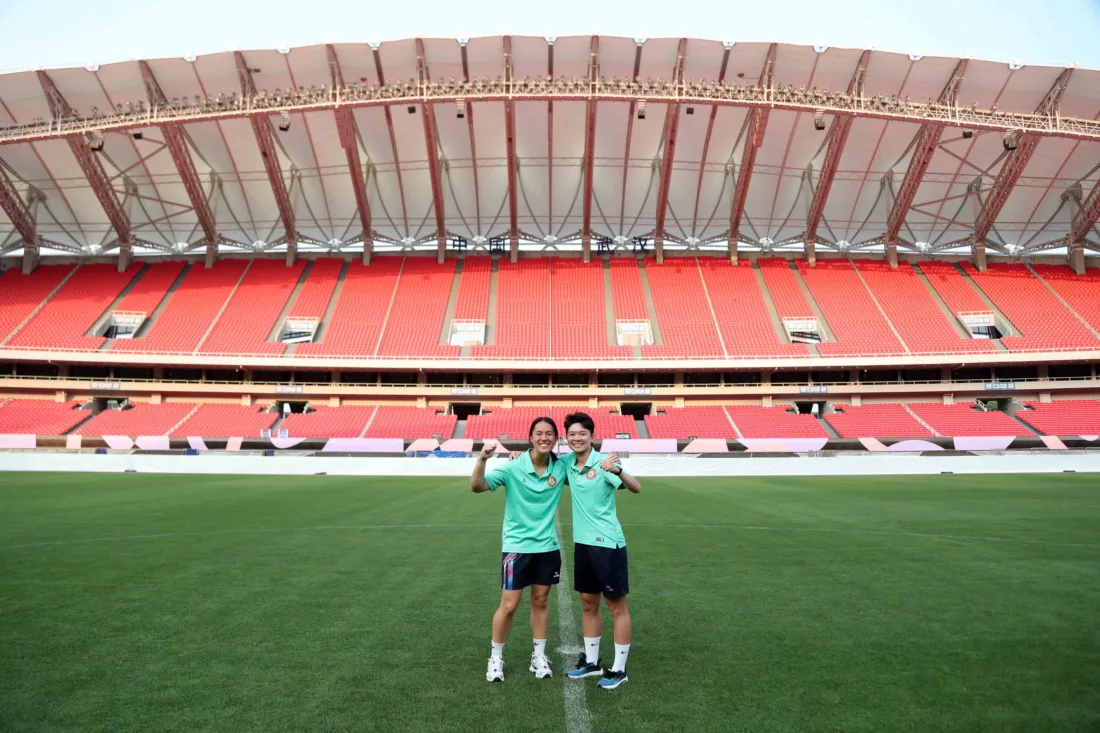
Vietnam’s women’s national team has been historically dominant in Southeast Asia. The national team system, while imperfect, is still ahead of many other countries in the region. Thanks to the sport, these women have travelled across the world. In 2023, they participated in the FIFA Women’s World Cup for the first time—a massive achievement for both the team and the country.
Beyond their passion, the players and coaches are some of the most genuine and down-to-earth people I’ve ever met. They hand-wash their clothes even when laundry service is available. They get excited when they see fresh fruit growing in trees or vegetables ready to be harvested, squatting down to pick leaves to take home and cook later. They always make time to talk to fans who recognize them and will play with any children who stare at them. They insist on paying for meals or coffee, even when I try to pay my share. There’s an unspoken culture of looking out for one another—if you pay this time, I’ll get it next time (though they rarely let me).
One of the most emotional moments for me came after I was cut from the national team. I went to watch one of their games from the stands and when I waved at them, they waved back with so much enthusiasm and warmth. I was overwhelmed by their kindness and the bittersweetness of saying goodbye, at least for now.
Overall, I’m just so grateful to have had this opportunity. I had never spent this much time in Vietnam or been so deeply immersed in the culture. Usually, I visit for a few weeks to see family and vacation. But this time, I was working, training and building so many new connections. I can genuinely say I befriended Vietnamese soccer legends—and I can attest to how kind, fun and humble they are. They’re just normal, lovely people.
I’m incredibly proud to be Vietnamese. I love my country, the people and the culture. We have the best food in the world and the people are warm and generous. I’m thankful to my parents for helping me keep my Vietnamese language skills and instilling a love for my country from a young age that really blossomed after this experience.
This experience gave me more than just football; it gave me a deeper connection to my roots. It challenged me in ways I didn’t expect and showed me how much I still have to learn—not just about soccer, but about myself and my identity.
Even though there were moments of loneliness, confusion and frustration, there were also countless moments of joy, laughter and genuine connection. I don’t know exactly what’s next, but I know I’ll carry this chapter with me always—with pride and so much gratitude for the people who made it unforgettable.

Leave a Reply