
THE UNIVERSITY OF SASKATCHEWAN’S MAIN CAMPUS IS SITUATED ON TREATY 6 TERRITORY AND THE HOMELAND OF THE MÉTIS.
THE UNIVERSITY OF SASKATCHEWAN’S MAIN CAMPUS IS SITUATED ON TREATY 6 TERRITORY AND THE HOMELAND OF THE MÉTIS.
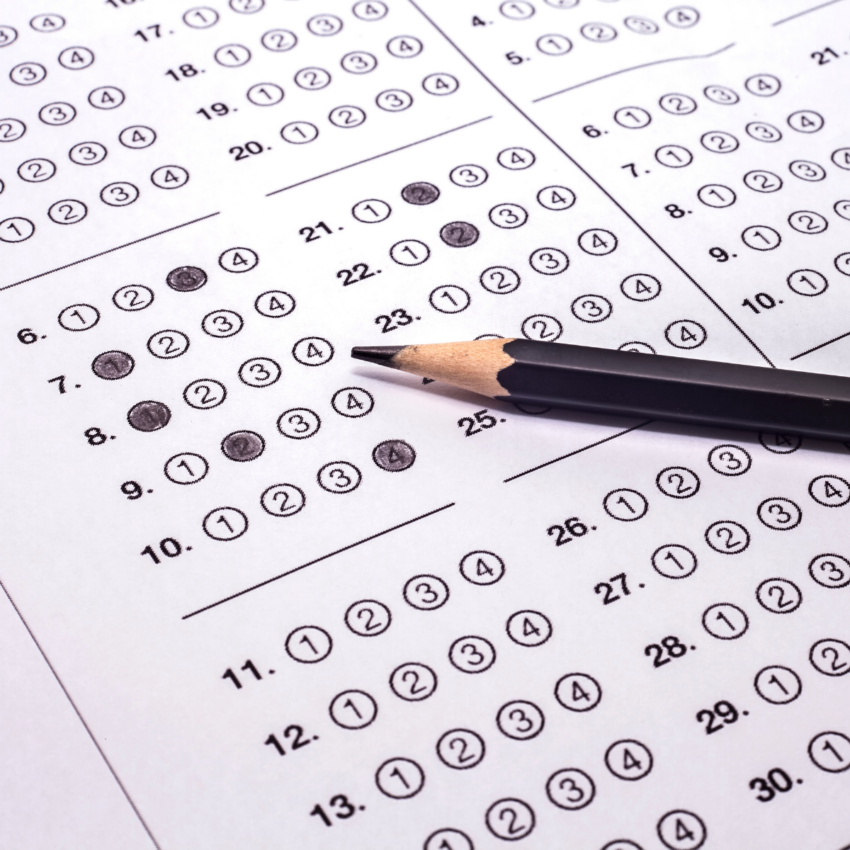
After years of burnout and perfectionism, I learned that choosing balance over panic makes all the difference.
I have had very up and down experiences when it comes to exams. I do not think this is a profound feeling at all, but I may be one of very few who have had a love-hate relationship with them. Sometimes exams have felt like a chance to prove something to myself, almost like a checkpoint that showed I was moving forward. Other times, they have felt like the exact opposite, like a spotlight shining too brightly on me on stage as I failed to remember my opening monologue. Depending on the year and the version of myself I was in at the time, exams could either energize me or drain me completely.
It is strange how the same experience can feel empowering in one stage of your life and suffocating in another, but my relationship with exams is constantly shifting and never predictable.
Back in elementary school, taking an exam felt like a game. It was a way to show off my knowledge in a timed manner, almost like a little competition where the only opponent was myself. I remember progressing through each question as if I were unlocking levels in a video game. The excitement built with each page I turned, and that exhilaration surged again when I got my mark back. My grades were my main source of validation. I fed off the exhilaration each time, convinced that doing well meant this was what I was best at.
In high school, the environment shifted because there were more students, and everyone was suddenly just as smart as I was. However, exams still felt the same to me. I did not get intimidated the way others did and still had that weird spark of enjoyment. I approached exams with the same giddy energy I had as a kid.
The transition from high school to university, especially during the chaos of the 2020 pandemic, was nothing like what I expected. Everything from the structure of classes to the rhythm of life felt disrupted. Even though I was naturally a hard worker, my procrastination got worse. I procrastinated everything, not because I did not care, but because everything felt heavier.
I still did well, but I got used to doing just enough to accomplish what I needed without putting my full effort into studying. This change impacted me more than I realized at the time. I stopped chasing that excitement I used to feel and started resorting to basic survival instead.
It was not until law school that my entire approach changed. Suddenly, I was studying, genuinely and consistently, and because I was not used to that level of commitment, I could feel myself burning out. It was not the satisfying disciplined work people romanticize. My old habits no longer worked, but my new ones were not sustainable either. By the time the second year arrived, I decided I needed to approach things differently. I chose to prioritize my well-being, intentionally and without guilt.
I spent time with people, even when my inner voice insisted I did not have the time for it. I let myself enjoy little things without attaching guilt to them. I began doing this frequently in the first semester, and honestly, even though my exams were brutal, I did not feel as miserable afterward as I had in previous years.
The real surprise was realizing that the world did not collapse when I chose balance. In fact, I was able to enjoy my winter break without constantly worrying about grades, something that never happened in undergrad. When my grades finally came in, I was grateful I had not wasted that time stressing for no reason.
My January to March are much busier now because I do not have exams, so everything is wrapped up by the end of March or early April. The semester feels chaotic, but in a different way. There are more deadlines, more writing and more overlapping commitments. To handle that, I doubled down on being consistent with my well-being by signing up for Pilates during my winter break. At the time I am writing this, it has been a month since I joined, and it has already made a noticeable difference in my mental health, along with the physical benefits. This decision to choose myself every day, to choose movement and routine, has already changed the way I show up for everything else.
I also have been making myself see people more often, even if it is for a short coffee chat. I have set early deadlines for myself so I could finish things way ahead of time this semester, which made everything feel more doable and less overwhelming. Being more time efficient does not magically remove stress, but it quiets it and makes it easier to manage.
What I have realized this year is that most of us really do have more time than we think we do, if we reduce the time we spend on our phones. Losing hours without realizing it was normal for me at one point, and acknowledging that was uncomfortable and still is. However, putting the phone down more often genuinely works, and I hope the time I spend on it decreases.
Exams themselves were never the real antagonist in my life. It was the lifestyle I built around them. I used to let grades dictate how I lived, how I rested and how I perceived myself.
At the time this is published, I will have just started my final year of law school. I have a strong feeling that the second semester of my second year will go even better than the first. I hope that by then I can carve out even more time for myself by continuing to implement habits that keep me off my phone, keep me grounded and keep me from slipping back into the version of myself who accepted burnout as a normal part of her life.
I have learned that the bad habits we cling to because of school deadlines do not have to define us. We can choose to change them by rebuilding better ones. It is easier said than done, but once you try it out and keep it going, the reward of your discipline truly pays off. The healthier we are mentally, socially and physically, the better we perform. I wish I had understood that sooner, but I am glad I finally did, and I hope these habits of mine get stronger from here on out.