
THE UNIVERSITY OF SASKATCHEWAN’S MAIN CAMPUS IS SITUATED ON TREATY 6 TERRITORY AND THE HOMELAND OF THE MÉTIS.
THE UNIVERSITY OF SASKATCHEWAN’S MAIN CAMPUS IS SITUATED ON TREATY 6 TERRITORY AND THE HOMELAND OF THE MÉTIS.
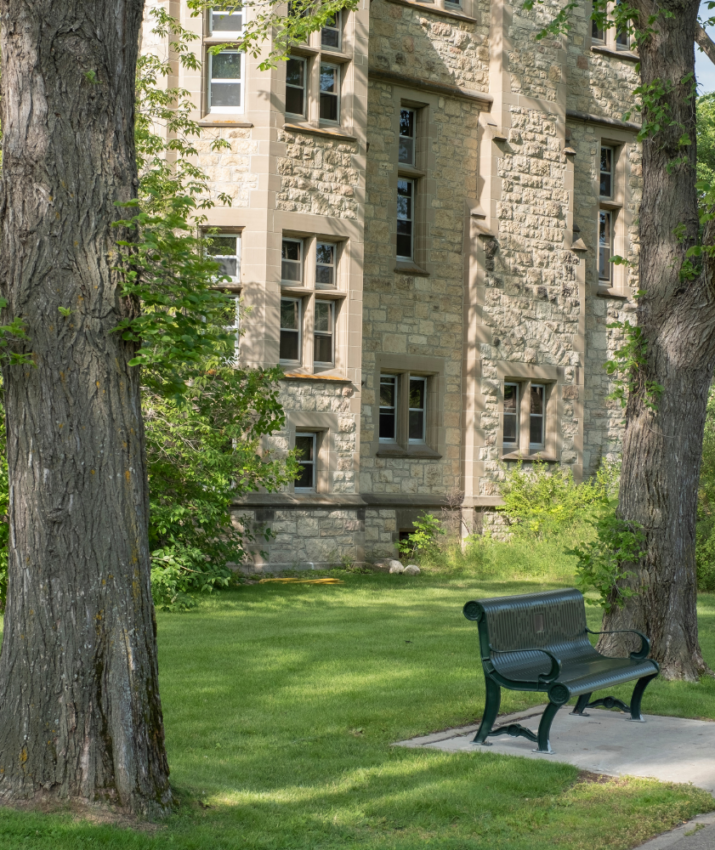
An argument that participating in campus life is an important part of the university experience and develops valuable lifelong skills for students
USask’s contemporary campus culture remains at a lull since the pandemic. Campus events are usually scarcely populated, many campus groups routinely struggle to fill executive positions — even the USSU can hardly get more than one person to run for their paid positions each year.
Alumni can tell you of how Louis would be packed consistently, that The Sheaf used to be a weekly newspaper, the endless and often out-of-hand prank wars between engineers and agros would be a regular feature of campus life.
I’m not saying we need to return to this level of campus life, but it is disappointing that we’ve lost so much. Although USask has grown exponentially, the majority of its student population doesn’t participate in anything. It could be apathy, student burnout or maybe we’ve never recovered a level of sociability that was lost in the pandemic. It doesn’t matter what the reason is. The point is, it sucks. Wouldn’t you want to go to university full of people who participate in things and care about things? Isn’t that how you meet new people, make new friends and have experiences? Wouldn’t it be nice to have a student body that was politically active and fought for things that made students’ lives better?
My argument is simple: if students would like a fuller and more participatory university experience, they must build and maintain a lively campus community. This, in turn, will have long-term positive effects on students’ lives both while in school and long after graduation.
You have likely heard from your parents, fellow students, alumni, professors and maybe even an article in The Sheaf that trying new things and participating in campus groups and societies is an important part of a university experience. This is a great piece of advice, and you should take it. It is not only beneficial for cultivating your own sense of identity and making meaningful connections, but it will also be a much-needed relief from the grind of going to school just to study and work on assignments.
The great thing about participating is that it acts as a snowball. Your participation will have an effect of attracting more participants. Once people hear about this one group that is hosting really engaging and fun events, people will want to be a part of it. It’s also way more intimidating to join a club or union if there’s only a handful of members, because it can feel like a clique.
If you can’t find a group that you feel is worth your time, then make your own. It just entails making a USSU Hub account and getting a few members together who are interested in an idea. If you find there’s a lack in campus groups, fill it. You’ll not only gain practical skills of taking initiative and being a leader, but you will also attract like-minded people to your club.
There are plenty of social benefits to joining a club or society. There are also important political ones too. The things we take for granted on campus — like our USSU healthcare plan, sports and rec programs, even this paper you’re reading — had to be fought for. It had to come from some group of people working together with the goal of improving the lives of students in a meaningful way.
This act of devoting your time and energy is also important in preparing you to be an active and engaged citizen. Most social movements and political causes expect you to give your time and effort free of charge. By engaging in student-led causes and initiatives, you are able to participate in a relatively low-stakes environment that will help you gain the experience needed to fight for the causes that you care about in the future.
And importantly, if you don’t want the above services anymore, want to add different kinds of services or update them, then you will likewise have to work together with a group of people to change it. The process of stepping outside of being an individual might seem uncomfortable, but it is well worth the autonomy gained by being a part of an active collective.
It’s completely understandable to want to remain self-interested instead of community-minded. The friends made while you were volunteering for some campus group aren’t going to pay your bills in the future. But self-interest in itself does still support the argument of building a strong university community.
The process of networking is engaging with others and building relationships. The sharing of ideas and learning new concepts is based on some basis of a relationship and understanding with you and your professor. The fulfillment of being a part of a community of peers and friends at school is a necessary feature of a rich university experience and your mental health. Even though these things are motivated by self-interest, all of them involve community. Building relationships with others and meeting new people, therefore, should be the goal if you’re convinced that we should all remain completely self-interested.
Many of us are working second jobs, taking full course loads and some have dependents; therefore, many can’t participate fully in campus life. I still argue that everyone should do what they can based on their own circumstances. Going to a meeting once in a while is better than none at all. Attending a Meet the Profs or a games night at school typically will only take a couple of hours of your time, a few days a year. Take advantage of these opportunities when you can. It will likely not only improve your life but also the lives of the students around you.