
THE UNIVERSITY OF SASKATCHEWAN’S MAIN CAMPUS IS SITUATED ON TREATY 6 TERRITORY AND THE HOMELAND OF THE MÉTIS.
THE UNIVERSITY OF SASKATCHEWAN’S MAIN CAMPUS IS SITUATED ON TREATY 6 TERRITORY AND THE HOMELAND OF THE MÉTIS.
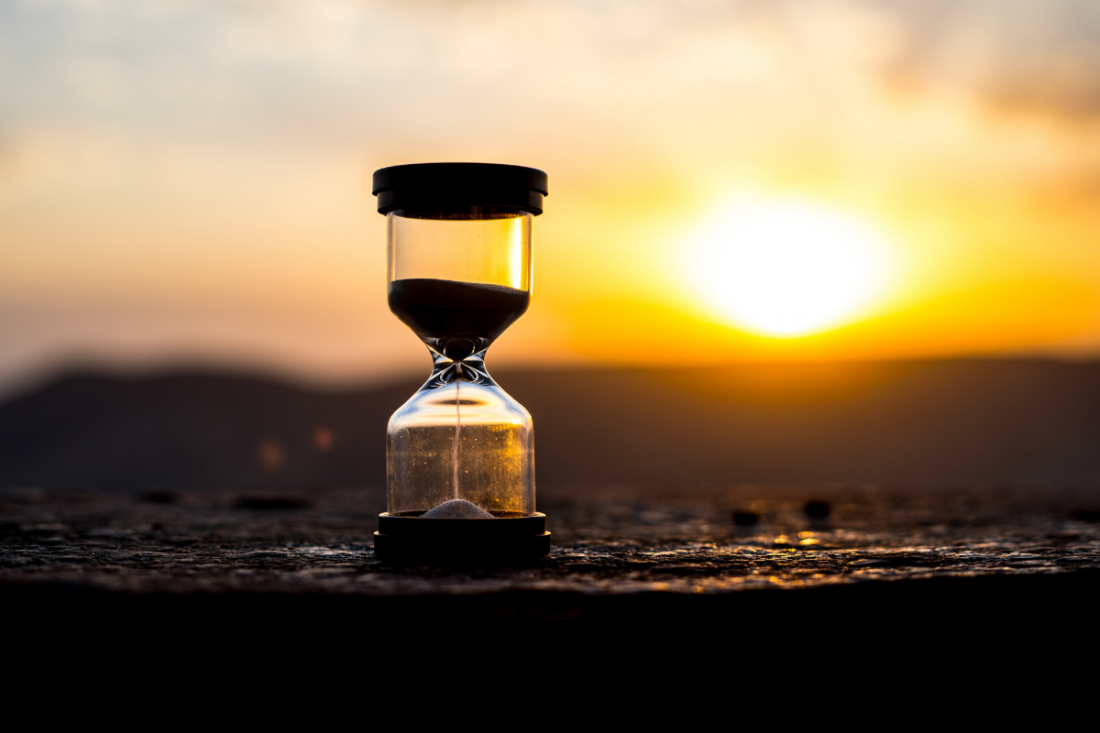
Time feels fast or slow because emotion, attention, routine and presence change how fully we experience our lives.
Time may be measured mechanically, but it is also experienced emotionally.
That is one of the strangest and most universal parts of being a person. The same 60 minutes can feel wildly different depending on what you are doing, how you are feeling, who you are with and whether you want the moment to last or end immediately.
A 10-minute wait for an email reply can feel longer than an entire movie. A week during exam season can feel like both a lifetime and a blur. A single awkward conversation can stretch endlessly, while a whole semester can disappear without asking permission.
We pretend time is consistent because our schedules require us to. Society depends on the fiction that everyone is moving through the day in the same way. Classes begin at a certain time. Shifts end at a certain time. Assignments are due at 11:59 p.m. We organize our lives around neat little units of measurement and call that order. Internally, most of us are living in a completely different system, one shaped less by the clock and more by attention, dread, joy, boredom, stress and anticipation.
That is why there are some hours that feel almost physical in their slowness. Boredom does that, and so does discomfort. So does waiting for something you care too much about. Few things distort time more dramatically than wanting it to move. The more aware you are of each passing minute, the slower it seems to go. You check the clock, and somehow only four minutes have passed. You check again after what feels like a small lifetime, and it has been two more. Time, in those moments, becomes less like a flow and more like a wall.
This is why unpleasant obligations tend to drag. It is not necessarily that they are longer, but that you are fully conscious of enduring them. There is no disappearance into the moment, no loss of self, no lightness. You remain painfully aware of the fact that you are in the middle of something you would rather not be doing, and that awareness stretches everything. These experiences do not just take time, but force you to feel every inch of it.
Meanwhile, enjoyable moments behave with almost insulting speed.
The irony of time is that the moments we want more of are often the ones we feel least while they are happening. Suddenly, it is late, or the trip is over, or the person has left, and time reappears only to tell us it has been moving all along.
This is one of the more unfair parts of life. Misery lingers, and joy rushes. The moments we would gladly shorten seem endless, and the ones we would gladly expand vanish almost immediately.
I do not think this is only about pleasure versus pain. Time also changes depending on how full your attention is. The busier or more mentally occupied you are, the less visible time becomes. When you are absorbed in something, whether that is writing, talking, cleaning, creating, studying well or even spiralling productively through a sequence of errands, time often stops feeling like something you are carrying. You are simply moving through it.
This probably explains why childhood and adulthood feel so different, too. Children are constantly encountering novelty. Everything is slow because everything is new. A trip feels enormous. A school year feels endless. Summer seems to stretch forever. As adults, or even just as students deep in routine, entire weeks vanish because repetition compresses them. We stop noticing, and Tuesday blends into Thursday. One assignment becomes another. Days become categories rather than experiences. We look up in mild horror and realize it is somehow the end of the month.
There is something almost existentially unsettling about that. Time passes differently depending on how awake we are to our own lives. The most forgettable periods are often the ones that vanish the fastest in retrospect. Routine, while necessary, can flatten our sense of time so thoroughly that months feel like they were skimmed rather than lived.
At the same time, highly emotional moments can do the opposite. Grief, anxiety, heartbreak, fear, anticipation, embarrassment, excitement. These feelings alter the texture of time and make moments denser. A short conversation can replay in your mind for hours and take on the weight of something much larger than its actual duration.
That is why some days feel long in the best way, because they are full.
Time feels different depending on whether we are enduring, escaping, anticipating or living. We pretend it is objective because it is measurable, because calendars and clocks give it structure, but lived time has always been more emotional than mathematical.
What changes our experience of time is that we move through it without really inhabiting it, and later it can feel as though whole stretches of life went missing. Anticipation alters time, too. It pulls us forward, making the present feel temporary, sometimes thin, as though real life is always about to begin somewhere just ahead of us.
Living, though, creates a different relationship with time. To really live in a moment is not necessarily to make it extraordinary. It is simply to occupy it fully enough that it becomes real while it is happening. That fullness can make time feel slower in the best sense, not because the moment drags, but because it registers. A day made of such moments often feels richer in retrospect, even if nothing particularly dramatic occurred within it.
That is why people can have periods of life that were outwardly busy, successful or eventful and still feel that those years passed in a haze. It is also why an ordinary season can feel strangely full and memorable. Time is something we meet, resist, waste, fear, savour or barely notice. The quality of that time matters.
In the end, the shape of a life may depend less on how much time we had than on how often we were truly present enough to feel that it was ours.

Leave a Reply