
THE UNIVERSITY OF SASKATCHEWAN’S MAIN CAMPUS IS SITUATED ON TREATY 6 TERRITORY AND THE HOMELAND OF THE MÉTIS.
THE UNIVERSITY OF SASKATCHEWAN’S MAIN CAMPUS IS SITUATED ON TREATY 6 TERRITORY AND THE HOMELAND OF THE MÉTIS.
Do we even use them anymore?
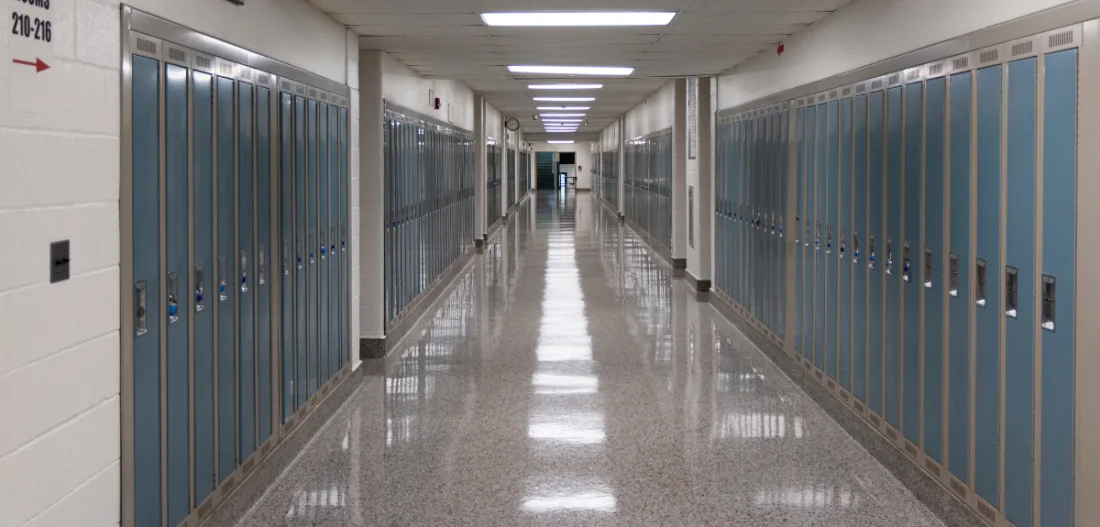
Take a walk through campus when you’re killing time between classes. Not to the library, not to the bowl — just wander the halls. Thorvaldson, Engineering, Arts. You’ll notice something kind of funny once you start looking for it: Lockers. Long rows of them. Metal doors, faded numbers, some with bent doors or dents, some with stickers or written words (like the famed “Smashley” locker in the arts tunnel to Edwards) from years ago. Most of them … completely untouched.
They’re everywhere and yet, somehow, they mostly seem to sit untouched.
Which raises the question: Do we even use student lockers anymore?
At the university, lockers have not disappeared. They have not been removed or banned or replaced. They are still bolted to the walls like they always were, some even being used on rare occasions. But outside of one specific part of campus, they feel less like a useful resource and more like a forgotten background prop. Something that exists because it always has.
Let’s get this out of the way first: gym lockers are alive and well.
If you go anywhere near the PAC or the Education gym, lockers are not just used; they are necessary. You can’t really avoid them. You’ve got a backpack, a jacket, winter boots, a water bottle, maybe indoor shoes or a towel. You can’t bring all of that into the fitness area, and honestly, you wouldn’t want to.
This is especially true for athletes and people who train regularly. If you’re on a varsity team, play intramurals or just go to the gym multiple times a week, lockers aren’t optional. They are part of the routine. Show up. Lock up your stuff. Train or play. Shower. Repeat.
The gym is the only place on campus where lockers still make complete sense. You are always bringing things with you — your change of clothes, extra gear and items you need close at hand. I play racquetball and badminton, so even though I live on campus, I use those lockers because I need a place to store the bag of my indoor shoes, extra racquetballs or badminton shuttles, my winter jacket and winter boots. There’s a clear expectation that lockers are how things work.
Because of that, the PAC and education gym lockers actually feel alive. They are used daily, rotated constantly and clearly serve a purpose.
Outside of that? It’s a very different story.
When was the last time you actually used a locker in the other academic buildings? Not walked past one. Not leaned against one while waiting for class. I mean actually functionally used one. For a lot of students, the honest answer is never. It’s not because students don’t carry things anymore. It’s because the way we move through campus and the way we learn has changed.
Lockers made sense when students hauled around massive textbooks, binders, notebooks and loose papers all day. You’d drop off stuff between classes, swap materials and move on lighter.
Now? Most of what we need fits in a backpack like a laptop, charger, notebook and pencil case.
Readings are online. Notes are digital. Assignments live on Canvas. Even when textbooks exist, many are PDFs or shared copies. There isn’t the same volume of stuff that needs a dedicated storage space anymore. That’s a lot of effort for something a backpack already solves.
Another big reason could be trust, leaving a jacket in the locker? Maybe. Leaving a laptop, headphones? Absolutely not. Most hallway lockers aren’t monitored spaces. They are in public corridors, sometimes in quieter buildings and most of the time far away from where your next class is. Even with a lock, students don’t feel great about leaving expensive gear unattended for hours.
Gym lockers work because you’re nearby, the use is short-term and there’s an unspoken culture of respect in locker rooms. Random academic building lockers don’t have that same feeling of security.
Students move fast. Schedules are tight. The executive function is already stretched thin. If a locker isn’t directly on the way or doesn’t clearly make your life easier, it’s going to get ignored.
Lockers still exist, but they just idly take up space, which is interesting because they are convenient and available. They’re just scattered across different systems. Some are in tunnels and tucked away corners, some are rented through student unions. So if you really want a locker, you can find one. But the fact is that most students don’t even know how to get one.
Lockers aren’t advertised. They aren’t centralized. They aren’t framed as essential. They exist quietly, waiting for students who already know they want one, which isn’t many.
A lot of USask students aren’t on campus all day. They come for classes, maybe study for a bit, then home or to work. If you’re not spending eight straight hours on campus, a locker just isn’t worth it. Why store things when you’re leaving in two hours anyway?
There’s also a vibe shift happening. University spaces now emphasize study lounges, group work areas, flexible seating and “setting up wherever you land” energy.
The modern student experience is mobile. You bring your things with you, claim a spot and stay put. Lockers belong to a more segmented, bell schedule style of life and that’s not how most students operate anymore. So what replaced lockers?
Students didn’t stop needing space. They just adapted by using bigger backpacks, tote bags, coats on chair backs and corners of study rooms. In a Saskatchewan winter, we all know it’s annoying. Carrying heavy winter jackets everywhere isn’t fun. But for most students, it’s still easier than relying on a locker system that feels optional, scattered or inconvenient.
After COVID hit, we got used to doing stuff in the comfort of our homes. We came to appreciate online classes more, or going to university to take your class and then head home directly, because it became more convenient to just go home to study in a familiar and cozy space. Even people living on campus like me find it easier to just bring a bag to their classes, then head back to their dorm room to drop off things or study there instead.
Student lockers are not technically dead, just situational now. The idea that every student needs a locker, that it’s a core part of campus life, is pretty much gone. What’s left behind are rows of metal doors that quietly tell the story of how student life has changed. They’re not broken, they’re not useless. Just no longer central.
So the next time you walk past a hallway of untouched lockers, maybe ask yourself: are they waiting for a comeback, or are they just campus fossils?

Leave a Reply