
THE UNIVERSITY OF SASKATCHEWAN’S MAIN CAMPUS IS SITUATED ON TREATY 6 TERRITORY AND THE HOMELAND OF THE MÉTIS.
THE UNIVERSITY OF SASKATCHEWAN’S MAIN CAMPUS IS SITUATED ON TREATY 6 TERRITORY AND THE HOMELAND OF THE MÉTIS.
The rise of protein in our diets, and the other star nutrient we should be focusing on
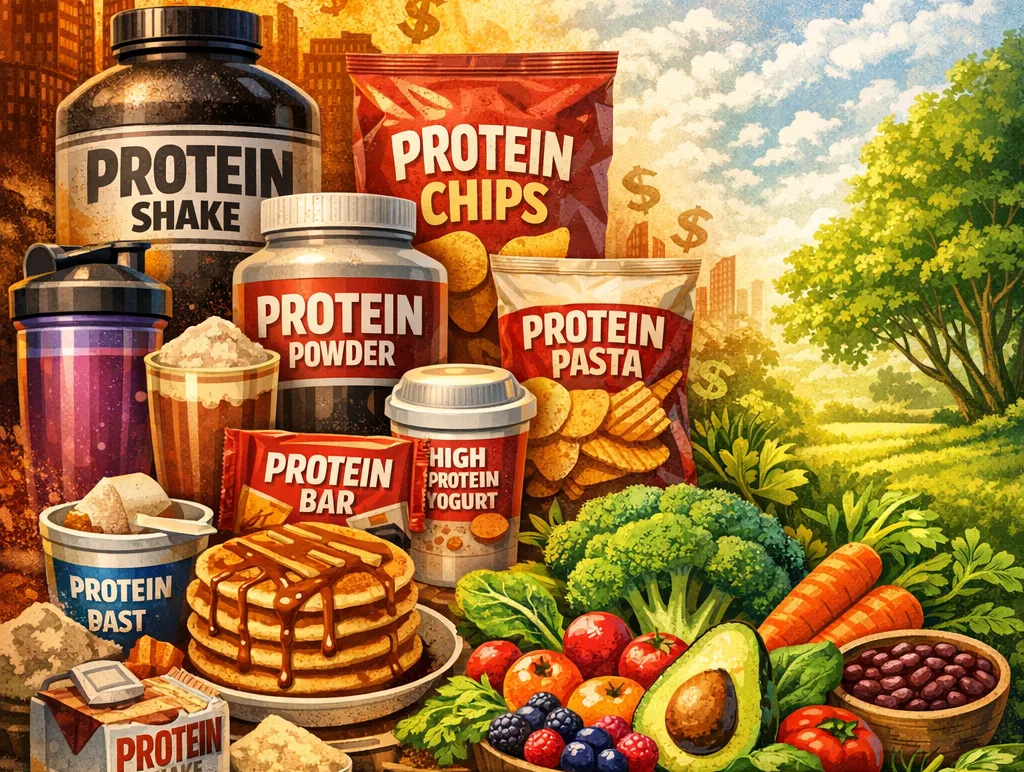
If you’ve gone outside in the last year or two, you’ll have noticed that influencers, restaurants, fast food companies and the food industry at large have decided that we now live in the era of protein. From protein shakes, protein bars and cottage cheese, to protein pasta, protein pancakes, protein seasonings, protein popcorn and protein lattes, the fact of the matter is that no matter where you turn, you cannot escape it.
Marketing campaigns, podcasters and influencers alike have convinced the people of the world that they aren’t getting enough protein in a similar fashion to the early 2000s, when the world was convinced that any form of fat was a product of the devil.
You would think that the world has fallen into a protein deficit, when it may be, in fact, quite the opposite: Experts at Harvard University’s School of Public Health say that we may be eating too much protein.
In previous years, the only people you would find hustling to get their max protein intake were bodybuilders and athletes. It was uncommon to find aisles upon aisles of protein supplemented products like we have today. Now, consumers everywhere are looking for enriched versions of their everyday staples. Experts have noted that, over the last decade, food companies have increased the amount of high-protein products sold across the world by 400%.
This boom in production hasn’t occurred because of some sort of sudden widespread, worldwide protein deficiency, but rather because protein has become something of a cheat code for health, discipline and self-improvement. A higher protein count is marketed as the solution to all of your problems, with the added moral superiority over your peers who still eat the normal stuff. In a world that is becoming increasingly obsessed with gains, protein offers the illusion of control—something measurable, trackable and easy to fix by swapping one product for another.
Social media has also accelerated this shift dramatically. Viral recipes, “what I eat in a day” videos and fitness podcasts reinforce the idea that living your best life means being constantly aware of how many macronutrients you are consuming—or failing to consume. We’re witnessing the world once again diminish complex dietary needs into a single, one-size-fits-all metric while ignoring differences in age, activity level, health status and cultural eating patterns. At the same time, we’re being encouraged to follow uniform consumption habits that conveniently align with corporate profit motives. The sudden push toward high-protein versions of food is less of a response to gaps in nutrition, but rather a reframing of what people are already eating, repackaged and sold back to them at a premium.
While it may be convenient to find protein in different forms in every aisle of the store—especially for those on a vegetarian diet or with specific dietary restrictions—consumers should be aware of how minimal many of these “high-protein” upgrades really are. In some cases, the difference between the original product and its protein-washed counterpart is only a few additional grams per serving, which is sometimes barely enough to register in a daily intake that already meets recommended levels. A protein granola bar might have two or three extra grams compared to a regular one, only offering a little more than a spoonful of added protein isolate.
Despite this, the price difference between the products is anything but small. Protein versions of everyday staples are often significantly more expensive for a smaller product. The premium is justified through buzzwords and bold packaging instead of meaningful nutritional change, turning protein—a substantial dietary benefit—into a market surcharge.
To understand how unnecessary many of these upgrades are, we should look at what our bodies actually need. Experts recommend that adult diets contain at least 0.8 grams of protein per kilogram of body weight per day–approximately seven grams for every 20 pounds. For someone who weighs 140 pounds, that means their goal should be around 50 grams of protein per day.
In reality, most people already meet this requirement through ordinary everyday foods, rather than supplements or specialty products. Protein is abundant in meat, poultry, fish, eggs, dairy, legumes, grains and vegetables. For most people, regular, balanced meals already provide more than enough protein to meet their dietary needs, without the help of shakes, bars or fortified snacks.
This isn’t to say that protein is unimportant, or that you should avoid high-protein diets entirely. In fact, as far as over-eating any macronutrient goes, protein is probably the best one to choose. It increases muscle mass, improves bone density, boosts metabolism and plays a crucial role in supporting the functioning of your cells, organs and tissues. If you want your body to function properly, you need protein.
High-protein diets are great for individuals who take part in strength training or other high-intensity sports, or for individuals trying to lose weight. Protein helps your muscles grow and rebuild, and increases satiety.
According to several studies, high-protein diets can reduce the levels of ghrelin—also known as the “hunger” hormone—produced by endocrine cells in your stomach. Reduced levels of ghrelin mean that your body won’t send as many hunger signals to your brain. Furthermore, emerging research proposes that high-protein diets can also increase the amount of leptin your body produces, decreasing your appetite and increasing your energy expenditure, which is great when you’re trying to lose weight. In short, protein keeps you full longer.
That being said, it should be noted that there are consequences to consuming far more protein than you should. Like anything else, macronutrients should be kept in moderation. High-protein diets are typically healthy, however restrictive versions—such as the carnivore diet, where one cuts out all carbs in favour of protein—can cause constipation, bad breath and increase risk of heart disease, kidney stones and osteoporosis.
While high-protein diets are unlikely to lead to serious health concerns, it’s still important to be aware of where your protein is coming from. Protein sourced from animals can be worse for your health than plant proteins when eaten in excess or exclusively, due to the amount of saturated fat and cholesterol it contains. Plant proteins, alternatively, are healthier, offering more unsaturated fats, antioxidants and fibre, an often overlooked nutrient that is just as important as protein for maintaining long-term health. However, it is important to note that plant proteins are less “complete” proteins, since most don’t have all of the amino acids we need, while animal proteins do. Eating plant proteins exclusively would make it more difficult to get a proper protein intake. So, be sure to eat both plant and animal proteins in a balanced diet, your body will thank you in the long run.
Although protein is currently dominating our lives, it isn’t the only nutrient that matters—and it definitely isn’t the one we’re lacking most. While we focus on how to get the max amount of protein into our daily food intake, and how to make it taste good, a far more basic nutrient is missing from many people’s diets altogether. Fibre, found primarily in plant foods like fruit, vegetables and legumes, rarely gets the same attention, despite the critical role it plays in our long-term health.
Fibre supports digestion, stabilizes blood sugar and can even reduce the risk of chronic heart disease and type 2 diabetes, yet it rarely gets any attention. In fact, it’s almost worryingly overlooked. According to Health Canada, most Canadians are only getting half of the required amount they need in a balanced and nutritious diet.
Lacking fibre in your diet—which many college students do—is strongly linked to a higher risk of colorectal cancer. As colorectal cancer prevalence continues to rise rapidly in younger adults, it’s important to pay close attention to how everyday diet choices can help protect us from preventable, life-threatening illnesses. Consuming more dietary fibre reduces inflammation in the colon and fosters a healthy population of bacteria in your body necessary for nutrient absorption.
Despite these benefits, we hardly see any marketing campaigns revolving around fibre, which highlights a much larger issue: how often we let marketing, packaging and buzzwords dictate what we consider “healthy,” rather than paying attention to actual nutrient content and what we need. Instead of chasing flashy “high-protein” packaging, it’s important that we slow down to read nutrition labels carefully, compare the actual nutrient content and focus on balanced, whole foods. By doing so, you can make informed choices that actually benefit your health, rather than relying on marketing campaigns, influencer hype or the illusion that a single nutrient can solve all your problems. Plus, you can save money you don’t need to spend.

Leave a Reply