
THE UNIVERSITY OF SASKATCHEWAN’S MAIN CAMPUS IS SITUATED ON TREATY 6 TERRITORY AND THE HOMELAND OF THE MÉTIS.
THE UNIVERSITY OF SASKATCHEWAN’S MAIN CAMPUS IS SITUATED ON TREATY 6 TERRITORY AND THE HOMELAND OF THE MÉTIS.
While snowmen and snow forts are built outside this winter, venture inside the Remai Modern for a lesson on the construction of stories.
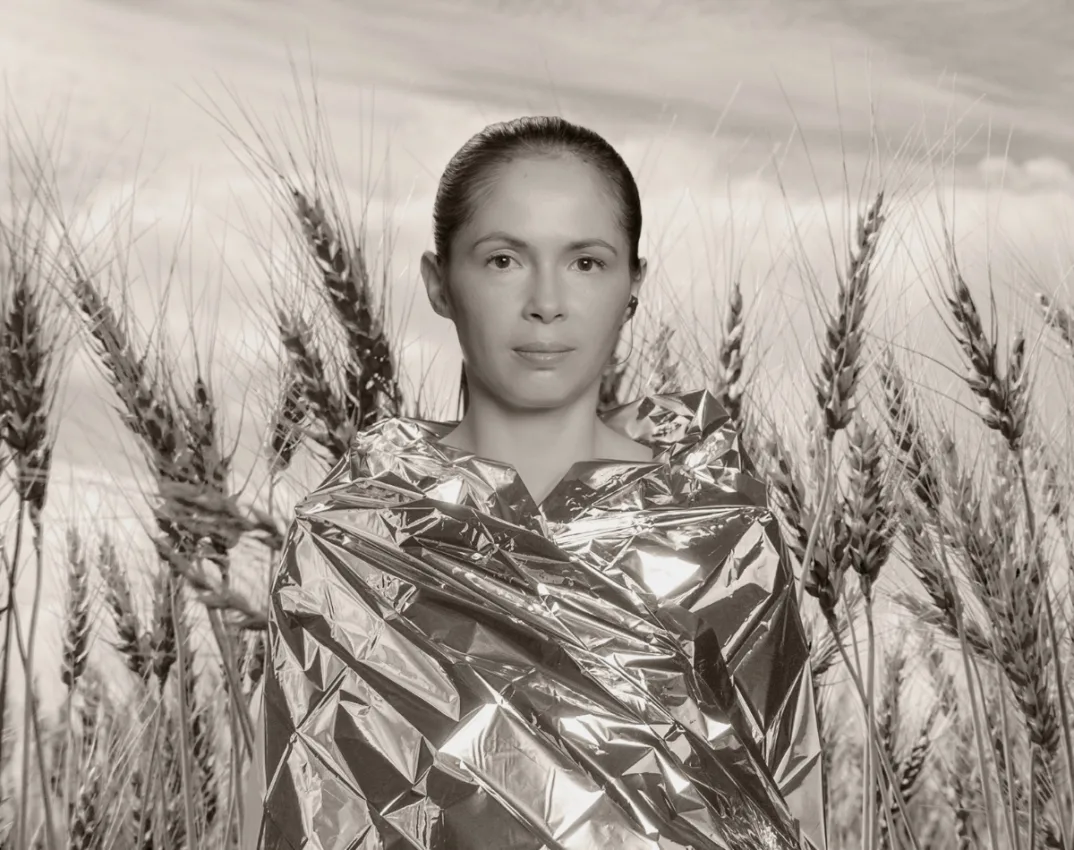
Coming out of the blur of finals season, leaving essays and pomodoro-style study sessions in the not-so-distant past, you might be in search of a brain break. A place and moment of serenity untouched by the overwhelming workload that comes with the privilege of being a university student. If that’s the case, look no further than the Remai Modern’s latest exhibit, Der Kleiekotzer (The Bran Puker), by Althea Thauberger.
Closing Feb. 15, the installation offers solace from the cold and stories embedded in land and labour. The exhibit—which marks Thauberger’s return to her roots in Saskatchewan—is unique in how it blends media and materials, presenting an experimental nonfiction video (the result of three years of research) alongside photography and physical objects.
The title Der Kleiekotzer (The Bran Puker) is derived from objects from the Upper Rhine region of Germany, that used to function as spouts on flour mills. The reference links directly to the settler histories of Thauberger’s ancestors, tying the exhibition to broader narratives about settlement, agriculture and migration.
The installation centres around Thauberger’s video, a compilation of clips pulled from interviews, archival research and site documentation that unfolds at a slow, steady pace, allowing viewers to absorb details instead of rushing through them. The film’s focus on landscapes, farmland, tools and domestic environments all underscore the exhibition’s themes of the physical realities of settlement. The tone of the video is observational, showing the routine and sometimes harsh intersection of labour and survival, allowing the viewer to draw their own conclusions rather than being guided towards a specific narrative.
The physical materials in the exhibit reinforce the themes of the video. Wheat appears as a motif throughout the work, a familiar symbol of the prairies and a tangible representation of agricultural histories. Replica artifacts connected to Black Sea German settler communities, from which Thauberger’s ancestors descend, offer a personal layer of context, physically connecting the art and artist. These objects include versions of tools and components that were once used in flour mills, including the “bran puker”. These items highlight the movement of communities and their technology across continents, showing how cultural practices, food systems and farming tools were transported and transformed through migration.
Despite this connection, the items don’t seem to be presented as nostalgic heirlooms—they function as points of reference. They invite the audience to engage in conversations around settlement, land use and displacement. Thauberger creates a juxtaposition through her deliberate placement of these tools within the contemporary space of the gallery, allowing visitors to consider how they shaped the Prairies—and in turn, the very land the museum is placed upon—into the reality we exist within today.
Thauberger’s approach to Der Kleiekotzer was grounded in research and collaboration. Often, her work examines representation, power and the relationships between people and the structures around them. Instead of grand historical events, she prefers to highlight the everyday lives of individuals and their communities, encouraging her audience to think about how larger systems shape personal experiences. With her latest work, she brings this method home, using her personal family history as a lens to explore broader questions about the cultural inheritance of the Prairies.
The atmosphere of the installation itself is calm and spacious, allowing the viewer to absorb each detail at their own pace, without relying heavily on accompanying text to provide them insight or exact explanations for each piece.
What makes this exhibit particularly engaging is its balance of accessibility and depth. Each material is easy to understand individually, but the ideas that connect them to a broader message open up much larger, nuanced conversations. It’s an entry point to discussions about the construction of identity through human movement as well as the relationship between person and place.
By choosing objects tied to seemingly mundane domestic work and everyday labour, Thauberger highlights forms of history that usually remain in the background. For students who want to get ahead and sharpen their analytical skills and critical thinking before delving into the depths of the winter term, this exhibit is especially relevant. Take the time to indulge in every detail, notice the reinforcement of common motifs and themes and appreciate the subtle details that might otherwise be overlooked.
In visiting the exhibit, you’re engaging in more than just a passive art viewing. The combination of video elements, tangible materials and historical references encourages engagement with the physical realities and stories of migration and land use, urging the audience to consider how agriculture, geography and human lives intersect. Through this blending of documentary, material culture and personal history, Der Kleiekotzer invites reflection on how past settler dynamics shape present landscapes and identities.
Der Kleiekotzer ultimately invites you to think about how our home in the Prairies came to look the way it does, and how everyday materials hold stories that won’t be realized until future reflection. It’s unpretentious and undemanding, with no barriers for entry. You don’t need a deep understanding of Saskatchewan’s history or prior art knowledge to enjoy the exhibit. Instead, it sets out pieces of a larger narrative and gives you the space to consider how they fit together.
If you’re looking for a shift in perspective in the new year, consider visiting the Remai sometime before Feb. 15 for a thoughtful and grounding experience that connects personal history, regional identity and the physical land just outside the museum doors.

Leave a Reply