
THE UNIVERSITY OF SASKATCHEWAN’S MAIN CAMPUS IS SITUATED ON TREATY 6 TERRITORY AND THE HOMELAND OF THE MÉTIS.
THE UNIVERSITY OF SASKATCHEWAN’S MAIN CAMPUS IS SITUATED ON TREATY 6 TERRITORY AND THE HOMELAND OF THE MÉTIS.
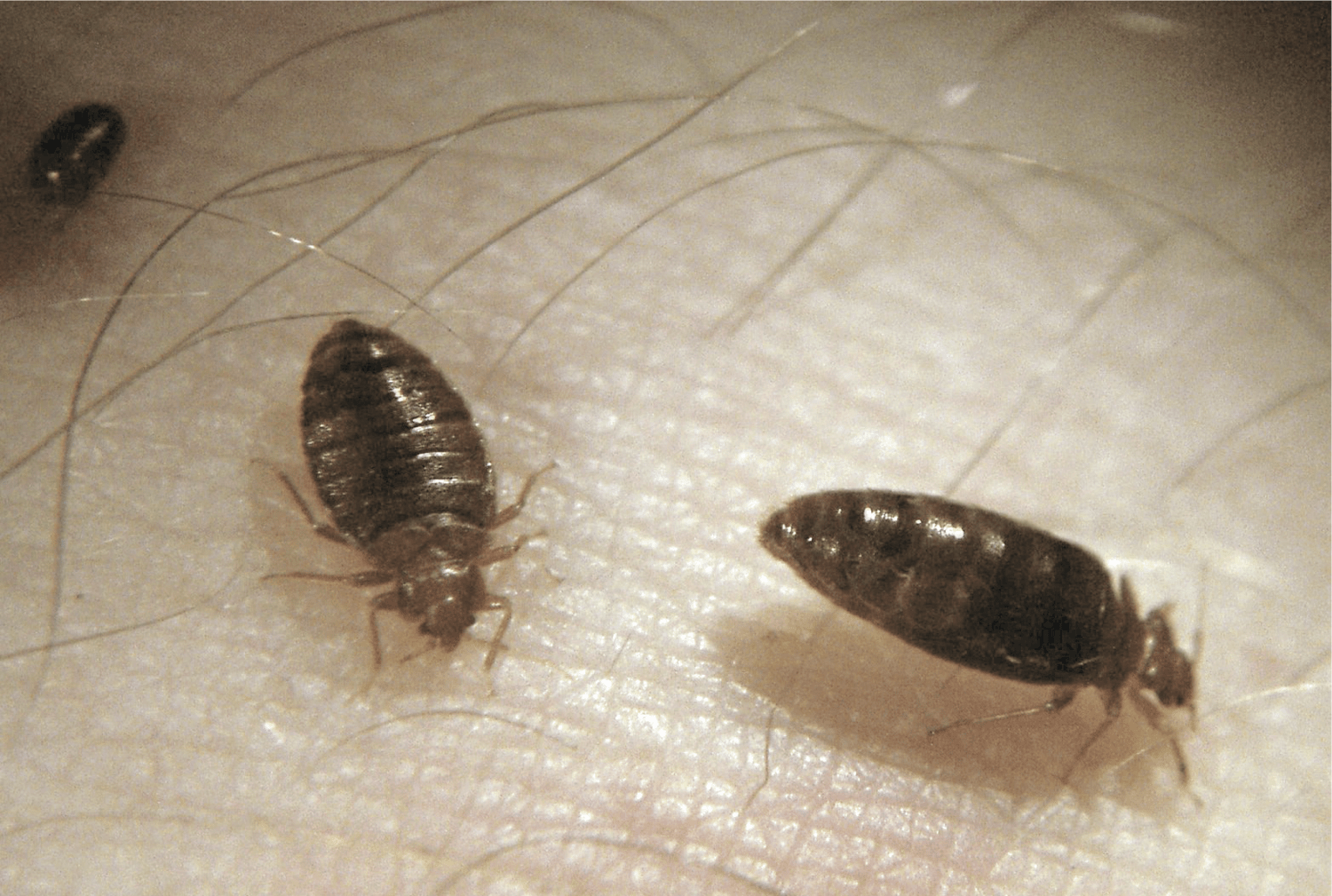
Bed bugs after they have feasted: red, plump and full of blood.
Students and library users may be unknowingly bringing bed bugs into the University of Saskatchewan’s libraries.
A bed bug was recently spotted in the university’s Natural Sciences Library. On Campus News reported that this was the first case of a bed bug in a library in five years. There was a false alarm in the Murray Library earlier this year when a bath bug was mistaken for a bed bug.
However, Library Director of Finance and Physical Resources Dale Amerud maintains that there are no known bed bugs in the Murray Library.
“To the best of our knowledge we don’t have any in the library at this point,” he said.
The flat, oval-shaped insects are about four or five millimeters in diameter. Bed bugs are usually brown but change to a rusty red after feeding on animal or human blood.
Mattresses, furniture and carpet — wherever they can fit — are common places where bed bugs live. They are attracted to body heat given off by sleeping humans. Bed bug bites are small, red and resemble mosquito and flea bites.
Bed bugs are not uncommon in libraries since books, library shelves and cloth-covered furniture are perfect places for the insects to hide. Saskatoon Public Library has assembled a task force to protect its branches from bed bugs.
Amerud says that the campus libraries are being closely monitored for bed bugs, and urges students to report a bug immediately to prevent a full infestation.
“We are monitoring the situation to make sure that if any are found we can deal with it right away.”
The older residences in McEown Park have been dealing with bed bug infestations for years and now the pests have moved into the Natural Sciences Library — and most likely other libraries on campus.
“They are travellers,” Amerud said. “They travel and then they drop off and if they like where they are living, they’ll stay.”
Residence Operations Manager Lucille McInnes wrote to the Sheaf that the residence office has finalized a plan to eradicate bed bugs from residence this summer. However, eradicating bed bugs from the residences will be difficult if students continue to bring them from the university’s libraries.
Bed bugs are incredibly resilient: they can last anywhere from 30 to 550 days without feeding. The two common ways to exterminate the pest are by heat and chemical treatments. Bed bugs die at 45 C, but the eggs can survive up to 55 C. Often the chemical process needs multiple treatments to be effective.
“It’s a lot of work to get rid of them; that’s the problem,” Andrea Smida, biosafety manager for Facilities and Management Division, told On Campus News.
“You have to make sure the area is prepped properly. If it isn’t, the treatment won’t be successful.”
—
Photo: armedforcespestmanagmentboard/flickr

Leave a Reply