
THE UNIVERSITY OF SASKATCHEWAN’S MAIN CAMPUS IS SITUATED ON TREATY 6 TERRITORY AND THE HOMELAND OF THE MÉTIS.
THE UNIVERSITY OF SASKATCHEWAN’S MAIN CAMPUS IS SITUATED ON TREATY 6 TERRITORY AND THE HOMELAND OF THE MÉTIS.
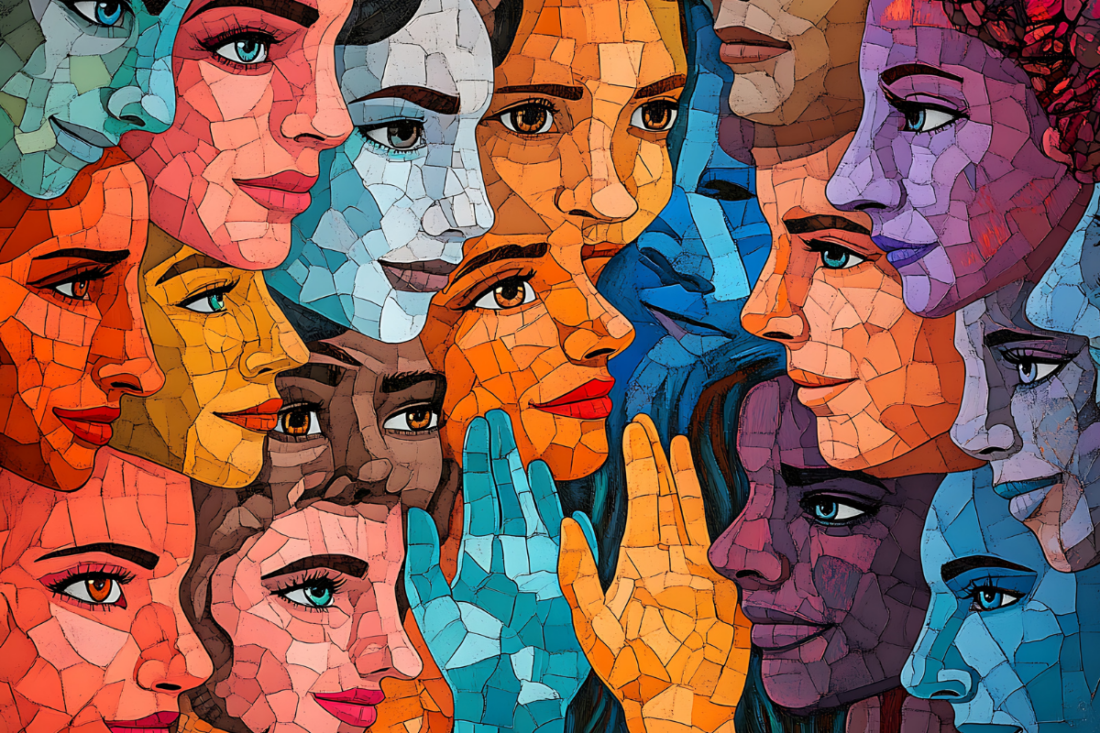
Analyzing representation in modern media and its importance.
In a world that is increasingly becoming more reliant on technology, media serves as one of the most powerful tools for shaping perceptions, reinforcing cultural norms and influencing individual identity. From film and television to social media and advertising, the stories we consume fundamentally play a role in how we understand ourselves and others.
Representation in the media is not simply a matter of fairness or visibility. It is a fundamental component of social development, psychological well-being and cultural progress. Especially in the inclusion of diverse identities across race, gender, sexuality, ability and culture.
When people are depicted on screen, they feel a sense of belonging and having their community seen. The majority of people, when asked, can come up with a character or a film that they really relate to. But, for many individuals who are part of one or several marginalized groups, this may not be the case.
In the media, there are some groups of people who are fundamentally underrepresented or discarded. The effects that this has on the members within these groups of people are profound.
One of the most significant reasons representation matters lies in its influence on identity formation and self-perception. According to the social identity theory, individuals derive a sense of self from the groups to which they belong. When people see themselves accurately and positively reflected in the media, it can reinforce a sense of belonging and self-worth.
Conversely, a lack of representation, or worse, negative or stereotypical portrayals, can lead to feelings of invisibility or inferiority. This is particularly impactful for children and adolescents, whose identities are still developing.
The media does not merely reflect reality; it helps construct it. Sociologists often describe media as a “socializing agent,” meaning it teaches audiences about norms, values and acceptable behaviours. When certain groups are underrepresented or misrepresented, audiences may internalize biased or incomplete understandings of those groups.
This phenomenon is supported by cultivation theory, developed by George Gerbner, which posits that long-term exposure to media content can shape viewers’ perceptions of reality. For instance, if the media consistently portrays certain racial or ethnic groups in criminal roles, audiences may begin to associate those groups with criminality in real life. This creates a false narrative and perpetuates stereotypes, especially in children who derive much of their views about people and the world in general from their family as well as the media that they consume.
Similarly, gender representation in media has historically reinforced rigid stereotypes, depicting women as passive and overly emotional and men as dominant and unemotional. These portrayals can influence everything from career aspirations to interpersonal relationships.
Representation is not solely about inclusion; it is about authenticity. Tokenism, or the superficial inclusion of marginalized characters without depth or complexity, can be just as harmful as exclusion. Authentic representation requires that stories be told with nuance, cultural sensitivity and input from the communities being depicted.
Organizations like the Geena Davis Institute on Gender in Media have conducted extensive research demonstrating the disparities in media representation. Their findings show that women, people of colour and individuals with disabilities remain significantly underrepresented in film and television.
Moreover, when marginalized individuals are given the opportunity to tell their own stories, whether as writers, directors or producers, the result is often a more accurate and meaningful representation. This shift not only improves the quality of storytelling but also challenges dominant narratives that have historically excluded diverse voices.
One of the most powerful functions of representation is its ability to challenge stereotypes and foster empathy. When audiences are exposed to stories that humanize individuals from different backgrounds, it can reduce prejudice and promote understanding.
For example, the portrayal of individuals with disabilities in complex, multidimensional roles can challenge assumptions about their capabilities and experiences.
A report by the Pew Research Center indicates that exposure to diverse media content is associated with more inclusive attitudes toward marginalized groups. This suggests that representation is not only beneficial for those being represented but also for society as a whole.
This inclusion is not only important for visibility but also for employment equity for the actors and members of these groups. It’s important to have individuals who represent these groups both in the writing room for movies and shows, in addition to on the screen.
It’s also extremely important to point out that many people identify with more than one historically marginalized or underrepresented group, particularly when gender is added to the equation.
Legal scholar Kimberlé Williams Crenshaw coined the term “intersectionality” to conceptualize the way that different identity markers, such as race, gender, sexuality and class, interact and affect each other.
Media can also be a powerful tool for shaping and changing societal norms, being a voice for change and visibility. Stories that are told, as well as those which are omitted from the narrative, help to shape the view of what is considered as being “normal” to the rest of the world.
By having more people depicted in books and shows, these authors and directors are not only providing an inclusive environment where people can feel comfortable and seen, but directly calling for societal change and inclusion. These creations are really a part of a larger initiative to push for inclusion, not just online and within media, but in the world in general.
When asked about how representation in media affects real-life perceptions of certain groups, third year sociology major and business graduate Felix Crawford explained that surface level depictions aren’t enough, “We need diverse people in the news, critically acclaimed performers, successful people in all kinds of industries. It isn’t enough for a reporter or script writer to throw a drug user, an amputee, a Haitian person or transgender woman into the background of a story. These characters need intentionality and depth, because these demographics have depth in the real world.”
“Everyone is sick of the same stories and stereotypes the media has pushed for years. Find something that subverts expectations made by the media that so desperately wants to see everyone adhere to the same boxes. Let representative individuals or characters be more than their diversity.” He said.
When critiquing, creating or even just casually viewing media, we should consider not just whether individual characters are stereotyped but if a broad range of diversity, including intersecting identities, is represented. Media is not simply a tool for entertainment, but rather a greater picture for the stories of individuals to be seen and heard. But it’s equally important to make sure that the struggles that these people face in real life aren’t the characters only focus.
“It’s great to show diverse folks have more going on than their identity. This way, the marginalized identity is shown to the public as more than just the trials they face. Show a disabled person who’s worried about getting into graduate school, or a person with an intellectual disability who’s coping with the mystery of her daughter’s disappearance. Show Joy too. Why can’t an indigenous person be friendly and happy? Why can’t a queer couple go on a perfectly good date? Diverse joy is resistance against the dominant narrative.” Crawford said.
It’s critical that we view and support media that portrays individuals from marginalized groups as well as displays intersectionality, because ultimately, representation is not merely about visibility. It’s about equity, understanding and the power to shape a more inclusive society.
Leave a Reply